
Buy Diamond Watchman Goby in Canada: A Practical Buyer’s and Care Guide
If you’re looking to buy a Diamond Watchman Goby in Canada, you’re choosing one of the most useful and peaceful sand-sifting fish available to marine aquarists. Known scientifically as Valenciennea puellaris and often called the Orange Spotted Goby or Maiden Goby, this small bottom-dweller earns its keep by keeping your substrate clean and aerated. This guide explains what the fish needs, how to choose a healthy specimen, and how to source one responsibly through a Canadian aquarium retailer.
What Is a Diamond Watchman Goby?
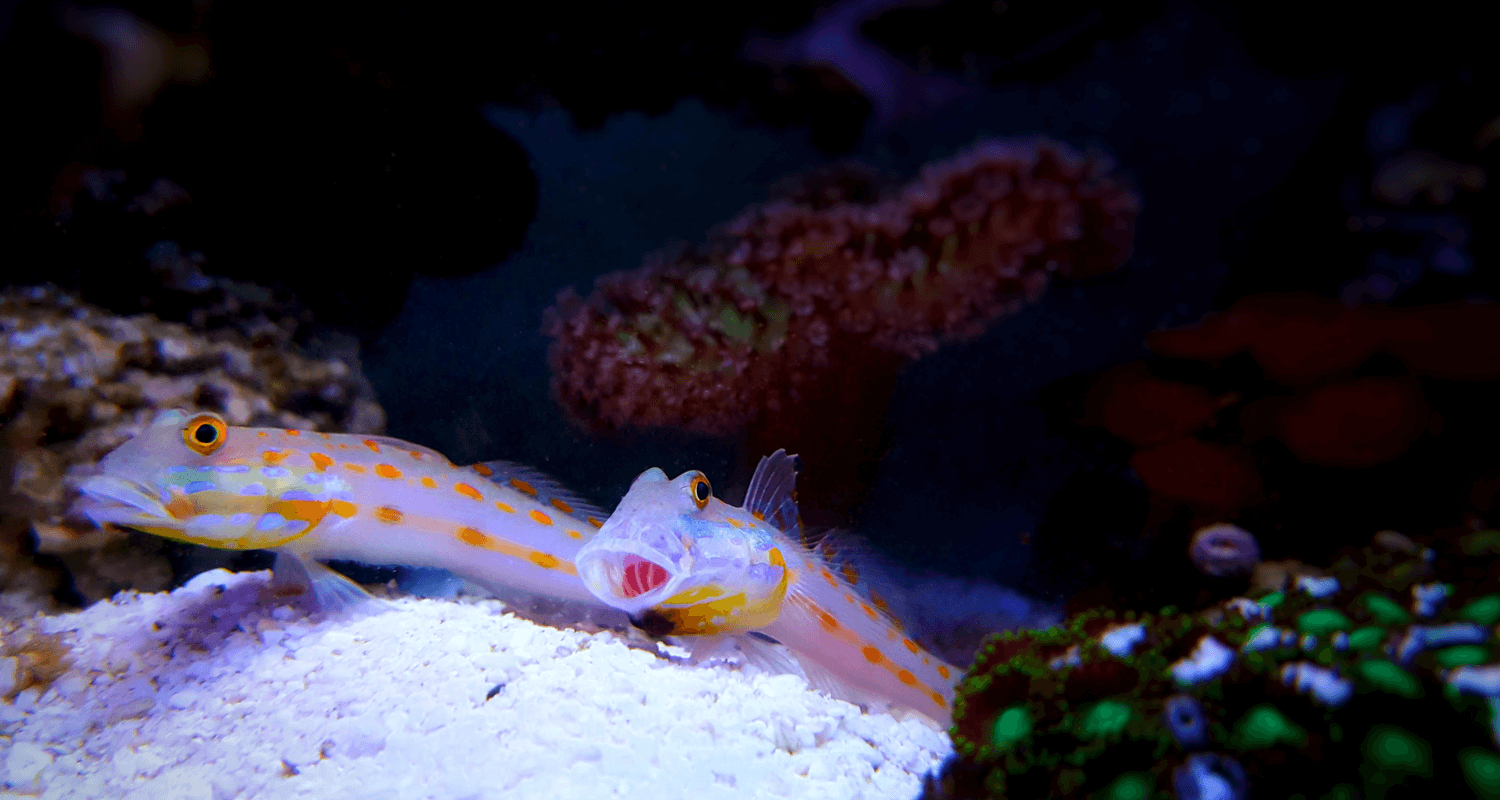
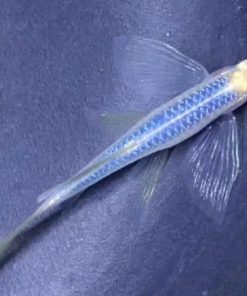
The Diamond Watchman Goby is a small reef-associated fish from the Indo-Pacific, recognized by its pale body covered in orange-white spots and a series of short dark dashes along its flanks. It typically reaches around 10–13 cm (4–5 inches) in home aquariums and is considered reef-safe with most corals and invertebrates.
Its defining behavior is sifting. The goby scoops mouthfuls of sand, filters out edible material, and expels clean sand through its gills. This helps prevent detritus buildup and keeps the sandbed biologically active.
Why Canadian Hobbyists Choose This Goby
Few fish combine utility and calm temperament as well as this species. Unlike aggressive sand sifters, the Diamond Watchman Goby largely ignores other fish, making it a good fit for community reef setups. It also adds constant, gentle activity near the substrate that many aquarists find relaxing to watch.
For anyone setting up an indoor aquarium in Canada, a sand-sifting goby is a practical addition once the tank has matured. It rewards keepers who plan their substrate and tankmates thoughtfully rather than impulse buyers.
Diamond Watchman Goby Care Requirements
Meeting a few core requirements dramatically improves this fish’s chances of thriving. Plan these before you buy.
Tank Size and Substrate
A tank of at least 30 gallons (about 115 litres) is a sensible minimum, though larger is better for a stable sandbed. Use a fine, soft sand rather than coarse gravel or crushed coral, which can damage the goby’s mouth and gills as it sifts. A sandbed depth of roughly 5–8 cm gives it room to work.
Diet and Feeding
Wild gobies sift for tiny invertebrates, but captive specimens rarely get enough from sand alone. Offer meaty foods such as mysis shrimp, brine shrimp, and chopped seafood, plus sinking pellets formulated for carnivores. Feed small amounts more than once a day and watch that the goby is actually eating, since depleted sandbeds can leave these fish underfed.
Tankmates and Reef Compatibility
The Diamond Watchman Goby is peaceful and safe with most corals, snails, and shrimp. Avoid large, boisterous fish that may bully it away from food, and be cautious with other sand-sifting gobies, which can compete directly for the same niche. One per tank is the safest approach unless your system is large and well-established.
Water Parameters and Stability
Aim for stable marine conditions: specific gravity around 1.023–1.025, temperature near 24–26°C, and consistent salinity and alkalinity. This goby is not unusually delicate, but like all marine fish it stresses under fluctuating water chemistry. Quarantine new arrivals where possible to limit disease risk.
How to Buy a Healthy Diamond Watchman Goby in Canada
Buying livestock online requires more care than buying equipment. Focus on the fish’s condition and the seller’s practices rather than the lowest price.
Signs of a Healthy Specimen
Look for a goby that is active near the substrate, has a rounded belly, clear eyes, intact fins, and steady breathing. Avoid fish that are listless, thin, gasping at the surface, or showing white spots, patches, or clamped fins. Ask whether the fish is eating prepared foods, since a feeding goby is far easier to acclimatize.
Buying Online vs. in Store
Shipping live fish is routine for reputable Canadian sellers, but transit time and temperature matter, especially in winter. Confirm the seller’s packing methods, heat or cold packs, live-arrival policy, and shipping windows. A local pickup option is ideal if one is available. If you’re new to the process, it helps to learn how to buy fish for an aquarium safely before ordering livestock online.
Acclimation Tips
Once your goby arrives, float the bag to equalize temperature, then drip-acclimate or add tank water gradually over 30–45 minutes. Release it gently near the substrate and dim the lights for the first day. Expect the fish to hide briefly while it settles; offer food within 24 hours and monitor its appetite.
Setting Up the Right System First
The goby is only one part of a healthy marine tank. If you’re still assembling equipment, compare fish tanks available in Canada with reef-ready designs that suit a sandbed and a protein skimmer. Many hobbyists also buy fish tanks online for convenience, but confirm dimensions, delivery terms, and whether the setup suits marine rather than freshwater use.
Beyond the tank, budget for a quality test kit, marine salt mix, a reliable heater, and flow. Good husbandry prevents the water-quality swings that cause most beginner losses. If you plan a mixed or predator community, research monster fish options for Canadian aquariums separately, since large predatory species generally don’t pair well with a small, slow goby.
Sourcing Aquarium Supplies and Livestock in Canada
Canadian buyers face a few practical considerations: cross-border shipping restrictions, colder transit temperatures, and varying stock availability. Buying from established aquarium product suppliers in Canada reduces these risks and often comes with local support and clearer guarantees. Check stock status, quarantine practices, and reviews before committing.
For a broader picture of marine biodiversity and species naming, the World Register of Marine Species and FishBase are credible reference sources for verifying scientific details. For general fish care guidance, Wikipedia’s overview of gobies offers a useful starting point.
Common Mistakes to Avoid
The most frequent error is adding a sand sifter to a sterile or new tank with nothing to eat in the substrate. The second is using rough gravel, which injures the fish. A third is skipping quarantine and introducing disease to an established system.
Other avoidable missteps include overstocking with competing sifters, underfeeding because the goby “looks like it’s eating from the sand,” and buying on impulse before confirming tank size and salinity stability.
Frequently Asked Questions
Is the Diamond Watchman Goby reef-safe?
Yes. It generally ignores corals and most invertebrates, making it a safe addition to reef tanks with a suitable sandbed.
What size tank does it need?
A minimum of around 30 gallons is workable, but larger, mature systems with a deep sandbed suit it better and support steadier water quality.
Will it really clean my sand?
It sifts sand continuously and helps aerate the substrate, but it is not a substitute for regular maintenance, water changes, or a proper clean-up crew.
Can I keep two in one tank?
Usually not recommended unless your aquarium is large and provides ample space and food, since they can compete and become territorial.
Is it hard to feed?
Not if you offer meaty foods and ensure a seeded, mature sandbed. Feeding a varied diet is the key to keeping it plump and healthy.
Where can I buy one in Canada?
Look for established Canadian marine retailers with quarantine practices and clear live-arrival policies, and confirm shipping works safely for your region and season.
Be the first to review “Buy Diamond watchman goby Canada”
Related products
Newest Products
Newest Products


Newest Products


Newest Products
Newest Products
Newest Products
Newest Products
Newest Products
Reviews
There are no reviews yet.