
Buy Valenciennea helsdingenii (Twostripe Goby): A Canadian Reef Keeper’s Guide
If you’re looking to buy Valenciennea helsdingenii, the twostripe goby, you’re considering one of the more useful sand-sifting fish available to marine aquarists. This Indo-Pacific species is prized less for flashy colour than for the work it does: turning over substrate, sifting sand, and helping keep a reef tank’s bed oxygenated and clean. In Canada, where livestock sourcing and shipping logistics differ from the United States, buying this goby takes a little planning.
This guide covers what Valenciennea helsdingenii needs, its quirks, and how Canadian hobbyists can source one responsibly. Whether you’re upgrading to a larger reef or setting up your first indoor aquarium in Canada, here’s what to know before you buy.
What Is the Twostripe Goby (Valenciennea helsdingenii)?
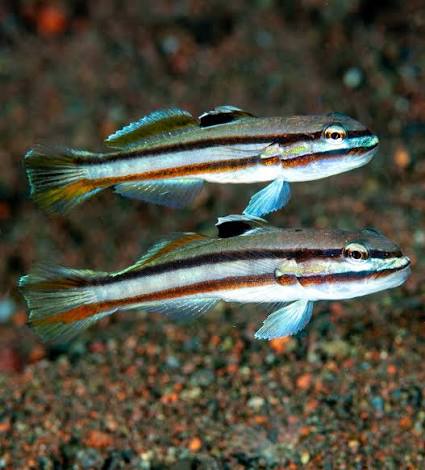
Valenciennea helsdingenii is a bottom-dwelling goby in the family Gobiidae. It’s recognisable by two dark longitudinal stripes running the length of a pale, elongated body, with a slightly pointed snout. Wild specimens typically reach around 15 to 20 cm, making them one of the larger Valenciennea gobies. That adult size matters when planning tank dimensions.
Like its relatives, this species is a dedicated sand sifter. It takes mouthfuls of substrate, filters out edible material, and expels clean sand through its gills. That behaviour is its main appeal and also the source of its care challenges.
Twostripe Goby vs. Other Sand-Sifting Gobies
The twostripe is closely related to the more common orange-spotted and diamond gobies. It’s generally larger and tends to be more robust, but it shares the same core demands: a mature sand bed, a peaceful setting, and the right tankmates. Hobbyists sometimes mix up V. helsdingenii with the similarly striped V. strigata, so confirm the species before you buy.
Twostripe Goby Care Requirements
This is not a beginner fish. It does best in an established marine aquarium with a deep, fine sand bed and plenty of open swimming space near the bottom.
Tank Size and Substrate
Plan for a tank of roughly 200 litres or more; larger is better given the adult size and activity level. A fine-grade aragonite or sugar-sand substrate, ideally deep enough to sift comfortably, is essential. Coarse gravel or bare-bottom setups deprive the fish of its natural feeding behaviour and often lead to decline. If you’re outfitting a new system, compare options where you buy fish tanks in Canada to find one with adequate footprint rather than just height.
Diet and Feeding
In the wild, twostripe gobies feed by sifting the sand for small invertebrates. In captivity, they rarely accept prepared foods readily, and many starve in tanks with a sterile or shallow sand bed. A mature bed with a healthy population of microfauna helps enormously. Supplement with frozen mysis, brine shrimp, and other meaty foods, and observe closely during the first few weeks. Feeding twice daily improves the odds of acclimation.
Temperament and Tankmates
The twostripe is generally peaceful toward unrelated fish but can be territorial with its own kind. House only one per tank unless the system is very large. Avoid aggressive tankmates that would outcompete it at feeding time. It’s a good fit for community reef setups with peaceful fish and invertebrates, though it may inadvertently disturb small corals or frags placed on the sand.
Note that it can jump, so a tight-fitting lid or screen is strongly recommended.
Sourcing a Twostripe Goby in Canada
Availability varies, so it pays to understand your options before committing.
Buying From a Local Fish Store
Many Canadian reefers prefer to see a goby in person before purchase. Ask the store how long the fish has been in their system, whether it’s actively sifting sand, and what it’s eating. A twostripe that’s been feeding well for a couple of weeks is a far safer buy than a freshly landed one.
Buying Online and Shipping Considerations
Buying livestock online is common in Canada, but cold-weather shipping is a real risk. Order during milder months or confirm that the seller uses heat packs and overnight couriers. Reputable sellers provide clear arrival guarantees. If you’re also sourcing equipment, buy aquarium products in Canada from suppliers that understand local shipping conditions.
Quarantine Is Not Optional
Set up a quarantine tank before introducing any new fish. A simple observation tank with a sponge filter, heater, and a shallow dish of sand lets you monitor feeding and screen for disease. Twostripe gobies are prone to ich and internal parasites, so a four-week quarantine is wise. If you keep larger, more boisterous species, keep that isolation practice separate—buy monster fish in Canada only from sources that follow similar biosecurity standards, and never mix new arrivals directly into a display system.
Setting Up for Success: The Broader System
The twostripe goby’s health depends on the whole aquarium, not just the fish. That means stable parameters, good filtration, and a sand bed with living biodiversity. Avoid disturbing the substrate too aggressively; gentle siphoning or occasional stirring preserves the microfauna the goby relies on.
Consider adding the goby to a tank that’s been running for at least a few months. A mature system provides the micro-life and stability that new setups lack. Patience here is the difference between a goby that thrives for years and one that fades in weeks.
Common Mistakes to Avoid
- Adding one to a bare-bottom or gravel tank. The fish cannot feed naturally and often declines.
- Buying an unquarantined specimen. Disease risk in newly imported gobies is significant.
- Skipping the lid. These fish jump, especially when startled.
- Overstocking sand sifters. Multiple gobies compete for the same limited food.
- Rushing the introduction. A slow drip acclimation reduces stress and improves outcomes.
Frequently Asked Questions
Is the twostripe goby suitable for beginners?
It’s better suited to hobbyists with some marine experience. Its specialised feeding on sand-bed microfauna makes it harder to keep than many hardy beginner species.
How big does Valenciennea helsdingenii get?
Wild specimens typically reach around 15 to 20 cm, so plan for a tank with a generous footprint and a deep sand bed.
Will it eat prepared food?
Many individuals are slow to accept prepared foods. Frozen mysis and brine shrimp help, but a mature sand bed is the most reliable food source.
Are twostripe gobies reef safe?
Yes, largely. They’re peaceful and generally ignore corals, though they may disturb small frags resting on the substrate.
How many can I keep in one tank?
One per system is the safe rule unless the aquarium is unusually large, since they can be territorial with their own kind.
Can I buy one in Canada during winter?
It’s possible, but shipping stress increases in cold weather. Confirm heat-pack use and overnight delivery, or wait for milder temperatures.
Be the first to review “Buy Valenciennea helsdingenii (twostripe goby)”
Related products
Newest Products
Newest Products
Newest Products
Newest Products
Newest Products
Newest Products
Newest Products

Newest Products
Reviews
There are no reviews yet.