
Buy Zoanthid Coral Solar Eclipse in Canada: A Practical Buyer’s Guide
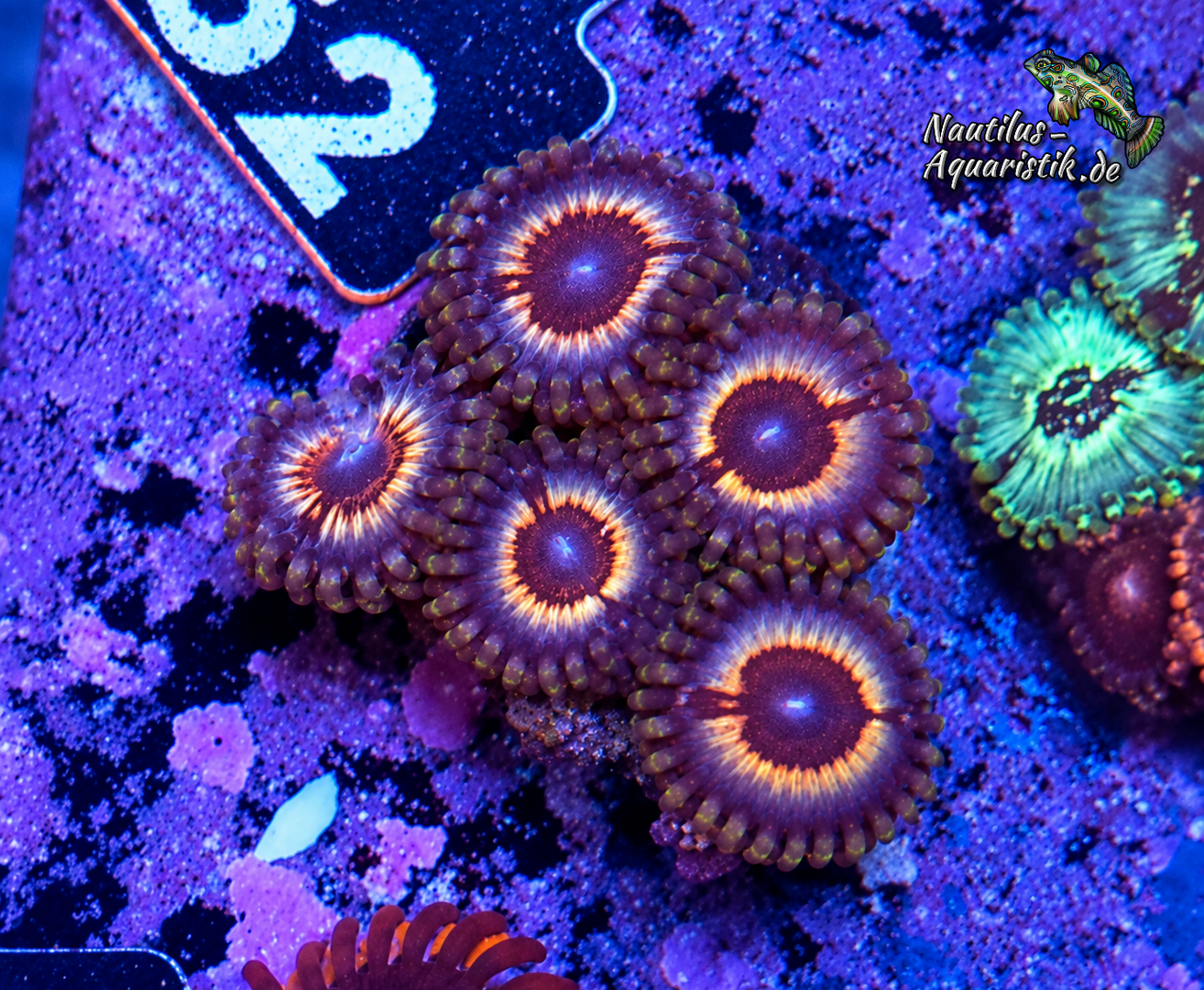
If you want to buy Zoanthid Coral Solar Eclipse in Canada, you’re chasing one of the most striking color morphs in the reef-keeping hobby. The Solar Eclipse zoanthid is prized for its deep, darkened oral disc surrounded by bright, contrasting skirts—a look that genuinely resembles a corona around a shadow. This guide explains what the coral is, how to source it responsibly in Canada, how to care for it, and what to watch for before you spend money on a frag.
Because live coral shipping is trickier here than in warmer markets, Canadian reefers need to think carefully about suppliers, timing, and acclimation. Whether you’re setting up your first reef or expanding a mature system, understanding the coral’s needs upfront saves you money and stress. For broader equipment and livestock guidance, the Canadian aquarist resource library is a sensible starting point.
What Is the Solar Eclipse Zoanthid Coral?
Zoanthids (often called “zoas”) are colonial soft corals made up of individual polyps joined at a common base. The Solar Eclipse morph is a named color variant within this group, bred and traded for its distinctive dark center and vivid surrounding rim. Each polyp is small—typically under a centimeter across—but colonies grow into eye-catching clusters.
The “Solar Eclipse” name is a hobbyist label rather than a scientific species designation. That matters: color morphs are marketing terms, and different sellers sometimes apply the same name to slightly different-looking specimens. Always judge coral by the actual photo of the exact frag you’ll receive, not just a label.
Why This Morph Is Popular
Reefers gravitate toward Solar Eclipse zoas for a few practical reasons:
- Visual contrast: The dark disc and bright skirt create a bold focal point.
- Manageable size: Small frags suit nano and mid-sized reefs.
- Hardiness (with caveats): Zoanthids are generally adaptable once settled, though this varies by specimen and husbandry.
Colony growth means a single frag can develop into a showpiece over months, which appeals to patient hobbyists.
Sourcing Zoanthid Coral in Canada
Buying coral in Canada involves live-animal shipping regulations, seasonal temperatures, and supplier reputation. A trustworthy seller provides clear photos, health details, and shipping guarantees. Avoid sellers who won’t show the exact frag, use obviously staged stock images, or dodge questions about pest history.
Buying Online vs. Local Reef Stores
Many Canadians now prefer to buy aquarium products in Canada online for convenience and selection, and coral has followed the same trend. Online vendors often carry rarer morphs like Solar Eclipse that local shops don’t stock. Local stores, however, let you inspect coral in person and avoid shipping stress.
A balanced approach works well: check local reef shops first, then supplement with reputable online vendors when you want a specific morph. If you’re building out the tank itself, options to buy fish tanks online or source a suitable indoor aquarium in Canada give you a foundation before livestock arrives.
Shipping and Seasonal Timing
Live coral shipping is sensitive to Canadian winters. Ask whether the vendor uses insulated boxes, heat or cold packs, and holds shipments during extreme weather. Request a shipping guarantee and confirm the delivery window so someone is home when the box arrives. Avoid ordering during forecast deep freezes or heat waves.
Care Requirements for Solar Eclipse Zoanthids
Zoanthids are not demanding, but “easy” doesn’t mean “ignore it.” Stable water parameters and moderate conditions keep them thriving.
Lighting and Flow
Solar Eclipse zoas generally do well under moderate lighting—enough for color without bleaching. Start new frags lower in the tank and raise them gradually. Moderate, indirect flow keeps polyps open and clean without blasting them. Too much direct current can keep polyps closed and stressed.
Water Parameters
Aim for stable, reef-standard conditions rather than chasing exact numbers:
- Temperature: around 24–26°C (75–79°F)
- Salinity: roughly 1.024–1.026 specific gravity
- Alkalinity, calcium, and magnesium: stable reef levels, tested regularly
- Nutrients: low but not zero; zoas appreciate trace nutrients
Consistency matters more than perfection. Sudden swings cause more problems than slightly “off” readings.
Placement and Spacing
Zoanthids spread across rockwork, so give them room or isolate them on a separate rock island if you want to control their territory. Keep them away from aggressive neighbors, and remember that some zoas can overgrow nearby corals over time.
Feeding and Growth
Zoanthids get much of their energy from their symbiotic algae (zooxanthellae) under good lighting, but they also capture fine foods. Occasional feeding of small particulate foods or reef-specific coral food supports growth. Don’t overfeed—excess food fouls water and fuels nuisance algae.
Growth is gradual. Expect a small frag to take weeks to settle and months to spread meaningfully. Patience and stable parameters are the real accelerators.
Pests, Safety, and Responsible Handling
Two things deserve emphasis for anyone buying zoanthids.
First, pests. Watch for nuisance organisms like zoanthid-eating nudibranchs, sundial snails, and aiptasia. Quarantine or dip new frags using a coral dip following the manufacturer’s instructions, and inspect polyps closely.
Second, safety. Some zoanthids contain palytoxin, a potent compound. Never handle them with bare hands, avoid scrubbing or fragging without eye and skin protection, and keep them away from children and pets. Wash hands thoroughly after any contact. This is a genuine safety consideration, not a scare tactic.
Building a Reef Community Around Your Coral
Coral rarely lives alone. Many Canadian hobbyists pair soft corals with fish and inverts that suit the same water conditions. If you’re planning tank mates, you may also be exploring where to buy fish for aquarium setups or even specialist livestock like options to buy monster fish in Canada—just remember that large or boisterous fish aren’t ideal companions for delicate coral colonies.
For a zoa-friendly reef, favor peaceful fish and cleanup crew members that won’t disturb polyps. Research each species’ compatibility before adding it.
What to Check Before You Buy
Use this quick pre-purchase checklist:
- Exact frag photo of the coral you’ll receive.
- Health indicators: open polyps, clear color, no white necrosis or pests.
- Shipping terms: insulation, weather holds, live-arrival guarantee.
- Seller reputation: reviews from Canadian reefers, responsive communication.
- Your tank readiness: stable parameters and a suitable placement spot.
If a seller can’t satisfy these points, walk away—there’s always another frag.
Acclimating Your New Coral
When your Solar Eclipse arrives, float the bag to match temperature, then drip-acclimate or use the vendor’s recommended method. Dip the frag per instructions, place it low and in moderate flow, and leave it undisturbed for several days. Polyps may stay closed while adjusting; resist the urge to move them constantly. Once they open and color up, you can shift them gradually to their final spot.
FAQ
Is the Solar Eclipse zoanthid good for beginners? Generally yes, provided you maintain stable water parameters and handle it safely. It’s more forgiving than many stony corals but still needs a cycled, mature tank.
Where can I buy Zoanthid Coral Solar Eclipse in Canada? Reputable local reef stores and established online coral vendors are your best options. Prioritize sellers who show the exact frag, offer shipping guarantees, and communicate clearly.
How fast do Solar Eclipse zoas grow? Growth varies with conditions, but expect slow-to-moderate spreading. Stable parameters, moderate light, and occasional feeding help.
Are zoanthids dangerous to handle? Some contain palytoxin. Always wear gloves and eye protection, avoid aerosolizing tissue, and wash thoroughly afterward.
Can I keep them in a nano tank? Yes. Their small polyp size and manageable growth suit nano reefs, as long as you control spreading and keep water stable.
Do they need special lighting? No specialized lighting is required—moderate reef lighting is usually sufficient. Acclimate gradually to avoid bleaching.
Be the first to review “Buy Zoanthid Coral Solar Eclipse Canada”
Related products
Newest Products
Newest Products
Newest Products
Newest Products
Newest Products
Newest Products

Newest Products
Reviews
There are no reviews yet.