
Buy Zoanthid Coral Neon Ember: A Canadian Reef Keeper’s Guide
If you’re looking to buy Zoanthid Coral Neon Ember for your reef tank, you’re chasing one of the hobby’s most vivid soft corals. This guide explains what the Neon Ember Zoanthid actually is, how to care for it, what to check before you buy, and how it fits into a Canadian aquarium setup. Whether you run a nano reef in a condo or a larger system in your basement, you’ll finish with a clear plan for keeping this coral colourful and healthy.
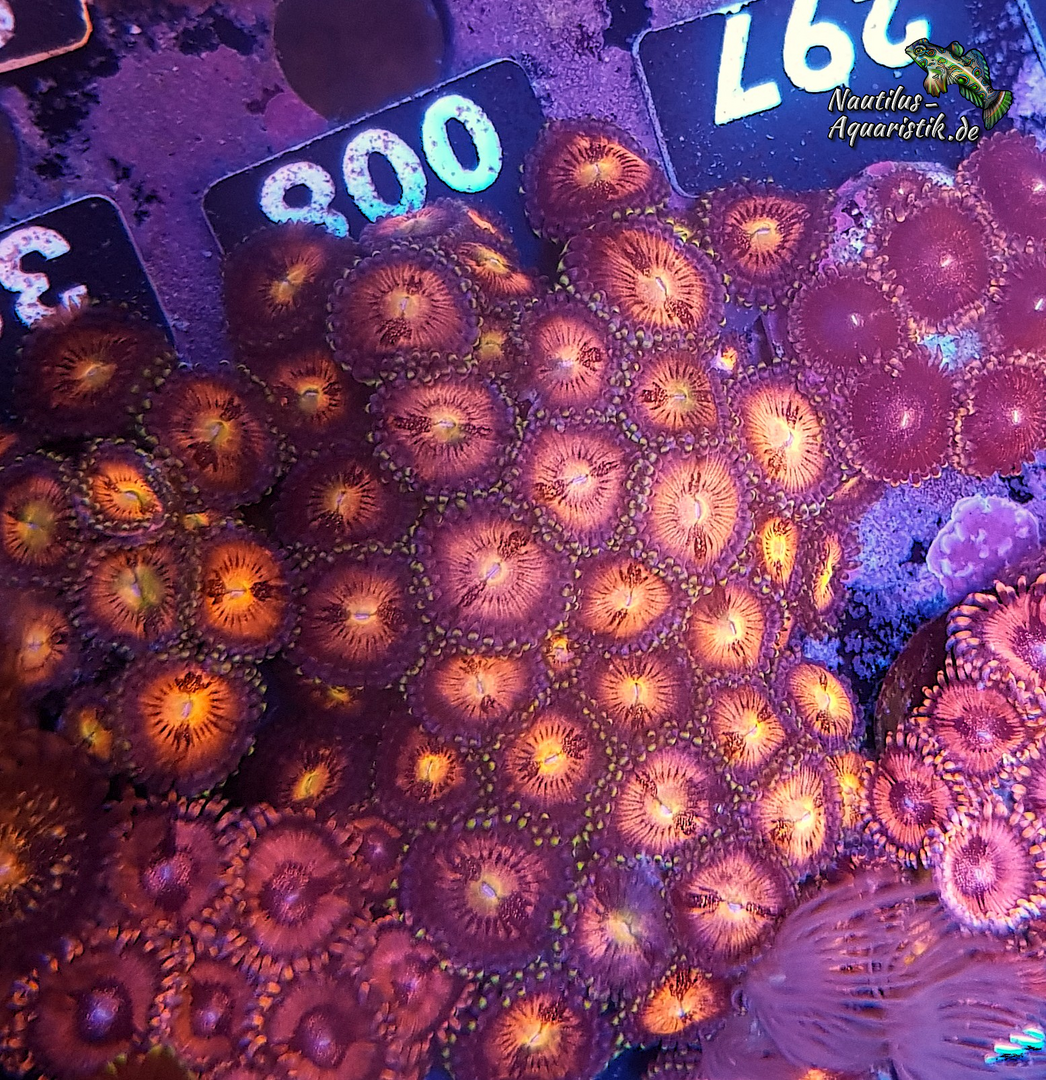
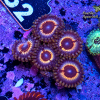
Zoanthids (often shortened to “zoas”) are colonial soft corals that encrust rock with polyps. The Neon Ember variety is prized for its bright orange-red centre and contrasting skirt, which pops under reef lighting. It’s a good pick for beginners who want a striking focal point without the demands of stony corals.
What Is the Neon Ember Zoanthid?
Neon Ember Zoanthids are a colour morph within the Zoanthus and Palythoa family of soft corals. Each polyp has a disc in the middle surrounded by a ring of tentacles, and they grow in connected mats rather than as a single animal. Unlike hard corals, they don’t build a calcium carbonate skeleton, which makes them more forgiving of water chemistry swings.
That said, “Neon Ember” is a trade name, not a scientific classification. Colour names in the zoa trade vary between sellers, so always look at a real photo or video of the actual frag you’re buying rather than a stock image.
Neon Ember vs. other Zoanthids
Most zoas share the same basic care, but colour morphs can differ in growth speed and light tolerance. Neon Ember is generally considered a moderate grower that holds colour well under mid-range lighting. If you’re building a zoa garden, it pairs nicely with green and blue morphs for contrast on the same rock island.
Why Reef Keepers Choose This Coral
The appeal is simple: colour and resilience. A healthy colony adds movement and brightness to an indoor aquarium in Canada, and it tolerates a wider range of conditions than many LPS or SPS corals. It’s also relatively easy to frag, so hobbyists often trade or sell frags within local reef communities.
Here’s what makes it a practical choice:
- Hardy: Handles minor salinity and temperature drift better than stony corals.
- Compact: Grows outward on rock, so it suits smaller tanks.
- Reef-safe: Won’t bother fish or other invertebrates.
- Fast colour payoff: A small frag can spread noticeably within months.
Neon Ember Zoanthid Care Requirements
Getting the basics right is what separates a thriving colony from one that fades. Use the table below as a starting reference, then adjust to how your specific frag responds.
| Parameter | Recommended Range |
|---|---|
| Temperature | 24–26 °C (75–79 °F) |
| Salinity | 1.024–1.026 SG |
| Alkalinity | 7–9 dKH |
| pH | 8.0–8.4 |
| Flow | Moderate, indirect |
| Lighting | Low to moderate reef light |
Lighting and placement
Start your frag low in the tank and move it up gradually over a couple of weeks. Too much light too soon bleaches the polyp and dulls the orange. If the colour fades or the polyps stay closed, drop it a little lower. A spot with gentle, random flow keeps debris off the polyps and encourages even growth.
Water quality and feeding
Zoanthids get much of their energy from symbiotic algae, but they also capture fine food. You don’t need to target-feed, though occasional dosing of a coral food can boost growth. Keep nitrates and phosphates from climbing too high, since excess nutrients fuel algae that can smother a colony. Regular water changes and a reliable protein skimmer cover most of the work. If you’re setting up a new system, our Canadian aquarium guides and resources walk through cycling and water prep in more detail.
Handling safety note
Some Palythoa and Zoanthus species contain palytoxin, a potent compound. Wear gloves and eye protection when handling or fragging, keep the coral out of reach of pets and children, and never scrub zoa rocks dry inside the house. This is a handling precaution, not a reason to avoid the coral—just treat it with respect.
Before You Buy Zoanthid Coral Neon Ember in Canada
Buying coral in Canada means thinking about shipping, weather, and seller reputation. Live coral is sensitive to temperature, so shipping during extreme cold or heat carries risk. Many Canadian sellers offer local pickup or heat-packed shipping, and it’s worth asking about their live-arrival policy before you pay.
When you buy Zoanthid Coral Neon Ember, confirm these details:
- Real photos: Ask for an image of the actual frag, ideally under white light.
- Frag size: Know how many polyps you’re getting.
- Shipping terms: Check heat packs and delivery timelines, especially in winter.
- Dip protocol: Plan to dip new corals before adding them to your display.
Inspecting a frag on arrival
Float the bag to match temperature, then drip-acclimatise slowly. Look for closed polyps, brown jelly, or pests like nudibranchs before placing the frag. A coral dip and a brief quarantine period protect the rest of your collection. Give the frag a few days in a shaded spot to settle before moving it into full light.
Setting Up the Right Aquarium in Canada
Your coral is only as healthy as the system around it. Reef keepers here need to plan for cold winters, reliable heating, and steady power. If you’re still choosing a tank, it helps to compare options before you commit—our overview of how to buy fish tanks in Canada covers sizes, reef-readiness, and what to look for in a starter system.
Many hobbyists now prefer to buy fish tanks online for wider selection and delivery convenience, but always confirm the seller packs glass and acrylic safely. Alongside the tank itself, you’ll want to buy aquarium products in Canada that match saltwater needs: reef salt, a refractometer, a heater with a controller, and decent flow pumps.
Keep a simple checklist before adding livestock:
- Tank fully cycled (zero ammonia, zero nitrite)
- Stable temperature with a backup heater
- Salinity and alkalinity tested and logged
- Flow and lighting suited to soft corals
- Quarantine plan for new arrivals
If your interests stretch beyond corals, some keepers also branch into larger predators. Those setups demand much bigger tanks, stronger filtration, and careful tank-mate planning—review what it takes to buy monster fish in Canada before mixing them with delicate reef inhabitants. For most people, a dedicated soft-coral reef is the safer, calmer route.
Common Mistakes to Avoid
Even experienced hobbyists slip up with zoas. The most common problems are placing frags in direct, blasting flow, skipping a coral dip, and over-lighting a new arrival. Others include gluing a frag onto rock before it has acclimatised and ignoring alkalinity swings that stress the colony.
Another frequent mistake is buying on impulse without asking for the actual frag photo. Colour names are marketing terms, and two “Neon Ember” frags can look quite different. A quick question to the seller saves disappointment.
Growth, Fragging, and Long-Term Care
Once settled, Neon Ember spreads across adjacent rock. You can encourage directional growth by placing small rubble pieces next to the mat; the polyps will eventually grow onto them, making fragging easy. Use a sharp blade and safety gear, and let new frags heal in low flow before relocating them.
Expect modest growth rather than explosive spread. Keep parameters stable, feed lightly, and give the colony time. Stability beats chasing perfect numbers every time.
FAQ
Is the Neon Ember Zoanthid good for beginners?
Yes. It’s a hardy soft coral that tolerates a range of conditions, provided you keep temperature, salinity, and alkalinity stable. Start it low in the tank and raise it gradually.
How much light does it need?
Low to moderate reef lighting is enough. Bright light can bleach a new frag, so acclimate slowly over one to two weeks.
Can I keep it in a nano tank?
Absolutely. Its compact, encrusting growth suits smaller systems, as long as you manage water changes and flow carefully.
Is it safe to handle?
Wear gloves and eye protection. Some zoanthids contain palytoxin, so avoid bare handling and never clean zoa rocks dry indoors.
Where can I buy Zoanthid Coral Neon Ember in Canada?
Look for Canadian sellers who show real frag photos, offer heat-packed shipping, and state a live-arrival policy. Local reef clubs are another good source.
Will it spread onto other rock?
Yes, it encrusts outward. Place rubble beside the colony to direct growth and make future fragging simpler.
Be the first to review “Buy Zoanthid Coral Neon Ember”
Related products
Newest Products
Newest Products
Newest Products
Newest Products
Newest Products
Newest Products
Newest Products
Newest Products
Reviews
There are no reviews yet.