
Buy Valenciennea strigata (ca 3–5 cm) in Canada: A Practical Care Guide
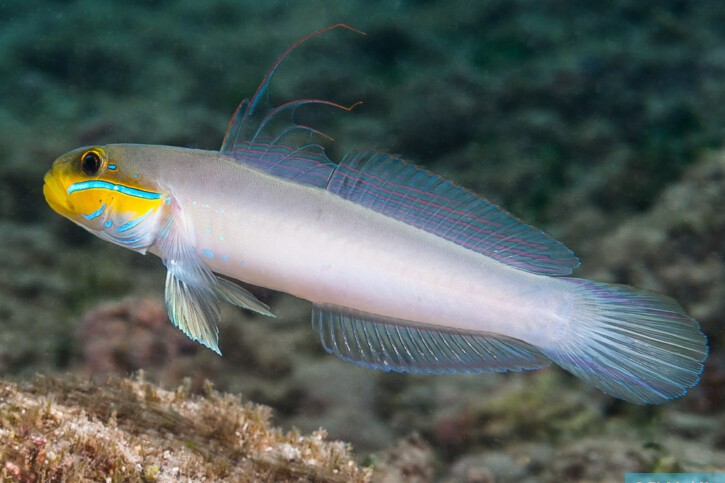
Valenciennea strigata—commonly sold as the blue-band goby or yellow-headed sleeper goby—is a small, peaceful sand-sifting fish that appeals to reefkeepers who want both personality and functional cleanup. If you’re planning to buy Valenciennea strigata (ca 3–5 cm) in Canada, this guide covers what the fish needs, how to judge a healthy specimen, and how to set up a tank that supports its natural behavior. Whether you’re new to the marine side of the hobby or adding to an established system, the details below will help you buy and care for this species responsibly.
What Is Valenciennea strigata?
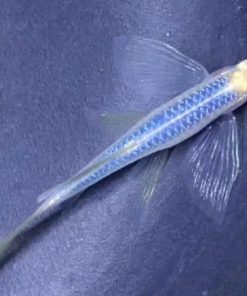
Valenciennea strigata is a member of the Gobiidae family, widely recognized by its pale body, blue horizontal stripe along the head and flanks, and yellow facial markings. It belongs to a group known as sleeper gobies, named for their habit of resting on the substrate between bursts of activity.
This species is valued for more than appearance. It constantly sifts sand through its gills to extract small invertebrates and organic particles, which helps keep a shallow sand bed turned over and aerated. That makes it a popular choice among reef hobbyists looking for a “working” fish that earns its place in the display.
The 3–5 cm size range refers to juveniles and small adults, which adapt well to captivity when introduced to a stable, mature aquarium.
Before You Buy: Is This Fish Right for Your Setup?
Buying on impulse is the most common mistake with sleeper gobies. These fish are peaceful but active, and they have specific needs that determine whether they thrive or slowly decline.
Tank size and footprint
Plan for a tank of roughly 120 litres (about 30 gallons) or larger, with a generous open sand area. Floor space matters more than height because V. strigata spends most of its time near the substrate. A tank dominated by rockwork with little exposed sand won’t suit it.
Sand, not gravel
A fine, soft sand bed of at least a few centimetres is essential for natural sifting behavior. Sharp gravel can damage the fish’s mouth and gills during feeding. A living sand bed also supports the microfauna these gobies graze on.
A settled, mature system
This is not a good fish for a brand-new tank. Because it feeds on tiny organisms in the substrate, it does best in a system that has been running long enough to develop a healthy sand bed. If your tank is still cycling, wait.
Peaceful tankmates and an escape-proof lid
Sleeper gobies are docile and can be outcompeted for food by aggressive or fast-feeding fish. Choose calm companions and provide a tightly fitted lid or screen—gobies are known jumpers.
How to Choose a Healthy Valenciennea strigata in Canada
Canadian hobbyists can source this fish through local retailers, reef clubs, and reputable online sellers. Shopping well matters more than shopping fast.
What to look for at the store
- Active sifting behavior: A healthy specimen should be moving across the sand and sifting regularly.
- Clear colors and intact fins: Faded color, clamped fins, or torn edges are warning signs.
- Steady breathing and a full body: Rapid gill movement or a sunken belly suggests stress or poor feeding.
- No visible spots or lesions: Check the skin and fins carefully before purchase.
Ask how it was acclimated
Retailers who quarantine and acclimate fish carefully give you a much better starting point. Ask how long the fish has been in the store, what it is eating, and whether it arrived recently. A fish that has been settled for a week and is feeding actively is a better bet than a fresh arrival.
Buying online in Canada
Ordering fish from a Canadian seller reduces shipping stress and border complications compared with international orders. Confirm the seller ships with heat or cold packs as the season demands, offers live-arrival terms, and uses overnight or express delivery. In winter, avoid ordering during extreme cold snaps.
Setting Up the Aquarium in Canada
If you’re building or upgrading a system for this fish, start with the tank and substrate. You can explore equipment and setup guidance through Canadian Aquarist’s aquarium resources before you commit to livestock.
Cycling before anything else
Cycle the tank fully, confirm stable salinity and temperature, and let the sand bed mature. Testing for ammonia, nitrite, and nitrate before adding fish is non-negotiable.
Substrate and flow
Use fine aragonite or similar marine sand. Keep flow moderate—strong enough to keep detritus suspended but not so strong that it constantly buries the fish’s food or displaces the sand.
Temperature and water parameters
This is a tropical marine species, so aim for stable conditions rather than chasing exact numbers. Avoid swings in temperature and salinity, and keep up with regular partial water changes. A reliable heater and a dependable thermometer matter more than any single test result.
Equipment shopping
Whether you’re outfitting a first marine tank or upgrading an existing one, browse aquarium products and fish tanks in Canada from suppliers familiar with Canadian shipping and climate. Buy from sellers who pack glass and fragile equipment properly.
Feeding Your Blue-Band Goby
Sleeper gobies feed constantly in the wild, so they burn energy quickly. A fish that isn’t getting enough food will gradually lose weight even when sifting appears normal.
Offer frequent small meals
Feed two to three times daily where possible. Small, frequent portions suit their grazing style better than one large meal.
What to feed
Accept a varied diet:
- Frozen mysis, brine shrimp, and chopped seafood
- Sinking carnivore pellets or small granules
- Live foods such as copepods, where available
Because they feed off the sand, sinking foods reach them naturally. Observe each feeding to confirm your goby is actually getting food and not losing it to faster tankmates.
Watch the body condition
A healthy V. strigata has a rounded belly. If the fish appears pinched behind the head or along the flanks, increase feeding frequency and check that it isn’t being outcompeted.
Compatible Tankmates and Community Planning
Pair this goby with calm, similarly sized fish. Avoid boisterous feeders, large predatory species, and anything that would treat a small goby as food. Smaller reef-safe fish, peaceful wrasses, and non-aggressive invertebrates generally work well.
If you keep an interest in larger, bolder species, monster fish available in Canada belong in separate, appropriately sized systems rather than mixed with a small sand-sifting goby.
Common Mistakes to Avoid
- Adding the fish to a new, uncycled tank. Wait for stability.
- Skipping a lid. Jumping is a real risk.
- Using coarse gravel. Fine sand supports natural feeding.
- Underfeeding. Grazing alone rarely meets nutritional needs in captivity.
- Mixing with aggressive feeders. Competition leads to weight loss.
- Neglecting quarantine. A short observation period protects your existing livestock.
Quarantine and Acclimation
Quarantine new arrivals in a separate observation tank when possible, watching for signs of disease before introducing them to the display. Acclimate slowly using drip or float-and-add methods, matching temperature and salinity, and keep the lights low during introduction to reduce stress.
FAQs
How big does Valenciennea strigata grow?
Adults typically reach around 15–18 cm, though specimens sold at 3–5 cm are juveniles or young adults that will grow with good care.
Can I keep one in a nano tank?
A tank around 120 litres with plenty of open sand is a more realistic minimum. Nano tanks usually lack the sand bed area this species needs.
Do I need a mature sand bed?
Yes. A settled sand bed supports the microfauna these gobies graze on, and it gives them room to sift naturally.
How often should I feed it?
Two to three small feedings daily is a good baseline. Watch body condition and adjust.
Is it reef safe?
It is generally considered reef safe and does not typically bother corals, though it will disturb loose sand and small bottom-dwelling items.
Is it a good beginner marine fish?
Only for hobbyists with an established, stable tank. Beginners should gain some marine experience before adding a sleeper goby.
Be the first to review “Buy Valenciennea strigata ( ca 3-5 cm) Canada”
Related products
Newest Products
Newest Products
Newest Products
Newest Products
Newest Products


Newest Products
Newest Products

Newest Products
Reviews
There are no reviews yet.