

UV-PL Ersatzlampe (9 Watt): A Canadian Aquarist’s Replacement Lamp Guide
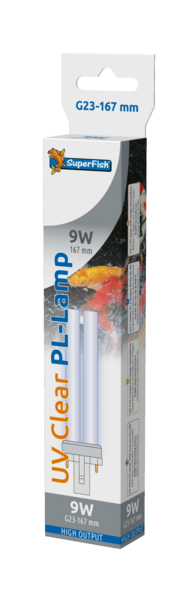
If you have unboxed a new internal filter, UV sterilizer, or hang-on tank, you may have spotted a small “UV-PL Ersatzlampe (9 Watt)” in the parts list. The German term translates to “UV PL replacement lamp,” and it refers to a compact 9-watt fluorescent lamp in the PL-style form factor used for ultraviolet water treatment. This guide explains what the lamp is, when it is needed, how to choose the right replacement, and what Canadian fishkeepers should know before buying.
Keep in mind the UV-PL Ersatzlampe (9 Watt) is a component, not a general-purpose light. It belongs inside a compatible UV clarifier or sterilizer, where its ultraviolet output helps control free-floating algae and microorganisms. The most useful audience for this article is a hobbyist running or repairing a small UV unit on an indoor aquarium, especially in Canada, where replacement parts can be harder to find locally.
Canadian Aquarist publishes equipment and species guides aimed at hobbyists north of the border, and the points below align with that practical, replacement-focused approach.
What Is a UV-PL Ersatzlampe (9 Watt)?
“Ersatzlampe” means replacement lamp in German, and “UV-PL” points to a UV-emitting lamp built in the PL (compact fluorescent) format. The 9-watt figure indicates the lamp’s electrical power rating, not its germicidal strength. Lamps in this class typically look like a bent or single-ended compact tube with two or four pins that seat into a matching socket.
Aquarium UV clarifiers use these lamps to emit short-wavelength ultraviolet light, commonly in the UVC range. Water passes close to the lamp, and the UV exposure helps reduce suspended algae and some microbes. Manufacturers design the lamp, housing, and water flow as a system, so a replacement should match the original specification.
PL-L, PL-S, and Pin Configurations
PL lamps come in single-tube (PL-S) and double-tube (PL-L) styles with different pin counts and base types. A 9-watt lamp might use a G23 two-pin base or a four-pin base depending on the fixture. The base type and length must match your unit; a lamp that fits physically but has the wrong electrical characteristics may not work or may fail early.
Signs Your UV Replacement Lamp Needs Swapping
A UV lamp can stay lit while its germicidal output fades, so brightness is a poor gauge of usefulness. Most aquarium UV lamp makers recommend replacement on a manufacturer-stated interval for this reason, commonly in the range of about six to twelve months of continuous use.
Watch for these signs:
- Algae returns: green water or suspended algae rebounds despite normal maintenance.
- Continuous run time: the lamp has run daily for many months without replacement.
- Visible darkening: the tube ends blacken or the glass looks discolored.
- No glow or flicker: the lamp fails to strike, which may also indicate a ballast or socket problem.
If the lamp will not light at all, check the socket, seals, and power supply before assuming the lamp is faulty.
Choosing the Right Replacement in Canada
Matching your existing UV sterilizer is the safest route. Record the unit’s brand and model, then confirm the lamp’s wattage, base type, and length against the replacement listing. A “9-watt UV-PL” label alone does not guarantee a fit.
Checklist Before You Buy
- Confirm the base type (for example, two-pin or four-pin) and tube format.
- Measure the old lamp or check the model’s parts list for length.
- Verify the lamp is sold as a UV/germicidal replacement, not a standard white PL lamp.
- Check voltage and socket compatibility with your Canadian power setup.
Many Canadian hobbyists order parts online because local aquarium shops carry limited replacement stocks. When you buy aquarium products in Canada, confirm shipping timelines, warranty terms, and whether the seller lists the exact base type.
Installing a 9-Watt UV Lamp Safely
Unplug the UV unit before any maintenance, and allow the lamp to cool. Remove the old lamp carefully, inspect the quartz sleeve or glass housing for scale or cracks, and clean it according to the manufacturer’s instructions. Seat the new lamp fully in its socket, reseal the housing, and check for leaks before restoring power.
Handle the new lamp by its ends where possible. Oils from fingers can affect some lamp types, and the glass is fragile. Avoid looking directly at an operating UV lamp, since ultraviolet light can harm eyes and skin.
Prime the system so the lamp is not running dry, then follow the maker’s flow-rate guidance. Running water too fast past the lamp can reduce treatment effectiveness, while too little flow may let the unit overheat.
UV Lamps in the Canadian Aquarium Setup
A UV clarifier is one tool among many in a healthy indoor aquarium, and lighting and filtration matter just as much. Hobbyists who buy fish tanks online should check whether the model includes UV treatment or whether it needs a separate add-on unit. Canadian winters can bring dry indoor air and stable room temperatures, so equipment placement near heat sources and windows deserves a second look.
UV treatment is not a cure-all. It does not cycle a tank, remove ammonia, or replace water changes. Use it alongside proper filtration, sensible stocking, and routine maintenance. For hobbyists who keep larger or predator species, the same principles apply with more filtration capacity; see resources on how to buy monster fish in canada responsibly and plan a tank that matches the fish’s adult size.
Matching Light, Filtration, and Stocking
Before adding fish, let the aquarium cycle and confirm the filter and UV unit are running correctly. Choose species suited to your water parameters and tank volume, and research their adult size and temperament. A well-matched setup reduces stress on both fish and equipment.
When a 9-Watt Lamp Is Not the Right Fit
Small 9-watt UV units suit modest water volumes and light algae control. Larger tanks, heavy bioloads, or serious pathogen concerns typically need a larger, properly sized UV system or different management strategy. A replacement lamp cannot compensate for an undersized unit or poor water flow.
If your unit calls for a different wattage or base type, do not force an incompatible lamp. Check the manufacturer’s parts list or contact the seller for the correct part. Buying the wrong lamp wastes money and delays maintenance.
FAQ
What does UV-PL Ersatzlampe mean? It is German for “UV PL replacement lamp.” “UV-PL” refers to a compact UV lamp format, and “Ersatzlampe” means replacement lamp. The 9-watt figure is the electrical rating.
How often should I replace a 9-watt aquarium UV lamp? Follow the manufacturer’s recommended interval, often around six to twelve months of continuous use. Replace sooner if algae returns or the lamp visibly degrades.
Can I use a normal 9-watt PL lamp instead? Only if the lamp is explicitly a UV/germicidal replacement with the same base and specification. A standard white PL lamp will not provide the same ultraviolet treatment.
Where can Canadian hobbyists find replacement UV lamps? Aquarium retailers, specialty online sellers, and manufacturer parts listings are common sources. Confirm the base type, wattage, and length before ordering.
Does a UV lamp replace a filter or water changes? No. UV treatment supports water clarity and helps control some microorganisms, but it does not remove ammonia or substitute for filtration, cycling, and routine water changes.
Be the first to review “UV-PL Ersatzlampe (9 Watt)”
Related products
Newest Products
Newest Products
Newest Products

Newest Products
Newest Products

Newest Products
Newest Products
Newest Products
Reviews
There are no reviews yet.