
Threadfin Cardinalfish: A Care Guide for Canadian Aquarists
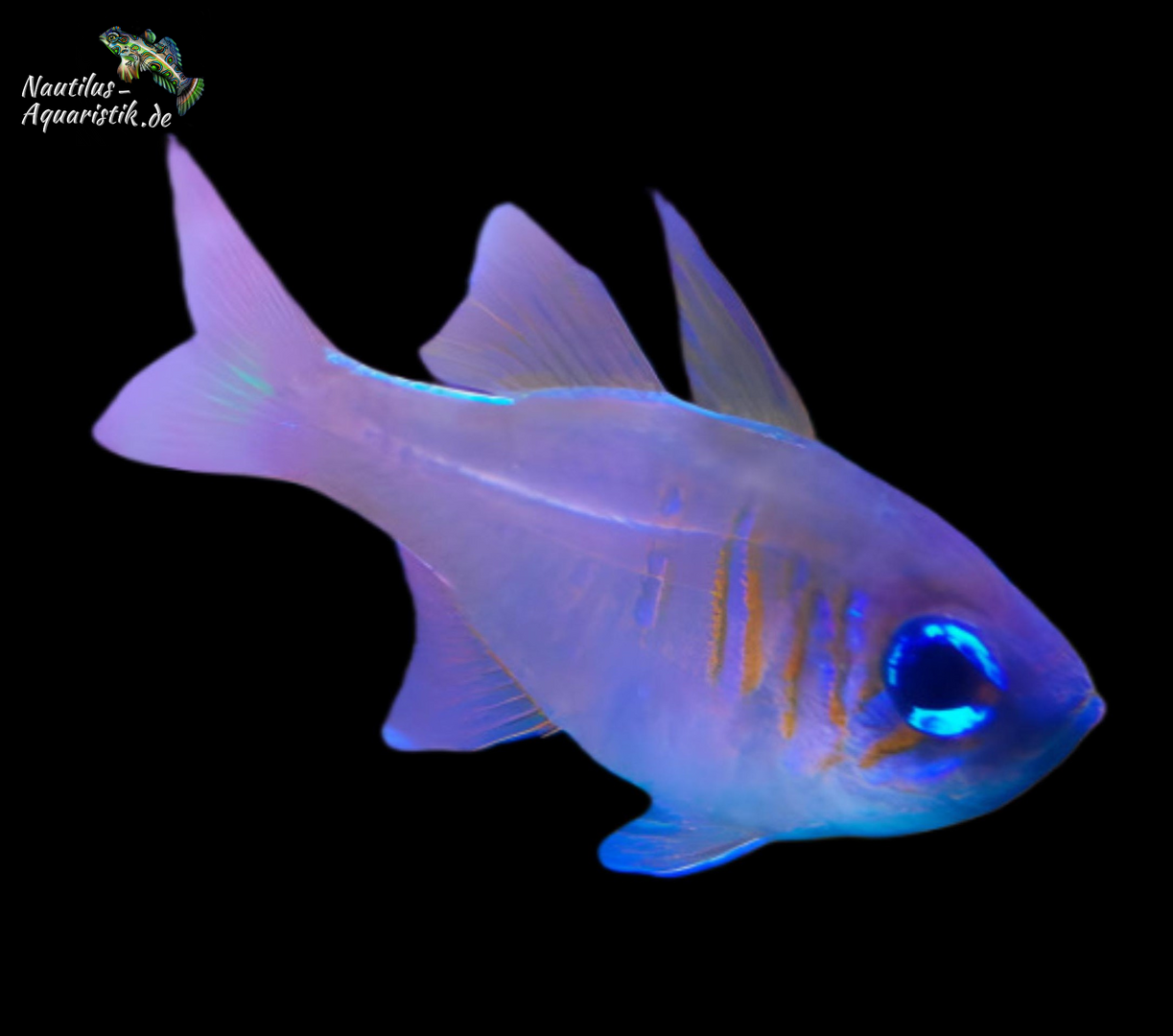
The threadfin cardinalfish (Zoramia leptacantha) is a small, peaceful schooling fish that brings calm movement and shimmering colour to a marine aquarium. Known for its long, trailing dorsal fin filaments and semi-transparent body, this species suits reef keepers who want a lively group fish without aggressive behaviour. For Canadians planning a saltwater setup, understanding its needs before you start building a reef system helps you avoid common mistakes around tank size, flow, and feeding.
This guide covers the essentials: natural habitat, tank requirements, diet, tank mates, and health. It answers the question most people actually ask—can a beginner keep threadfin cardinalfish successfully? The short answer is yes, provided you meet a few key conditions.
What Is the Threadfin Cardinalfish?
Threadfin cardinalfish belong to the family Apogonidae, a large group of mostly nocturnal marine fish. This particular species occurs across the Indo-Pacific, from the Red Sea and East Africa through to Japan, Australia, and island groups such as Fiji and Palau. You may also see it sold under older names such as Apogon leptacanthus.
Wild fish gather in loose schools above branching corals and rocky outcrops, often hovering in the water column rather than sitting on the substrate. Males are mouthbrooders, carrying fertilised eggs in their mouths until they hatch. That reproductive behaviour is one reason the species is difficult to breed at scale in home aquariums, so nearly all specimens offered for sale are wild-caught.
Adults typically reach around 5 to 6 cm (roughly 2 inches), which keeps them manageable for smaller marine tanks. Their see-through body with faint blue or silver highlights reads as delicate in photos, but the fish is hardier than it looks when acclimated well.
Tank Requirements for Threadfin Cardinalfish
Minimum Tank Size and Aquascape
A group of six to eight threadfin cardinalfish does well in a tank of roughly 115 litres (30 US gallons) or more. Larger volumes provide more stable water chemistry and room for a proper school. Because they occupy the open water column, leave plenty of swimming space between rock formations while retaining caves and shaded ledges for retreat.
Moderate, indirect flow suits them best. Blast them with a single strong powerhead and they will spend the day hiding rather than schooling in view.
Water Parameters
Provide stable marine conditions with these targets as a starting point:
- Salinity: 1.023–1.025 specific gravity
- Temperature: 24–26°C (75–79°F)
- pH: 8.1–8.4
- Ammonia and nitrite: 0 ppm
- Nitrate: keep low, ideally under 10–20 ppm, through regular maintenance
Stability matters more than chasing a perfect number. A mature tank with consistent salinity and temperature gives these fish the best chance to settle in quickly.
Lighting and Filtration
Standard reef lighting works fine. The species is not light-sensitive in the way some cryptic fish are, though very bright, open settings may encourage hiding until it adapts. Use a reliable protein skimmer and biological filtration, and choose equipment you can service easily—Canadians often find it convenient to buy aquarium products in Canada so replacement parts and consumables arrive without cross-border delays.
If you are still planning equipment, review the basics of choosing the right indoor aquarium in Canada for your space and climate before committing to a footprint.
Diet and Feeding
Threadfin cardinalfish are carnivores that feed on small planktonic crustaceans in the wild. In captivity, they accept a range of meaty foods:
- Frozen or live mysis and brine shrimp
- Small copepods
- Finely chopped seafood
- High-quality micro-pellets once the fish are feeding confidently
Feed small portions two or three times daily rather than one large meal. New arrivals can be shy at feeding time, especially in bright, busy tanks. Offer food near the school and dim the lights slightly for the first week to encourage a feeding response.
Because these fish rarely become aggressive eaters, make sure food reaches them. Fast, boisterous tank mates may clear the water column before the cardinals get a chance.
Tank Mates and Compatibility
This is a peaceful schooling species best kept as a group. Aim for at least six individuals so aggression spreads and the school behaves naturally. Keep them with calm companions: small gobies, firefish, dartfish, peaceful wrasses, and non-aggressive reef-safe invertebrates.
Avoid boisterous or predatory fish. Large angelfish, groupers, lionfish, and fast triggers can intimidate or eat cardinalfish. The mismatch is even more pronounced if you buy monster fish in Canada for a mixed setup—predatory species simply don’t belong in the same tank as small, slow-moving schoolers.
For reef keepers, note that these fish are generally considered reef-safe. They ignore corals and other sessile invertebrates, but they will prey on very small ornamental crustaceans such as tiny shrimp.
Can They Live in a Nano Tank?
A nano marine tank can work for a small group if the volume is large enough and water quality is stable. The limiting factor is swimming space and the difficulty of keeping parameters steady in small water volumes rather than the fish’s size.
Acclimation, Health, and Common Issues
Slow drip acclimation over 45 to 60 minutes reduces stress on arrival. These fish ship poorly compared with hardier species, so inspect new arrivals for clamped fins, laboured breathing, and torn fins before purchase.
Watch for the following:
- Marine velvet and ich: unusual spotting, rapid breathing, and rubbing against surfaces call for swift quarantine and treatment.
- Refusal to feed: often stress-related; check salinity, temperature, and tank mates.
- Hiding and school breakup: usually connected to high flow, bright lighting, or aggression from other fish.
- Fin damage: long trailing rays are delicate and can be nipped by aggressive neighbours.
A simple quarantine tank protects your display and gives new purchases time to settle. If you are shopping for a dedicated observation tank or planning a larger system, it pays to buy fish tanks online from a supplier that stocks suitable sizes for Canadian homes.
If you plan to buy fish for your aquarium online, ask the seller about arrival handling and acclimation guidance, and confirm shipping arrangements for colder months. Canada’s winter conditions make temperature-control details genuinely important.
Are Threadfin Cardinalfish Right for Your Aquarium?
They are a strong choice for reef keepers who want a peaceful school fish with a distinctive look. The species suits a dedicated marine setup, a small group display, or a calm community tank alongside other gentle species. It is less suitable for fish-only predator tanks or mixed systems where aggressive eaters dominate.
The main constraints are simple: stable marine water, a group of six or more, gentle tank mates, and reliable small foods. Meet those conditions and these fish can live happily well beyond a year in a well-maintained system.
FAQ
How big do threadfin cardinalfish get?
Adults reach approximately 5 to 6 cm, making them one of the smaller schooling options for a marine aquarium.
How many should I keep together?
At least six. A larger group spreads normal aggression, encourages natural schooling, and makes the fish more visible in the open water.
Are threadfin cardinalfish reef-safe?
Yes, they generally leave corals and sessile invertebrates alone. They may eat very small ornamental crustaceans such as tiny shrimp.
Are they good for beginners?
They are reasonably forgiving once acclimated and fed, but beginners should already understand marine water chemistry and quarantine practices. Fish shipped poorly or added to immature tanks may struggle.
Do they need a quarantine period?
It is strongly advised. A short quarantine allows you to observe for disease, confirm feeding, and protect your main display.
Can they be kept with aggressive fish?
No. Fast, predatory or territorial fish intimidate and can eat them. Choose calm tank mates instead.
Be the first to review “Threadfin cardinalfish (Zoramia leptacantha)”
Related products

Newest Products
Newest Products
Newest Products
Newest Products
Newest Products
Newest Products


Newest Products
Newest Products
Reviews
There are no reviews yet.