
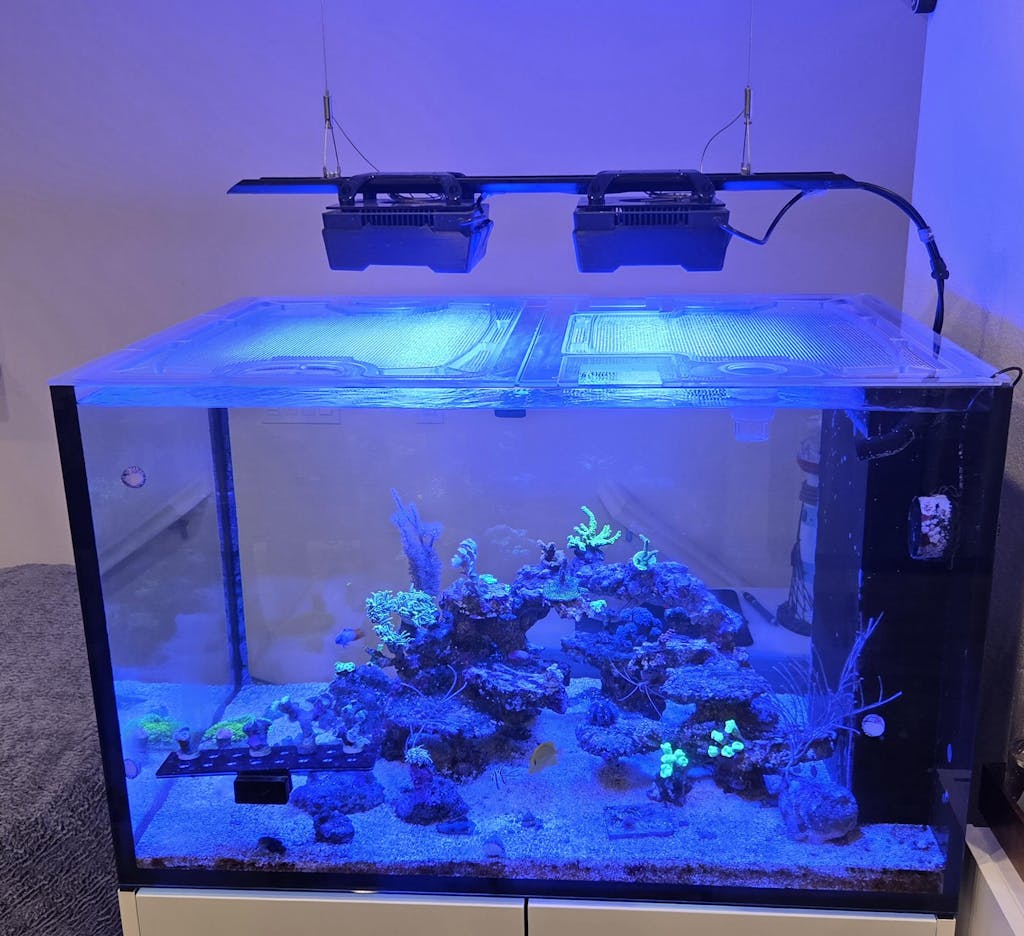
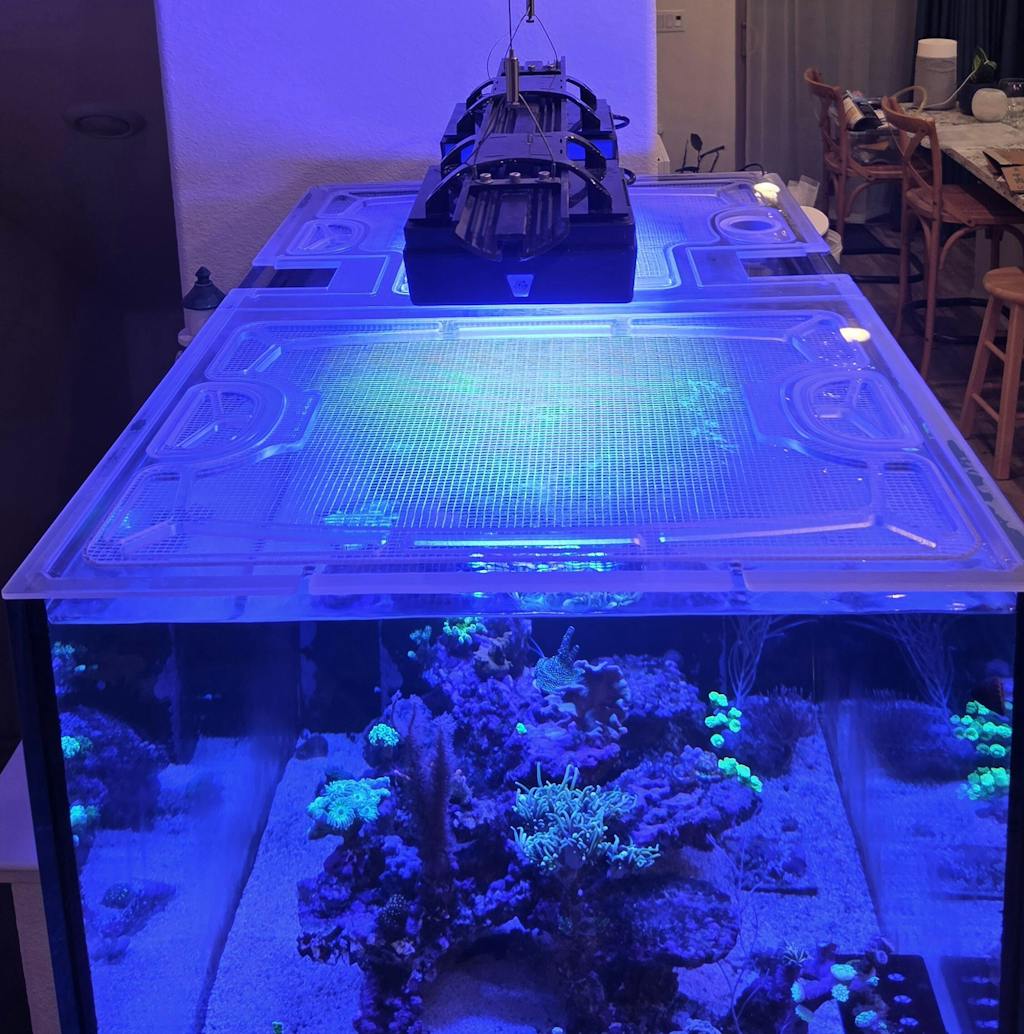
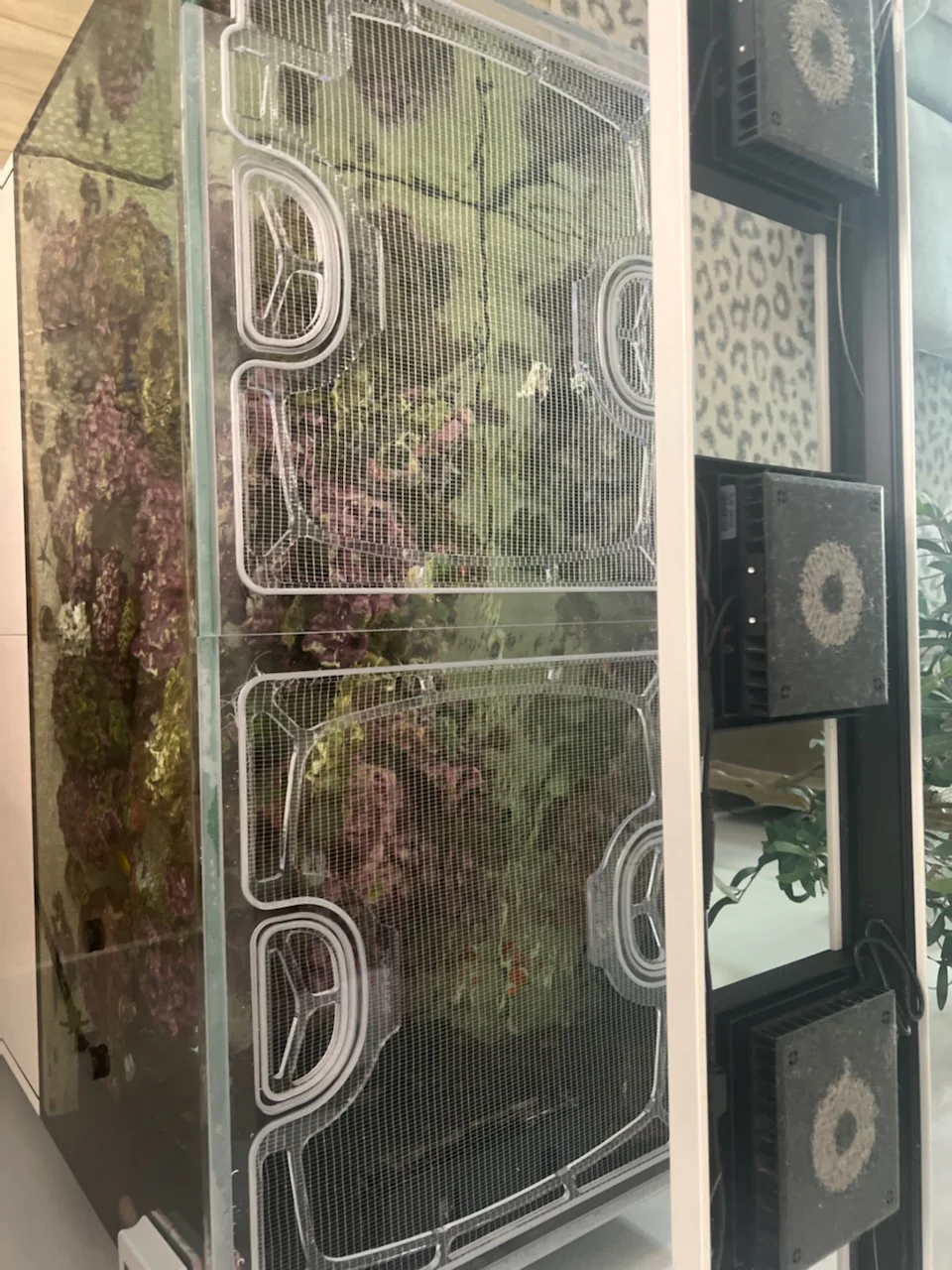
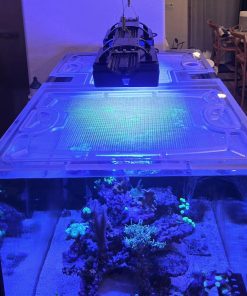
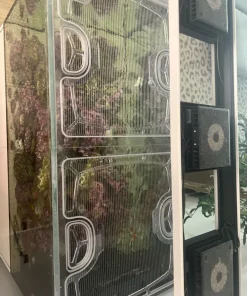
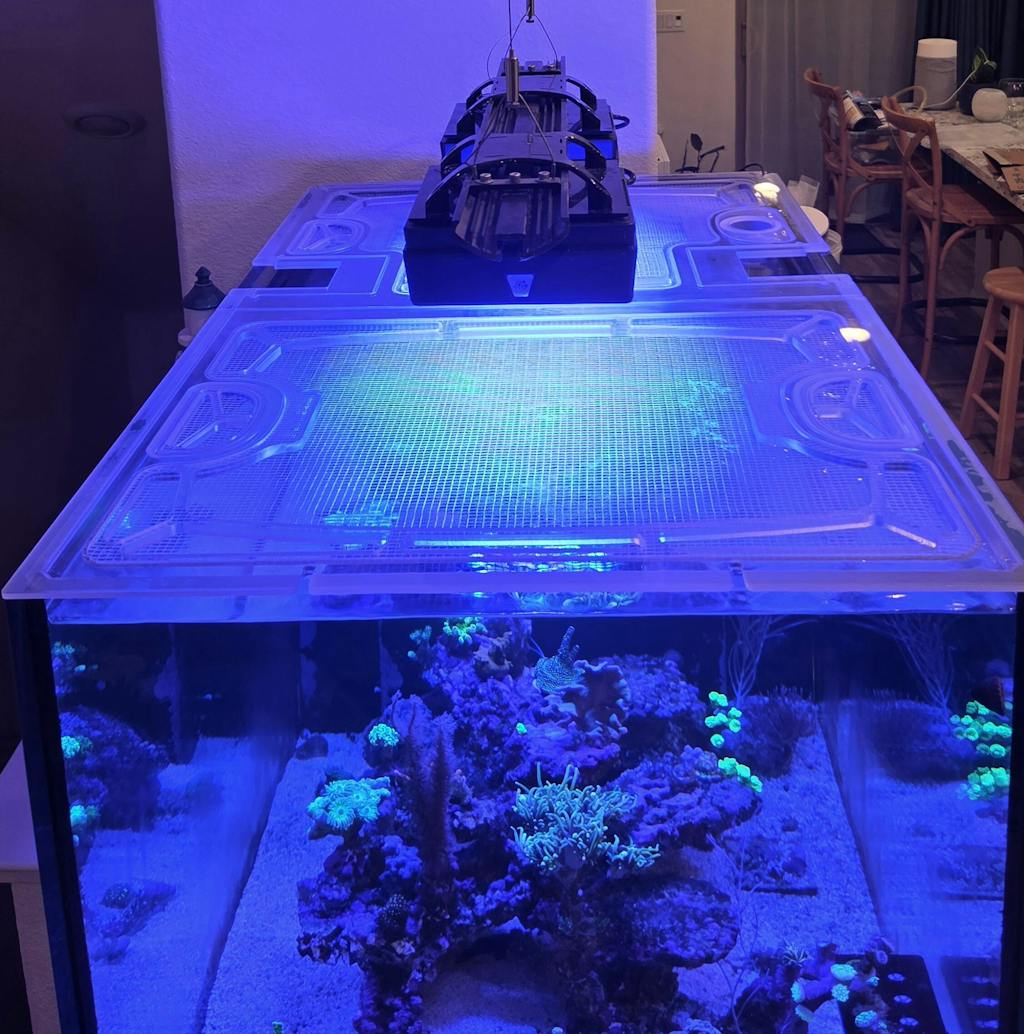
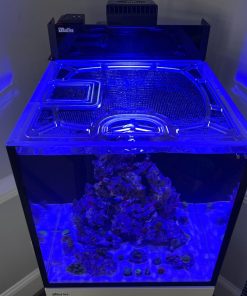
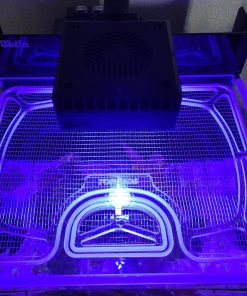
Red Sea Reefer Peninsula 500 G2+ (Rimless Version) Custom Polycarbonate Aquarium Screen Top Lid
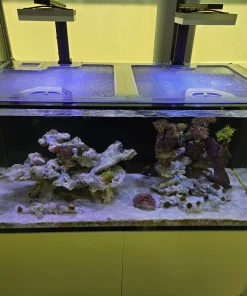
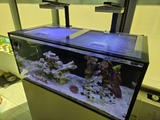
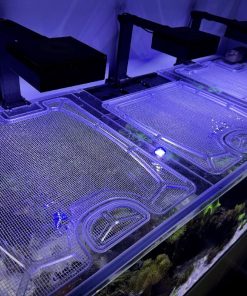
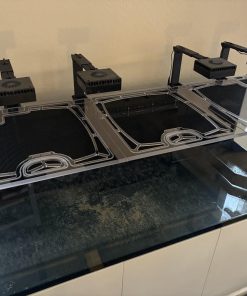
A rimless peninsula tank makes a stunning centerpiece, but an open top invites evaporation, jumping fish, and airborne dust. This custom polycarbonate aquarium screen top lid is built specifically for the Red Sea Reefer Peninsula 500 G2+ (Rimless Version), giving Canadian reefers a clean, low-profile cover that disappears against the tank’s frameless edges. If you have been searching for a screen top that actually fits a peninsula footprint instead of a generic rectangular sheet, this is the lid your system was waiting for.
Available now through our Canadian aquarium supplies online store, each lid is cut to match the Reefer Peninsula 500 G2+ display dimensions and finished with a fine mesh that blocks jumpers without trapping heat or blocking light.
Why the Red Sea Reefer Peninsula 500 G2+ Needs a Purpose-Built Lid
Peninsula aquariums are open on three sides, which is exactly why they look so good, and exactly why they are so hard to cover. A standard rectangular screen top leaves visible gaps along the front and side viewing panels, and those gaps are where wrasse, firefish, and gobies end up on the floor.
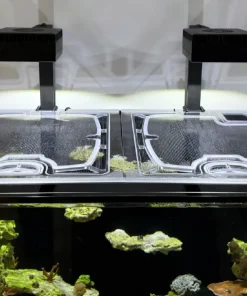
This lid is measured for the Peninsula 500 G2+ footprint rather than trimmed from a universal kit, so the frame sits flush along the rimless glass. The result is a cover that reads as part of the tank instead of an afterthought bolted on top of it.
Rimless Tanks, Evaporation, and Jumping Fish
Rimless aquariums lose water fast. Warm water, surface agitation, and an open top combine to push evaporation rates up, which means more top-off water, more salinity swings, and more strain on your auto top-off reservoir. A mesh screen reduces that loss while still allowing gas exchange at the surface, unlike a solid glass or acrylic cover that can trap humidity and heat.
Jumping is the other problem. Reef fish are surprisingly good at finding the smallest opening, and a peninsula tank’s exposed front edge is a natural launch point. A tight-fitting screen removes that temptation without dimming your lighting.
Key Features of This Custom Polycarbonate Screen Top Lid
Every component here is chosen for reef use rather than general home improvement, and the difference shows after a few months of salt creep and humidity.
Materials That Stand Up to Saltwater
The frame is cut from polycarbonate, a material that resists warping and moisture better than the acrylic frames found on many budget kits. Polycarbonate also handles the occasional bump without cracking, which matters when you are reaching into the tank for maintenance.
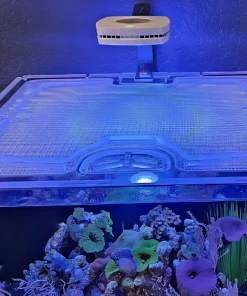
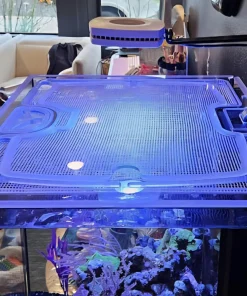
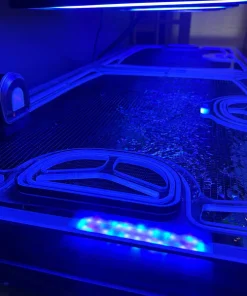
The included mesh is fine enough to stop small fish and large-bodied invertebrates from escaping, yet open enough that light transmission stays high and heat does not build under the screen. Your LED schedule does not need to be re-tuned around this lid.
A Low-Profile Fit for a Rimless Display
Because the lid follows the peninsula’s actual geometry, there is no bulky hinge assembly and no oversized trim. It sits close to the water line, keeps the frameless look intact, and lets you view the tank from the front and both long sides without a frame cutting across your sightline.
Removal is straightforward when you need full access for feeding, fragging, or equipment adjustments. There is nothing to unscrew and nothing to unclip.
Who This Aquarium Screen Top Lid Is For
Reef keepers running the Peninsula 500 G2+ as a room divider or kitchen island get the most from this lid. It is also a practical pick for anyone keeping known jumpers, running a high-evaporation setup with strong surface agitation, or trying to cut down on dust and pet hair reaching the water.
If your tank is still being assembled, this lid pairs naturally with the rest of your aquarium equipment and accessories so you can plan the full build in one order rather than chasing parts later.
When a Different Lid Makes More Sense
This lid is cut for the Reefer Peninsula 500 G2+ (Rimless Version) specifically. If you run a different Reefer model, a standard rectangular tank, or a custom build with unusual dimensions, a made-to-measure option will serve you better than forcing this one to fit. Rimless tanks also demand a flush fit, so confirm your model before ordering.
How to Install and Maintain the Polycarbonate Lid
Installation takes minutes and requires no drilling or permanent modification.
- Confirm the frame orientation against the tank rim so the mesh sits flat.
- Lower the lid into place, checking that all edges rest evenly on the glass.
- Trim or adjust lighting only if you notice a visible change in spread, which is uncommon with fine mesh.
- Rinse the screen with lukewarm water periodically to clear salt spray and dust so light transmission stays consistent.
For ongoing tank care, browse aquarium maintenance products that complement a covered system, particularly top-off and water testing supplies.
Buying Aquarium Supplies Online in Canada
Ordering a custom-fit lid from a Canadian supplier means shorter shipping times, pricing in Canadian dollars, and no surprise duties at the door. That matters for a large, rigid item that benefits from careful packaging and domestic handling.
If you are outfitting a new peninsula build, it is worth bundling the lid with your other essentials. Many reefers use this as the starting point of an aquarium starter kit purchase, adding lighting, a return pump, and test kits in the same order. Buying affordable aquarium equipment in one shipment also reduces the chance of a second delivery arriving mid-cycle.
What to Check Before You Order
- Tank model and version, since G2+ dimensions differ from earlier generations
- Whether your lighting mounts sit on the rim, which can affect how the lid rests
- Your evaporation rate, if you want to size a top-off reservoir at the same time
Care Tips That Extend the Life of Your Screen Top
Rinse the mesh monthly in lukewarm water to remove salt residue and dust. Avoid abrasive pads, which can cloud polycarbonate over time, and skip harsh solvents entirely. Handle the frame by the edges when lifting it off so you do not flex the mesh panel. Store the lid flat if you remove it for a deep clean or tank move.
Keeping the screen clear also protects the investment you have made in your lighting. A dusty screen quietly steals PAR, and the fix takes about two minutes.
Frequently Asked Questions
Will this lid fit the Red Sea Reefer Peninsula 500 G2+ exactly?
Yes. It is cut for the Peninsula 500 G2+ (Rimless Version) footprint, so the frame sits flush along the rimless glass without the gaps you get from a universal kit.
Does a mesh screen top reduce light for corals?
Fine reef mesh has minimal impact on light transmission, and most keepers see no measurable change in coral response. If you want certainty, a PAR meter reading before and after installation takes the guesswork out.
Can I use this lid with an auto top-off system?
Yes, and the combination works well. The screen lowers evaporation, so your top-off reservoir lasts longer and salinity stays more stable between refills.
Does covering the tank cause temperature problems?
Mesh allows heat and gas exchange, unlike solid glass or acrylic covers. That is one of the main reasons reefers choose screen tops over closed lids.
How often should I clean the screen?
A monthly rinse in lukewarm water is enough for most systems. Tanks with heavy surface agitation or open windows nearby may need it every two to three weeks.
Do you ship across Canada?
Yes. Orders ship to Canadian addresses, with pricing in Canadian dollars and no cross-border duty surprises for domestic customers.
Be the first to review “Red Sea Reefer Peninsula 500 G2+ Screen Top Lid”
Related products
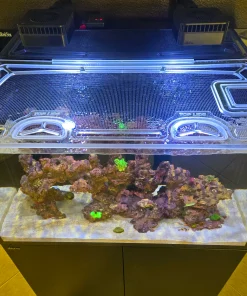
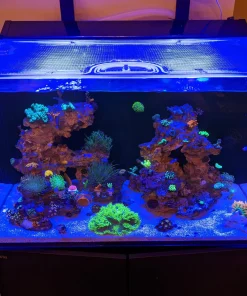
Red Sea Aquarium Lids & Tank Covers
Red Sea Max-E 260 G1 and G2+ Custom Polycarbonate Aquarium Screen Top Lid
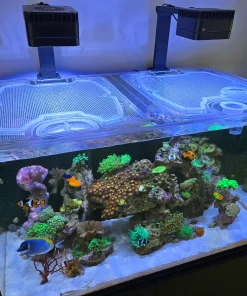
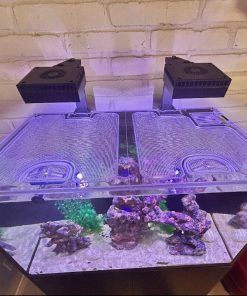
Red Sea Aquarium Lids & Tank Covers
Red Sea Reefer 300 G1 and G2+ Custom Polycarbonate Aquarium Screen Top Lid
Red Sea Aquarium Lids & Tank Covers
Red Sea Aquarium Lids & Tank Covers
Red Sea Reefer 300 G3 Custom Polycarbonate Aquarium Screen Top Lid
Red Sea Aquarium Lids & Tank Covers
Red Sea Reefer 425 G3 (Black Eurobrace Version) Custom Polycarbonate Aquarium Screen Top Lid
Red Sea Aquarium Lids & Tank Covers
Red Sea Reefer 170 G3 Custom Polycarbonate Aquarium Screen Top Lid
Red Sea Aquarium Lids & Tank Covers
Red Sea Aquarium Lids & Tank Covers
Reviews
There are no reviews yet.