
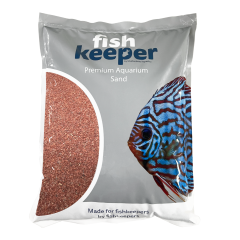
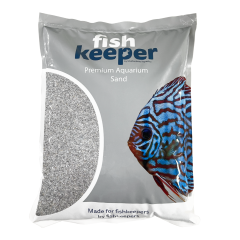
Fishkeeper Premium Aquatic Sand “Clay” for Planted and Community Aquariums
Fishkeeper Premium Aquatic Sand “Clay” is a fine-grain aquarium substrate designed for Canadian fishkeepers who want a natural, plant-friendly floor in freshwater tanks. It suits planted aquascapes, shrimp tanks, and community setups where soft-rooted plants and bottom-dwelling fish need a stable, gentle surface. This product description explains what the sand is, who it is for, how to use it, and what to expect so you can decide whether it belongs in your next build.
If you keep live plants or bottom feeders, the substrate is more than decoration. It anchors roots, buffers the look of the tank, and influences water clarity. Fishkeeper Premium Aquatic Sand “Clay” targets hobbyists who want a clay-toned, nutrient-friendly base that reads as natural rather than artificial.
What Is Fishkeeper Premium Aquatic Sand “Clay”?
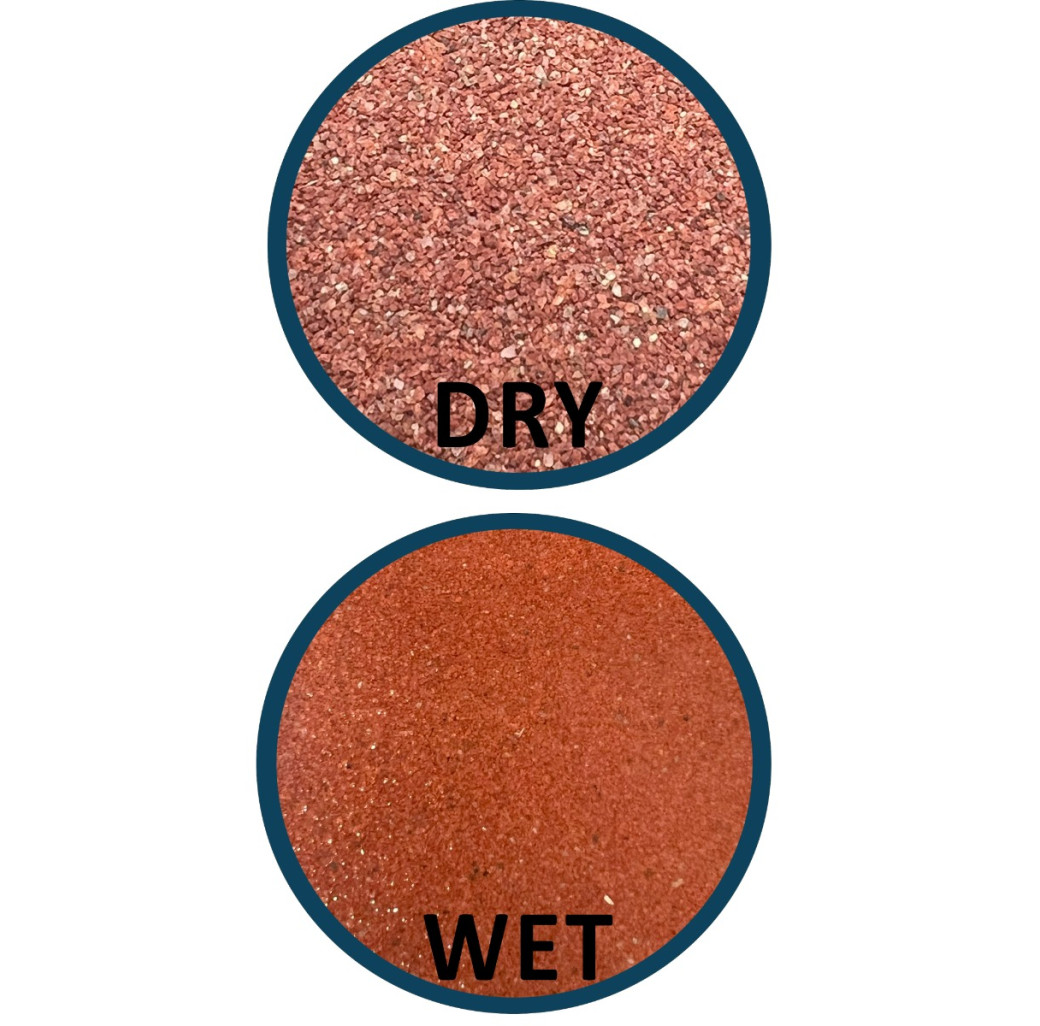
This is a fine-grained freshwater substrate with a warm clay-brown tone. The colour mimics natural riverbeds and planted biotopes, so it blends well with driftwood, stones, and green foliage. Unlike coarse gravel, the fine particles create a smooth surface that is easier on the barbels of corydoras and loaches.
The “Clay” name refers to the earthy colour and the mineral-rich character many aquascapers associate with clay-based substrates. It is intended for freshwater aquariums, including planted tanks, shrimp colonies, and soft-water community setups. It is not a marine substrate, and it is not a replacement for a dedicated plant fertiliser routine.
Grain Size and Texture
- Fine grain: Lightweight particles that settle into a natural bed.
- Soft surface: Suitable for catfish, loaches, and dwarf shrimp.
- Natural tone: A clay-brown base that makes green plants and red fish colours stand out.
What It Is Not
This sand is not a buffering agent that will dramatically shift pH on its own, and it is not a cichlid-specific substrate for hard-water African tanks. It is a decorative and functional base layer, not a complete nutrient system. Combining it with root tabs gives planted tanks the best results.
Who Should Choose This Aquarium Sand?
The best fit is the planted-tank keeper who wants a natural floor without going full aquasoil. If you grow Amazon swords, cryptocorynes, or carpeting plants, a fine substrate lets roots spread and anchor. Shrimp breeders also benefit, because the smooth surface supports grazing behaviour.
Community fishkeepers with corydoras, kuhli loaches, and plecos will find the soft texture reduces the risk of barbel damage that sharp gravel can cause. It also suits low-tech setups where the goal is a clean, natural look rather than high-demand plant growth.
Great for Planted Tanks
Plant roots move more easily through fine sand than through chunky gravel. Once established, a sand bed holds root systems in place and supports healthy growth when paired with a sensible fertiliser schedule. Use root tabs for heavy root feeders and a liquid fertiliser for water-column plants.
Great for Shrimp and Bottom Dwellers
Dwarf shrimp forage across the surface, picking at biofilm and leftover food. Bottom-dwelling fish sift the sand gently. The clay-brown tone also gives shrimp and small fish a natural background that reduces stress and shows off their colour.
How to Use Fishkeeper Premium Aquatic Sand “Clay”
Setting up a sand substrate is straightforward, but a few steps protect your water clarity. Rinse the sand thoroughly before adding it to the tank. Fine particles can cloud the water if they are not washed first.
- Rinse in small batches. Place sand in a bucket, add water, stir, and pour off the cloudy water. Repeat until the water runs mostly clear.
- Add a base layer if you keep heavy root feeders. A thin nutrient layer under the sand helps plants, then cap it with the clay sand.
- Pour gently. Lower the sand with a cup or plate to reduce disturbance and dust.
- Fill the tank slowly. Use a plate or sponge to diffuse the water flow and prevent a dust cloud.
- Plant and cycle. Plant before livestock arrives, then complete the nitrogen cycle before adding fish.
Maintaining a Sand Substrate
Sand compacts over time, so gentle vacuuming during water changes keeps it healthy. Lightly stir the surface to release trapped gas and prevent anaerobic pockets. Avoid deep, aggressive digging around plant roots. A thin layer is easier to maintain than a very deep bed.
Rinsing and Cloudiness Tips
Some initial cloudiness is normal for fine sand. If the water stays murky, run filter floss or a fine mechanical pad and give the tank time to clear. Do not over-rinse to the point of stripping fine particles, which can waste material.
Why Choose a Clay-Toned Sand Over Gravel?
Gravel is easy to clean, but it can trap debris and irritate bottom feeders. Fine sand looks more natural and supports rooting plants better. For Canadian hobbyists building a biotope or nature-style aquascape, the clay tone adds warmth that grey gravel cannot match.
Sand also reflects light differently. It creates a bright, open floor that makes small fish and shrimp visible. Combined with good lighting, the result is a planted tank that looks established and calm.
Tank Setup and Compatibility Considerations
Think about your long-term plan before you commit to a substrate. If you want a low-maintenance community tank, a modest sand layer is enough. If you plan a dense planted aquascape, depth and nutrient layering matter more. Match the substrate to your goals so you avoid a full teardown later.
Pairing With Filters and Water Flow
Sand is light, so strong outflow can push it around. Position filter returns to avoid blasting the surface, and use a diffuser if needed. This keeps the bed level and prevents bald patches near the intake.
Compatible Livestock
Most freshwater community species do well on fine sand. Avoid keeping burrowing species with very shallow beds, and watch that fish do not uproot newly planted stems. Snails and shrimp are excellent cleanup crew members and graze across the surface.
Water Parameters
Sand itself is generally inert in terms of major water chemistry, though mineral content can vary by product. Test your water regularly for pH, hardness, and ammonia during the cycle. Never rely on substrate alone to control parameters.
Where to Buy Fishkeeper Premium Aquatic Sand “Clay” in Canada
This substrate is sold for the Canadian freshwater market, so availability may vary by retailer. Check your local fish store or an online aquarium supplier before planning a large build. Buying enough for the full footprint at once keeps the colour and texture consistent across the tank.
For a rough guide, a planted tank usually needs a layer deep enough to root plants, while a shrimp or community tank can use a thinner bed. Measure your tank footprint before ordering. If you are comparing options, it helps to read independent references on aquascaping and substrate before you buy.
Common Questions About Fishkeeper Premium Aquatic Sand “Clay”
Is this sand suitable for a planted aquarium?
Yes. It works as a base substrate for rooted plants, especially when combined with root fertiliser tablets for heavy feeders.
Will it change my pH?
It is generally considered inert, but mineral content can vary. Test your water and monitor pH if you keep sensitive species.
How much sand do I need?
It depends on tank size and desired depth. Measure your tank footprint and aim for a layer deep enough to hold plant roots.
Does it need rinsing before use?
Yes. Rinse in batches until the water runs mostly clear to reduce cloudiness when you fill the tank.
Can I use it with corydoras and loaches?
Fine, smooth sand is a good match for bottom-dwelling fish. It reduces the risk of barbel irritation compared with sharp gravel.
How do I clean a sand substrate?
Use a gentle gravel vacuum during water changes and lightly stir the surface to prevent compacted, gas-trapping pockets.
Be the first to review “Fishkeeper Premium Aquatic Sand “Clay””
Related products
Aquarium Products Decors
Aquarium Products Decors
Aquarium Products Decors

Aquarium Products Decors
Aquarium Products Decors
Aquarium Products Decors
Aquarium Products Decors
Aquarium Products Decors
Reviews
There are no reviews yet.