
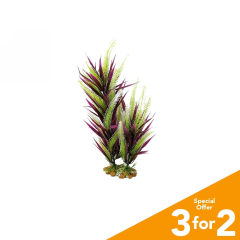
Classic Plastic Aquarium Plant (Large) — Light Green & Purple Hedge
Looking for a low-maintenance way to add height, color, and cover to a freshwater tank? The Classic Plastic Aquarium Plant (Large) in Light Green & Purple Hedge is a ready-to-drop-in artificial plant built for hobbyists who want instant aquascaping impact without the lighting, fertilizing, or pruning demands of live plants. It combines soft light-green foliage with purple hedge-style tips, giving you a natural color contrast that works in both beginner and established setups.
This is a single large plastic aquarium plant designed to serve as a background or mid-ground accent. It needs no substrate rooting, no CO2, and no dedicated plant lighting to hold its color. If you want a reliable decorative plant that won’t melt, yellow, or get uprooted by digging fish, this is a straightforward choice.
What This Plant Is
The Classic Plastic Aquarium Plant is a silk-style artificial plant (soft plastic foliage on a weighted base) manufactured to mimic the look of a dense, bushy hedge. The light green body of the plant reads as natural aquatic foliage, while the purple tips add a cultivated, ornamental accent. It falls under the broader category of plastic vs. live aquarium plants discussed in freshwater aquascaping guides, and it is intended for fully submerged use in freshwater aquariums.
It is sized as a “large” specimen, meaning it is intended to occupy visual space and provide vertical structure rather than act as a tiny accent sprig. Exact height and footprint should be confirmed against the retailer’s listed dimensions before purchase, as “large” varies between product lines.
Key Features at a Glance
| Feature | Detail |
|---|---|
| Type | Artificial (plastic/silk-style) aquarium plant |
| Color | Light green foliage with purple hedge tips |
| Size class | Large |
| Placement | Mid-ground to background |
| Water type | Freshwater |
| Maintenance | Rinse periodically; no lighting or fertilization required |
| Base | Weighted base for stability |
| Best for | Low-tech tanks, beginners, quarantine/hospital tanks, fish that dig |
Why Choose a Plastic Plant Over a Live One
Artificial plants solve specific problems that live plants can create, and this large hedge plant is aimed squarely at those situations.
No Lighting or Nutrient Requirements
Live plants often need a specific light spectrum, photoperiod, and fertilizer routine to thrive. A plastic plant delivers consistent color and shape regardless of your lighting setup. If your tank runs a basic LED hood or you keep the lights on a simple timer, this plant will look the same on day one and day three hundred.
Stable Structure in Tanks With Digging Fish
Fish like cichlids, loaches, and goldfish frequently uproot live plants or nibble them down to stems. Because this plant has a weighted base rather than a root system, it resists being dislodged and won’t be eaten. It’s a practical pick for tanks where live plants consistently fail for behavioral rather than water-quality reasons.
Useful in Quarantine and Hospital Tanks
Quarantine and hospital tanks are often stripped bare for easy cleaning and medication dosing. A removable plastic plant like this one adds visual cover that reduces fish stress without introducing a live plant that could carry pests, hitchhiking snails, or require specialized care during treatment.
Where to Place It in Your Aquarium
Placement determines whether an artificial plant looks natural or obviously fake. A few practical rules:
- Use it as a background or corner anchor. Large hedge-style plants are most convincing when they frame the tank and hide equipment like heaters or filter intakes.
- Group it with other plants. A single large plastic plant can look isolated. Pair it with additional artificial or live plants of similar scale for a fuller aquascape.
- Vary the height. Sink the base fully into the substrate or rest it on the glass bottom, and stagger it against shorter plants so the purple tips sit at a different level than neighboring foliage.
- Mind the flow. Strong filter output can shift lightweight décor over time. Tuck the plant in a lower-flow corner or secure it behind hardscape.
Mixing Plastic and Live Plants
You don’t have to choose one or the other. Many hobbyists use plastic plants as structural filler — filling gaps where live plants are slow to grow in, or adding color where a specific live species won’t survive. This plant’s purple accent works well alongside green live plants such as java fern, anubias, or cryptocoryne, where it adds contrast without competing for nutrients.
Care and Maintenance
One of the main advantages of this plant is how little it asks of you.
- Rinse before first use. Rinse the plant under warm water to remove dust or manufacturing residue before placing it in the tank.
- Wipe periodically. Over time, algae and biofilm can coat the leaves. Remove the plant and gently wipe the foliage with a soft cloth or a diluted aquarium-safe cleaning method, then rinse thoroughly before returning it to the tank.
- Check the base. Confirm the weighted base is intact and sitting flat so the plant stays upright.
- Inspect for sharp edges. Artificial plants should be checked for rough or sharp plastic that could injure fish with delicate fins or barbels. If edges are sharp, this plant may not be suitable for species prone to grazing on foliage.
Safety and Suitability Notes
- Intended for freshwater aquariums. If you plan to use it in a brackish or marine setup, confirm with the retailer that the materials are rated for that use.
- Not a food source. Unlike live plants, it provides no nutritional or water-quality benefit. It is decorative and structural only.
- Not a substitute for hiding spots in tanks that need caves or dense cover for breeding or territory. It provides visual cover and shade, not a true cave.
- Editorial review note: Specific material composition, exact dimensions, and any manufacturer safety claims should be verified against the product listing, as these details vary by supplier and batch.
Frequently Asked Questions
Is this plant safe for all fish? For most community fish, yes. However, fish with very delicate fins or bottom-dwelling species that root through foliage should be checked against any sharp plastic edges. Inspect the plant before adding it to your tank.
Does it need special lighting? No. Unlike live plants, it does not require a specific light spectrum or photoperiod to keep its color.
Will it float? No. It has a weighted base designed to keep it submerged and upright. If it does float, check that the base is fully intact.
Can I use it in a betta tank? Yes, provided the foliage doesn’t have sharp edges that could tear fins. Many betta keepers use artificial plants for cover and resting spots.
Does it help water quality? No. Plastic plants do not consume nitrates or produce oxygen the way live plants do. They are decorative only.
How do I clean it? Remove it from the tank, rinse with warm water, and gently wipe away algae or debris. Avoid harsh chemicals, and rinse thoroughly before returning it to the aquarium.
Can I mix it with live plants? Absolutely. Many aquascapers use artificial plants as filler and color accents alongside live species.
Is this a good choice for beginners? Yes. It requires no plant care knowledge, no specialized equipment, and holds its appearance indefinitely, making it a low-risk way to add structure to a first tank.
Quick Takeaways
- Large artificial hedge plant in light green with purple tips, built for freshwater aquariums.
- Zero maintenance compared to live plants — no lighting, CO2, or fertilizer needed.
- Weighted base keeps it stable in tanks with digging or nippy fish.
- Best used as a background or corner accent, ideally grouped with other plants for a natural look.
- Decorative only — it does not improve water quality or feed fish.
- Verify dimensions and materials against the retailer listing before buying, since “large” and material specs vary by supplier.
If you want instant height, color contrast, and cover without the upkeep of live plants, this Classic Plastic Aquarium Plant in Light Green & Purple Hedge is a practical, low-risk addition to a freshwater tank — particularly for beginners and for setups where live plants have repeatedly failed.
Discover more freshwater plant and aquascaping guidance at Canadian Aquarist.
Be the first to review “Classic Plastic Aquarium Plant (Large) – Light Green & Purple Hedge”
Related products
Aquarium Products Decors
Aquarium Products Decors
Aquarium Products Decors
Aquarium Products Decors
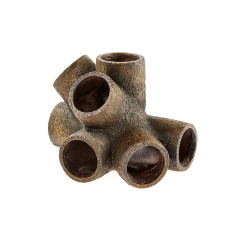
Aquarium Products Decors
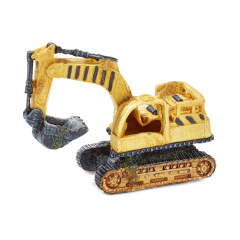
Aquarium Products Decors
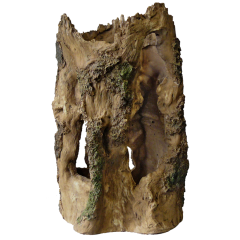
Aquarium Products Decors
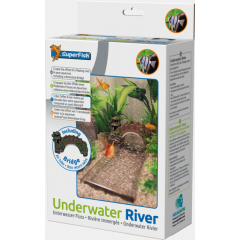
Aquarium Products Decors
Reviews
There are no reviews yet.