

How to Buy Zoanthus sp. Bronze Eye in Canada: A Practical Collector’s Guide
If you are looking to buy Zoanthus sp. Bronze Eye in Canada, you are after a small, hardy colonial polyp prized for its bronze-centered oral disc and contrasting skirt. This guide explains what the coral is, how to judge a healthy frag, what to check before ordering livestock online, and how to settle it into a Canadian reef system. It also covers shipping realities, pricing expectations, and the equipment decisions that keep zoanthids thriving.
The audience here is practical: Canadian reef keepers who already run a saltwater tank or are scaling up, and who want clear buying criteria rather than vague hype. Zoanthus are beginner-friendly relative to many corals, but “easy” still depends on water quality, lighting, and how the specimen was handled before it reached your door.
What Zoanthus sp. Bronze Eye actually is
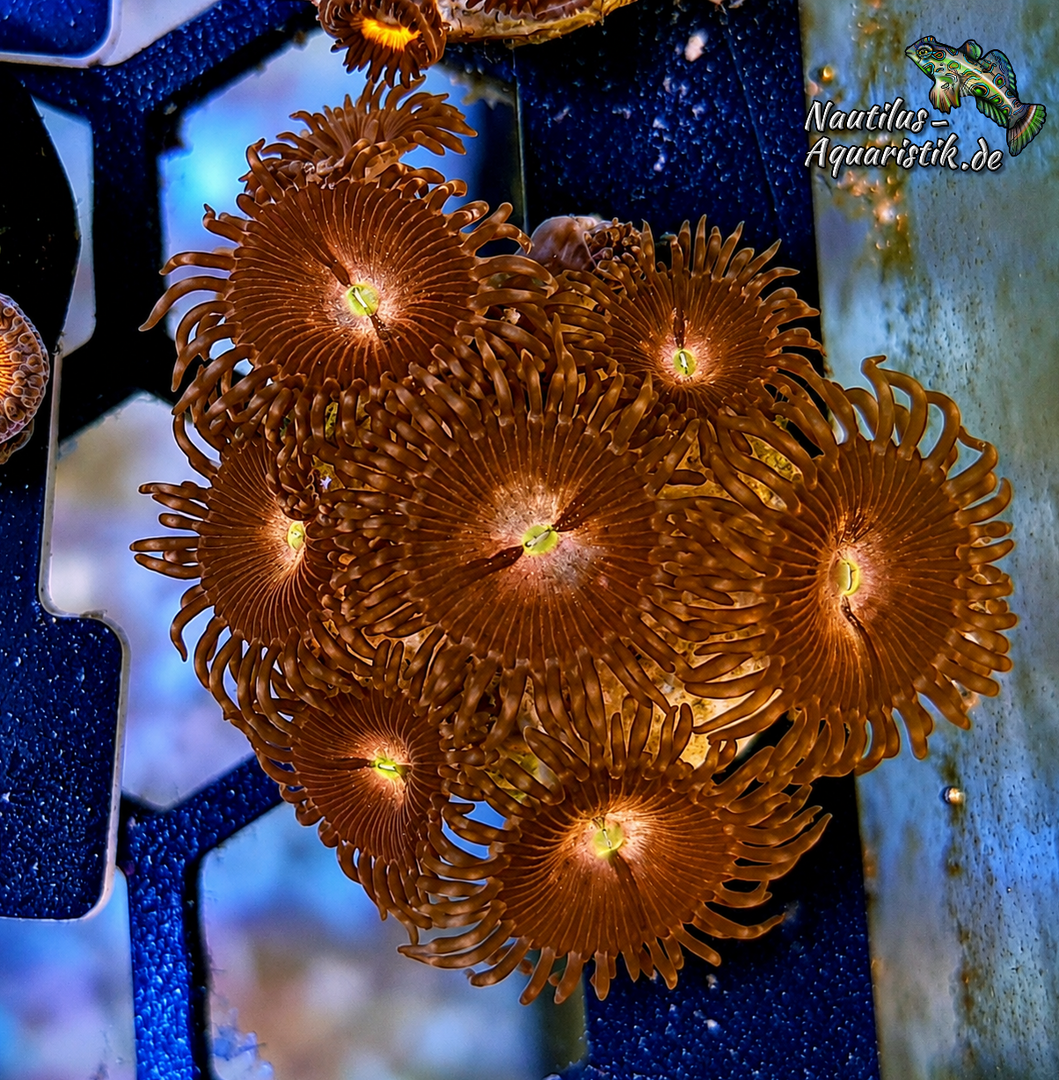
Zoanthus is a genus of colonial zoanthid polyps found across shallow Indo-Pacific reefs. The “Bronze Eye” trade name is a color morph description, not a separate species: polyps typically show a bronze or copper-toned center surrounded by a contrasting skirt of green, brown, or blue depending on lighting and lineage.
Individual polyps sit on a fleshy mat and grow outward into a spreading colony. That growth habit makes them popular for rockwork edges and lower-light zones, and it also means a single frag can become a sizeable patch within a season under good conditions. Identify the morph by looking at the oral disc coloration and skirt pattern under neutral lighting, since heavy blue actinic light can exaggerate colors that look different at home.
Zoanthus vs. Palythoa: a quick distinction
Both are zoantharians, but Palythoa polyps are generally larger with a heavier, sand-encrusted base. Palythoa species can carry higher concentrations of palytoxin, a potent marine toxin, so handle all zoanthids with gloves and eye protection and never expose them to heat, cuts, or aerosolized water. Treat every frag as potentially toxic and work with ventilation.
Why Canadian reefers choose this morph
Bronze Eye zoanthids offer a strong color-to-cost ratio, tolerate a range of lighting from moderate to fairly bright, and accept target feeding or rely largely on photosynthesis via their symbiotic zooxanthellae. They suit mixed reefs, nano tanks, and larger systems alike.
Their main limitation is spread. Given ideal conditions, zoanthids can overgrow adjacent rock and crowd slower corals, so plan placement with a natural barrier of sand or bare rock. They are also sensitive to sudden salinity or alkalinity swings, which matters more than absolute parameters.
Before you buy: checks that separate good sellers from risky ones
Buying coral online in Canada means trusting a vendor’s husbandry before you see the animal. Use the same discipline you would apply when you buy aquarium products in Canada for any livestock purchase.
Ask about holding time and pest history
A frag that has been in the vendor’s system for weeks is generally more stable than one shipped straight from an import. Ask whether the colony was dipped, whether the system has a history of zoanthid-eating nudibranchs, and how long the frag has been mounted and healing.
Confirm shipping method and season
Canada’s winters and summer heat both stress livestock in transit. Reputable sellers use insulated boxes, heat or cold packs, and next-day or express service where available. Avoid ordering during extreme weather windows or when you cannot be home to receive the package.
Check livestock and import rules
Coral imports and sales fall under federal and provincial rules, and some species or sources require permits. Confirm the vendor holds appropriate authorization and provides documentation. For aquarium keeping basics and species care references, the Government of Canada fisheries pages and Wikipedia’s overview of Zoanthus are useful starting points, though neither substitutes for vendor transparency.
Setting up the right system first
Zoanthids do not need a dedicated tank, but they do need stable water. Aim for a mature, cycled system with consistent salinity around 1.024–1.026 specific gravity, alkalinity in the 7–9 dKH range, and nitrates detectable but low. Temperature should sit near 25–26 °C.
Lighting matters for color: too little and polyps stretch and dull; too much and they may bleach or retract. Moderate placement in the lower to middle third of the rockwork is a safe starting point, then adjust based on polyp expansion over two to three weeks. Flow should be gentle and indirect, enough to keep detritus moving without blasting the polyps closed.
If you are still planning the display, compare tank sizes and filtration options before committing — our guide to buying fish tanks in Canada covers system selection for both nano and larger reefs. Keep in mind that zoanthid colonies need stable rockwork rather than loose frag plugs, since plugs tend to shift and tip.
Acclimation steps
- Float the bag to equalize temperature, then drip-acclimate over 30–45 minutes.
- Dip the frag according to a coral dip’s instructions to reduce pest risk.
- Place it low in moderate flow for the first week, then move gradually to its target spot.
- Leave it undisturbed; frequent repositioning delays settling.
Placement, tank mates, and compatibility
Bronze Eye zoanthids pair well with soft corals, LPS corals, and peaceful fish, but large angelfish and some butterflyfish may nip polyps. If you also keep larger predatory species — a common interest among keepers who buy monster fish in Canada — remember that big fish mean big bioload, and coral health depends on keeping nutrients and flow balanced.
Keep zoanthids away from aggressive sweepers such as some Euphyllia and from fast-growing encrusting corals that will compete for the same rock. A dedicated “zoa garden” rock isolates spread and makes fragging easier later.
Shipping, pricing, and what to expect in Canada
Frag prices vary widely by vendor, size, and colony quality, and no single figure applies nationally. Expect to pay more for multi-polyp frags, established aquacultured pieces, and express shipping. Local pickup from a Canadian vendor avoids transit risk entirely and is often the better choice for a first coral purchase.
Inspect livestock on arrival before adding it to the display. Photograph the bag and polyps immediately; most sellers require notification within a short window if something is wrong. Quarantine new frags in a separate system if you can, especially when adding to an established reef.
Common mistakes to avoid
Over-lighting a new frag is the most frequent error, followed by placing it in direct, high-flow positions that keep polyps closed. Skipping a coral dip invites pests, and rushing acclimation causes unnecessary stress. Finally, avoid adding zoanthids to a brand-new tank; let the system mature and stabilize first.
Frequently asked questions
Is Zoanthus sp. Bronze Eye suitable for beginners?
Generally yes, provided the tank is cycled and stable. They tolerate a wider range of conditions than many stony corals, but they still need consistent salinity, alkalinity, and temperature.
How fast do Bronze Eye zoanthids spread?
Growth depends on feeding, light, and water chemistry. Under good conditions, colonies expand steadily across adjacent rock within weeks to months, which is why isolation rockwork is useful.
Are zoanthids dangerous to handle?
Many zoantharians, especially Palythoa, can contain palytoxin. Wear gloves and eye protection, avoid handling frags with bare hands, and never boil or scrub rocks that may carry the toxin.
Can I buy Zoanthus sp. Bronze Eye in Canada year-round?
Availability fluctuates with imports and aquacultured supply, and cold or extreme heat can pause shipping. Ordering from a Canadian vendor with established holding systems usually improves the odds of a healthy arrival.
What lighting brings out the best bronze coloration?
Moderate, stable lighting with a balanced spectrum tends to preserve the bronze oral disc. Very intense light can cause paling, so observe polyp expansion and adjust gradually.
Do zoanthids need target feeding?
They gain most nutrition from their symbiotic algae but accept small meaty foods. Occasional feeding supports growth without requiring daily effort.
Be the first to review “Buy Zoanthus sp. Bronze Eye Canada”
Related products
Newest Products
Newest Products


Newest Products
Newest Products

Newest Products

Newest Products

Newest Products
Newest Products
Reviews
There are no reviews yet.