
Buy Zoanthid Coral Fire and Venom: A Canadian Reef Keeper’s Guide
If you are looking to buy Zoanthid Coral Fire and Venom, you are probably drawn to one of the hobby’s most striking soft corals — a vivid colony that adds instant colour to a reef tank. These two popular Zoanthus varieties are closely related in appearance and care needs, which makes them a favourite pairing for Canadian reef keepers building a colourful, low-maintenance display. This guide covers what they are, how to keep them healthy, and what to check before you add new livestock to your reef setup.
What Are Fire and Venom Zoanthids?
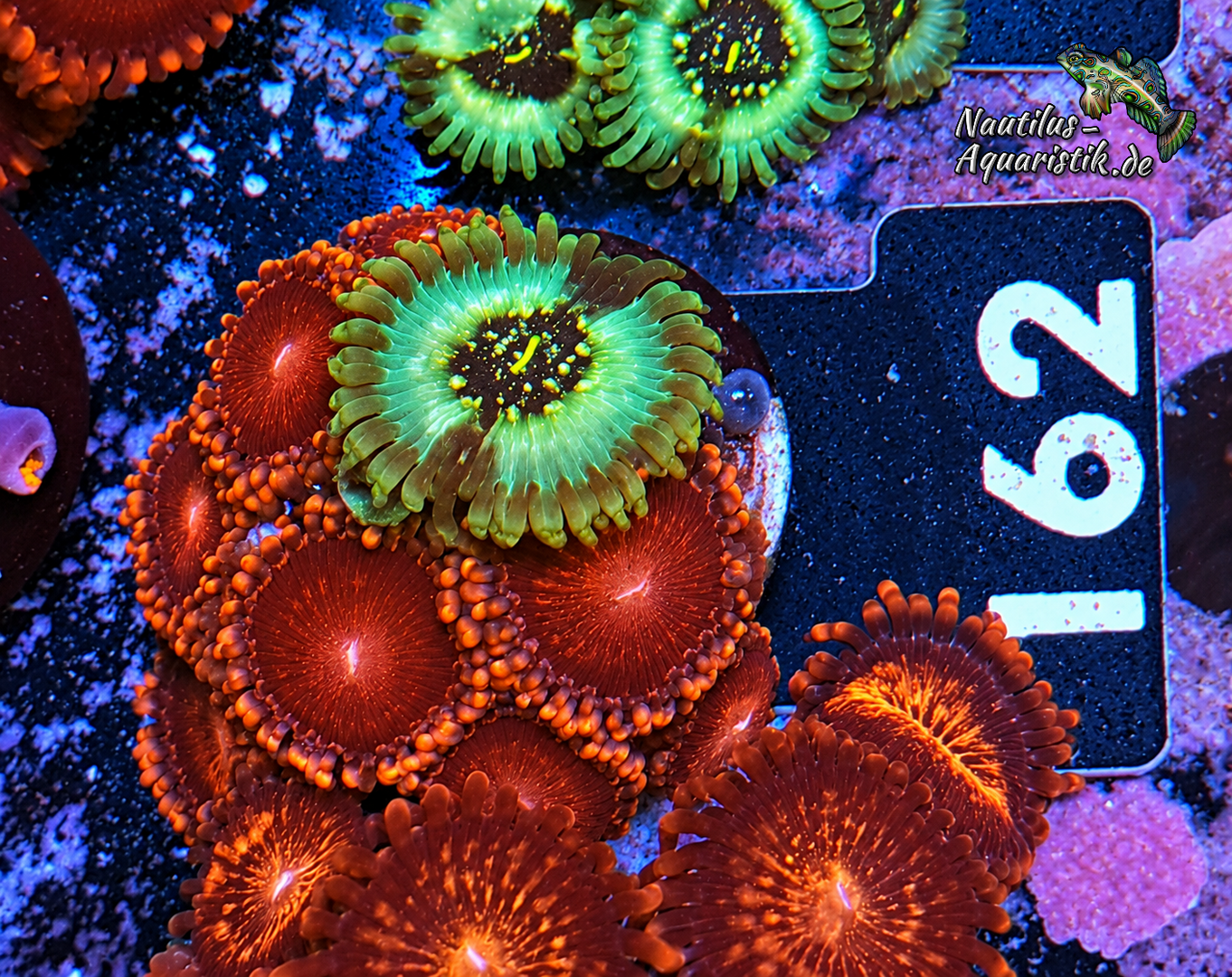
Fire and Venom are trade names for colour-morph zoanthid polyps. Fire typically shows a bright orange-to-red centre with contrasting skirts, while Venom usually displays green or teal tones with darker centres. Colour can shift under different lighting, so treat photographs as a guide rather than a guarantee.
Both are colonial soft corals. Individual polyps grow on a mat, and a healthy frag will multiply into a spreading carpet over time. Their compact size and hardy nature make them a practical choice for beginners and experienced aquarists alike.
Fire vs. Venom: Key Differences
The main difference is colouration and growth habit rather than care requirements. Fire morphs tend to be sought for warm red and orange contrast, while Venom is prized for green and blue accents. Growth speed varies by colony, lighting, and feeding. Neither variety should be handled bare-handed, as zoanthids contain palytoxin — a serious toxin discussed below.
Why Canadian Reef Keepers Choose Zoanthids
Zoanthids suit the Canadian hobby well. Because many aquarists run smaller indoor systems through long winters, a fast-spreading, colourful coral offers great value per dollar. They tolerate a range of conditions and do not demand the intense lighting or precise dosing that stony corals require.
They also work well as a “gap filler,” softening the transition between rockwork and substrate. If you are stocking a new display, pairing these corals with hardy aquarium products available in Canada helps you set up stable water parameters from the start.
Zoanthid Coral Care Requirements
Fire and Venom are forgiving, but “easy” does not mean “ignore.” Aim for stable parameters and moderate conditions.
Water Parameters
Target salinity around 1.024–1.026 specific gravity, temperature of 24–26°C, and alkalinity in the roughly 8–9 dKH range. Keep nitrates and phosphates detectable but low. Stability matters more than chasing perfect numbers.
Lighting and Flow
Moderate lighting suits most zoanthids, and they often colour up best under a mix of blue and white. Provide gentle to moderate indirect flow; direct blasts can close polyps and discourage growth. Place frags low to mid-tank first, then raise them once they settle.
Placement and Spacing
Zoanthids spread aggressively. Isolate them on their own rock island if you want to protect neighbouring corals. Give them room to expand without overgrowing prized specimens.
Feeding
They gain most energy from light and dissolved nutrients, but occasional feeding of fine plankton or coral foods can boost growth. Overfeeding risks raising nutrients, so feed sparingly.
Safety: Handling Zoanthids Carefully
This is not a detail to skip. Zoanthids contain palytoxin, which can cause serious illness if it enters cuts, eyes, or is inhaled as aerosol. Never boil, scrub, or frag zoanthid rocks. Wear gloves and eye protection, wash hands afterwards, and keep children and pets away from handling. For authoritative safety context, review general guidance on marine toxin hazards from the CDC.
Buying Zoanthid Coral Fire and Venom in Canada
When you buy Zoanthid Coral Fire and Venom in Canada, buy from a reputable supplier with healthy, pest-free colonies. Inspect frags for nuisance algae, aiptasia, and closed or melting polyps before purchase. Ask how long the colony has been established and what lighting it grew under.
What to Expect from a Healthy Frag
A good frag shows open polyps, strong colour, and a clean plug or rock. Avoid colonies with white, shrinking tissue or a foul smell. Quarantine new arrivals for a few weeks if you can, and dip them according to a trusted coral dip protocol.
Setting Up Your Tank First
If this is your first reef, sort out your system before livestock. You can explore options to buy fish tanks online and cycle the tank fully before adding corals. A stable, seasoned system gives zoanthids the best chance to thrive.
Building a Canadian Reef Community
These corals shine as part of a broader community. Depending on tank size, keepers also look to buy fish for aquarium displays, or venture into larger predators when they buy monster fish in Canada. Match livestock to your system’s volume and filtration rather than impulse.
Zoanthids coexist with many peaceful fish and invertebrates. Just avoid known polyp nippers and keep an eye on any angelfish or butterflyfish. A well-planned indoor aquarium in Canada can support a colourful, low-stress community for years.
Cost, Value, and Growth
Fire and Venom are often priced by the polyp or frag. Because they multiply, they offer long-term value — a modest purchase can grow into a large colony. Share or trade excess frags with local reef clubs to offset costs and connect with the community.
Common Mistakes to Avoid
New keepers often place zoanthids in too much direct flow, skip quarantine, or handle them without protection. Others chase rapid growth by overfeeding, which fuels algae. Slow, stable care produces the best colour and spread.
FAQ
Are Fire and Venom Zoanthids good for beginners?
Yes. Both are hardy soft corals that tolerate a range of conditions, provided water parameters stay stable and polyps are handled safely.
How fast do they grow?
Growth varies with lighting, feeding, and water quality. Many colonies spread steadily once settled, often visible over weeks to months.
Are zoanthids dangerous to touch?
They contain palytoxin. Wear gloves and eye protection when handling, never boil or scrub the rock, and wash hands thoroughly afterwards.
What lighting do they need?
Moderate lighting with a blue-and-white mix works well. Acclimate new frags to lower light first, then move them higher.
Can I keep them with other corals?
Yes, but isolate them because they spread quickly and can overgrow neighbours. Give them their own space on the rockwork.
Where can I buy them in Canada?
Source from reputable Canadian reef suppliers and inspect frags carefully. Quarantine new corals and confirm they grew under conditions similar to your tank.
Be the first to review “Buy Zoanthid Coral Fire and Venom”
Related products
Newest Products

Newest Products
Newest Products
Newest Products
Newest Products
Newest Products
Newest Products
Newest Products
Reviews
There are no reviews yet.