
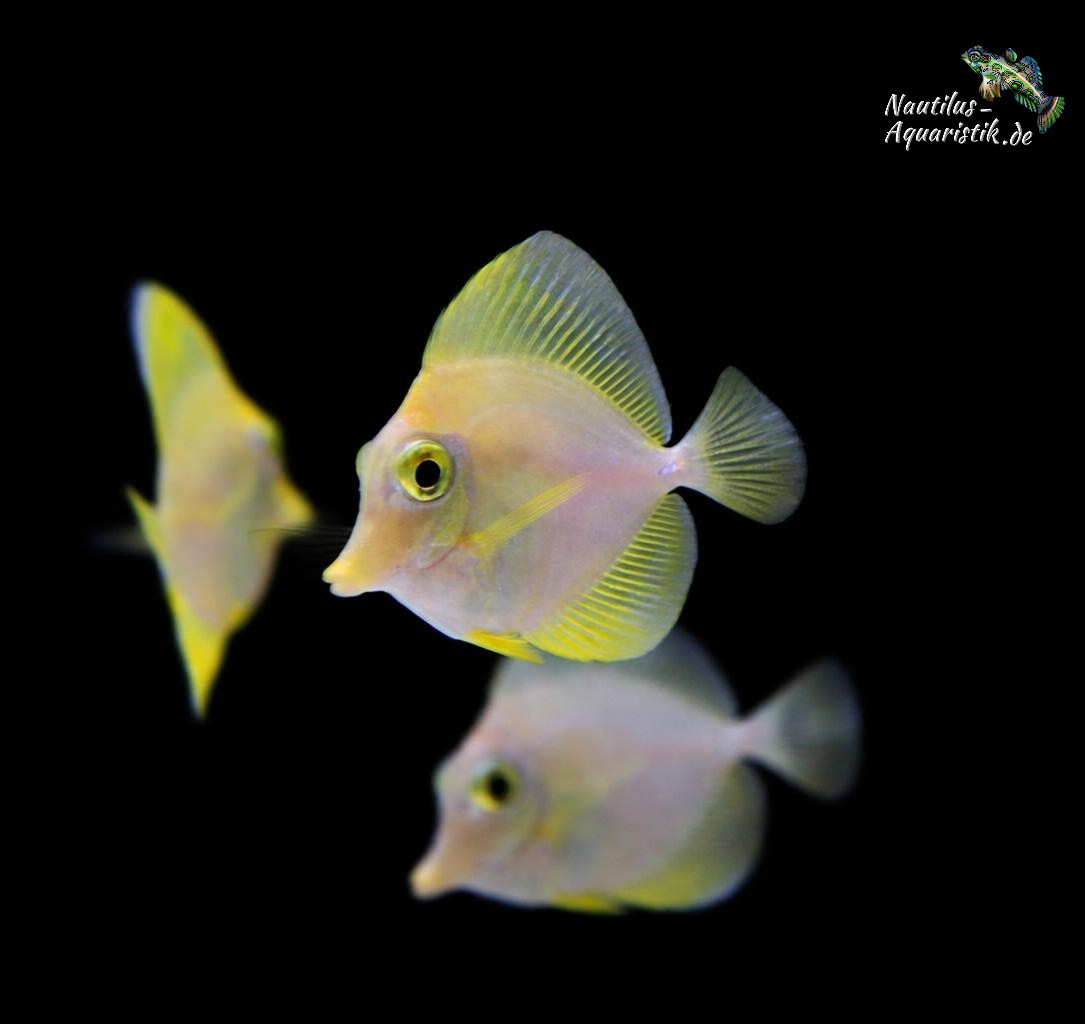
Buy Yellow Tang Online: A Canadian Reefer’s Guide to Getting It Right
Thinking about trying to buy Yellow Tang online in Canada? You’re not alone. The Yellow Tang (Zebrasoma flavescens) is one of the most recognizable marine fish in the hobby, and plenty of Canadian aquarists want one in their saltwater setup. But buying a live marine fish online is not the same as ordering a filter or a bag of substrate. This guide walks you through what to expect, what to check, and how to avoid the mistakes that cost fish their lives and buyers their money.
Before you click “add to cart,” it helps to understand where the fish comes from, what it needs, and what a reputable seller should be able to tell you. Approach the purchase with that context and your odds of success go up dramatically.
Why Yellow Tangs Are So Popular in Canadian Reef Tanks
The Yellow Tang earns its following honestly. It brings a bright, saturated yellow that contrasts beautifully against live rock and blue lighting, and it stays active throughout the day, grazing and swimming openly. That visibility makes it a favorite for the indoor aquarium in Canada crowd, where hobbyists often want movement and color in a display tank.
Hardy by marine standards, the species tends to adapt well to captivity when sourced and acclimated properly. It’s also a grazer, which means it contributes to algae control on rockwork. Those traits make it appealing to both newer saltwater keepers and experienced reefers.
What You Need to Know Before You Buy Yellow Tang Online
Pulling a marine fish off an e-commerce listing and into your tank takes planning. A few things separate a smooth purchase from a costly mistake.
Tank Size and Setup Requirements
Yellow Tangs are active swimmers and need room. A tank in the range of roughly 75 gallons (about 280 litres) or larger is commonly recommended for a single specimen, with more space for a larger fish or a mixed community. They also need established live rock, stable salinity, and mature biological filtration. A tank that’s only been running a few weeks is not ready.
Beginners often underestimate the cost and complexity of marine setups. If you’re still assembling your system, it’s worth looking at fish tanks for sale in Canada that are sized appropriately for marine livestock before you commit to a fish.
Sourcing and Collection Concerns
Wild-caught Yellow Tangs have historically dominated the trade. In recent years, Hawaii’s aquarium fishery has faced significant regulatory restrictions, which affects supply and price. Some sellers now offer aquacultured or captive-bred specimens, which are generally more sustainable but can cost more. Ask your seller directly about the fish’s origin, and be skeptical of anyone who can’t answer clearly.
What a Reputable Online Seller Looks Like
A trustworthy Canadian seller should offer live arrival guarantees, clear shipping policies, and details about acclimation and quarantine practices. Look for a business that publishes its livestock care standards rather than one that treats fish like generic inventory. Cross-check the seller’s reputation in Canadian hobby communities, and confirm they ship to your province with appropriate heat or cold packs for seasonal conditions.
Canada’s winters create real shipping risk. A fish shipped in January from a distant province needs insulated packaging and reliable courier timing. Ask about weather holds and whether the seller will delay shipment during extreme cold.
Setting Up Your Aquarium in Canada for a Yellow Tang
Getting the tank right matters more than the moment of purchase. Plan for these essentials before the fish arrives.
- Cycle the tank fully. Ammonia and nitrite should read zero before livestock goes in.
- Stabilize parameters. Consistent salinity, temperature, and pH matter more than chasing perfect numbers.
- Provide grazing surfaces. Live rock and algae growth give the tang natural foraging opportunities.
- Plan tank mates carefully. Tangs can be territorial, especially with other tangs or similarly shaped fish.
- Quarantine if possible. A separate observation tank reduces the risk of introducing disease to your display.
If you’re building a larger predator-focused system, be aware of compatibility. A Yellow Tang generally doesn’t belong in a tank stocked with monster fish in Canada, since large predatory species can stress or injure smaller reef fish. Match your livestock to your long-term plan, not just your current enthusiasm.
Buying Aquarium Supplies and Fish Tanks Online in Canada
The fish is only part of the equation. Salt mix, test kits, heaters, and filtration all matter for marine success. Buying aquarium products in Canada from domestic suppliers usually shortens shipping times, which matters for live goods and perishable supplies. Domestic shipping also avoids cross-border customs delays that can be fatal to a bagged fish.
When you buy fish tanks online, check the delivery method carefully. Glass tanks are heavy and fragile, so confirm the seller’s packaging and damage policy before ordering. For nano or quarantine setups, smaller tanks ship more safely than large display systems.
If you’re planning to buy fish for aquarium setups beyond the Yellow Tang, order livestock in stages. Adding too many fish at once stresses your biological filtration and increases disease risk.
Acclimating Your Yellow Tang After Delivery
The first 24 hours after arrival are critical. Float the bag to match temperature, then use drip acclimation to adjust salinity and pH gradually. Turn off bright lights during introduction to reduce stress. Watch the fish for the first week for signs of disease, and keep feeding light until it settles in.
Expect some hiding and reduced appetite initially. A healthy Yellow Tang should begin grazing within a few days. If it refuses food or shows labored breathing, act quickly.
Weighing the Benefits and Limitations
Benefits: striking color, active daytime behavior, useful algae grazing, and generally solid hardiness when sourced well.
Limitations: significant tank size requirement, territorial tendencies, sensitivity to poor water quality, and supply constraints tied to wild collection regulations. The fish is also a long-term commitment, with a natural lifespan measured in years to decades under good care.
None of these limitations should scare off a prepared aquarist. They should simply shape your expectations and your preparation.
FAQ
Can I legally buy a Yellow Tang in Canada?
Keeping Yellow Tangs is generally permitted for home aquarists in Canada, but import and supply rules around wild-caught Hawaiian fish have shifted in recent years. Ask your seller to confirm the fish’s legal origin and documentation.
Is a Yellow Tang good for beginners?
It can work for a beginner who has cycled and stabilized a marine tank of appropriate size. It’s not a good first fish in a brand-new setup, and it’s not suitable for small tanks.
How much should I expect to pay?
Prices vary widely by size, origin (wild or aquacultured), and seller, and they fluctuate with supply. Compare listings, but prioritize seller reputation over the lowest price.
Can Yellow Tangs be shipped in winter to Canada?
Many Canadian sellers ship year-round using insulated packaging and heat packs, but delays are riskier in extreme cold. Ask about weather holds and choose faster courier options.
Do Yellow Tangs need a quarantine tank?
Quarantine is strongly recommended for marine livestock. It protects your existing fish and lets you observe the new arrival for disease before introducing it to the display.
What should I feed a Yellow Tang?
They’re primarily herbivores. Offer marine algae sheets, spirulina-based foods, and a varied diet that supports grazing behavior. Confirm the seller’s current feeding regimen so you can continue it.
Be the first to review “Buy Yellow Tang Online”
Related products
Newest Products

Newest Products
Newest Products


Newest Products
Newest Products

Newest Products


Newest Products
Newest Products
Reviews
There are no reviews yet.