
Buy Mix Zoanthus Canada: A Practical Guide to Colourful Aquarium Mats
Mix Zoanthus colonies are among the most popular soft corals for Canadian reef keepers, and knowing how to buy them well matters more than chasing the lowest price. Zoanthus and Palythoa polyps form encrusting mats of small, vividly coloured heads that reward beginners and veterans alike. This guide explains what a “mix” usually contains, how to judge colony health before you buy mix Zoanthus in Canada, and how to settle them into a stable indoor aquarium in Canada.
If you are still planning your system, start with the Canadian aquarist equipment and livestock hub to match coral choices to your tank’s maturity and lighting. Zoanthids are forgiving, but they still need a cycled, stable environment before they thrive.
What “Mix Zoanthus” Actually Means
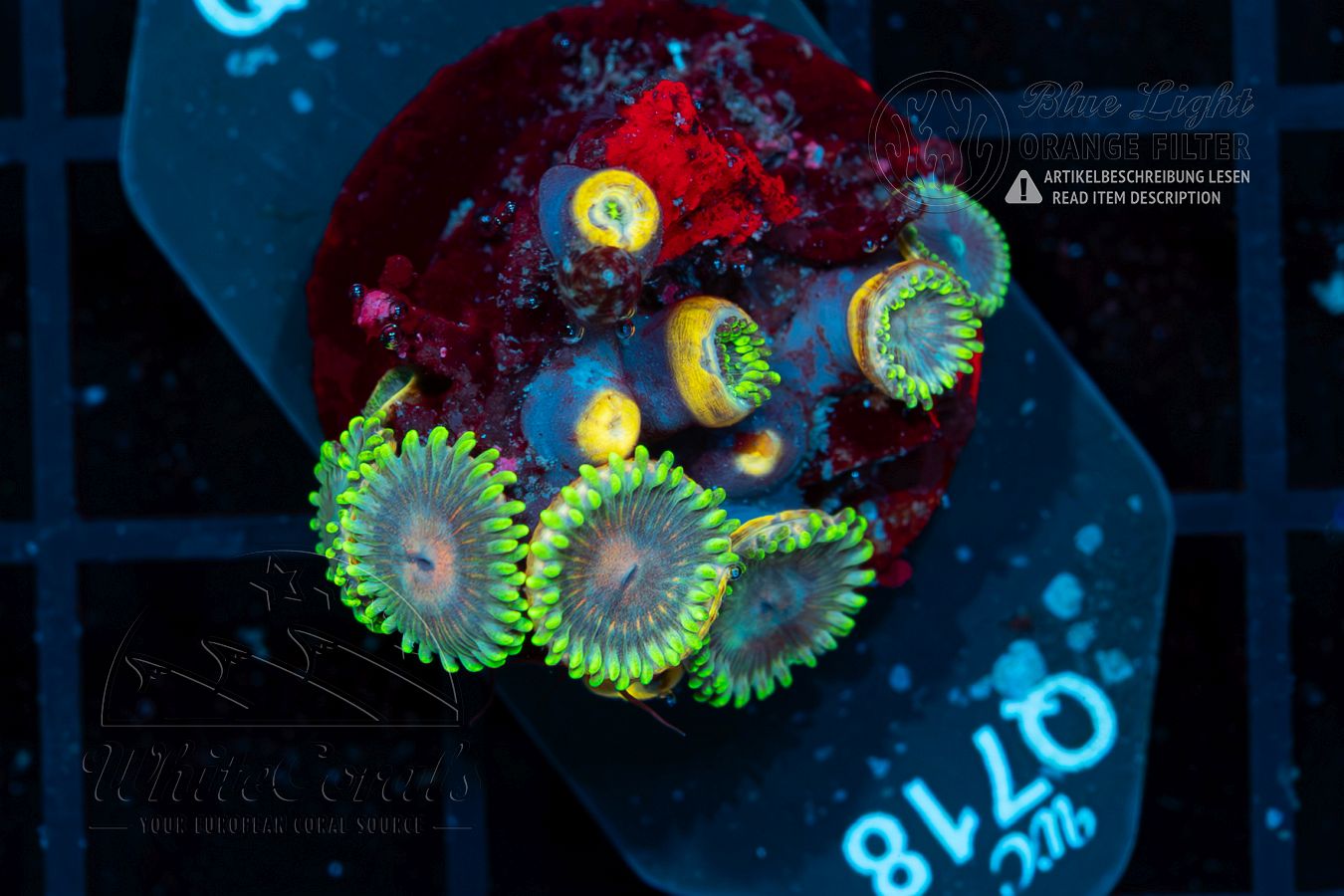
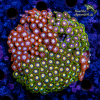
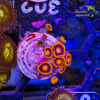
A mix Zoanthus listing is a frag or colony containing several colour morphs of the genus Zoanthus, sometimes with related Palythoa polyps included. Sellers use “mix” loosely, so ask for a photo of the exact piece you will receive rather than a representative image. Individual polyps stay small, often under two centimetres across, but a healthy colony spreads into a continuous mat over rock.
Colour morphs are trade names, not species. Names like “Radioactive Dragon Eye” or “Sunny D” describe appearance and are not scientifically regulated, so two sellers may label similar polyps differently. Judge the coral on visible health and colour under normal reef lighting, not on the label alone.
Zoanthus vs. Palythoa: Know the Difference
Both are zoanthids, but Palythoa polyps are generally larger and carry a stronger toxin called palytoxin. Handle any zoanthid with care: wear gloves, keep fragments out of open cuts, and never scrub colonies outside the tank where aerosolized toxin could be inhaled. Responsible sellers in Canada will mention this openly, and it is a fair question to ask before you buy.
How to Judge a Mix Zoanthus Colony Before You Buy
Healthy zoanthid polyps are open, evenly coloured, and firmly attached to their plug or rock. Look for these signals in listing photos and in person:
- Open polyps: most heads should be expanded, not tightly closed for the whole photo set.
- Clear colour: bright, saturated skirts and centres without bleaching or brown-out.
- Tight attachment: no loose polyps rolling around the bag or plug.
- Clean base: no visible algae smothering the mat, and no pests such as nudibranchs or sundial snails.
- Fresh cut edges: new fragging cuts should look clean, not mushy or receding.
Ask how long the colony has been settled. A frag that has grown onto its plug for several weeks is usually hardier than one cut the same day it ships. If you plan to buy fish for aquarium setups alongside corals, confirm the fish are coral-safe, since some species nip polyps.
Buying Mix Zoanthus in Canada: Shipping, Season, and Sellers
Canada’s climate shapes how livestock ships. Winter cold snaps and summer heat waves both stress corals in transit, so reputable sellers use insulated boxes, heat or cold packs, and hold shipments when conditions are extreme. Ask about the shipping method, the guarantee window, and whether delivery is to your door or a pickup point.
Provincial rules and courier policies vary, and some sellers restrict live arrivals to certain regions. Check the seller’s livestock policy before ordering, and confirm arrival times so someone can receive the box. For a broader view of sourcing, this guide to buying aquarium products in Canada covers what to look for in Canadian suppliers.
Online vs. Local Purchase
Buying online widens your choice of morphs, but local reef clubs and stores let you inspect polyps in person and avoid shipping stress. Many Canadian hobbyists do both: source rare morphs online and buy common mixes locally. Either way, quarantine new zoanthids in a separate system or dip them and observe for pests before adding them to a display.
Tank Requirements for a Thriving Zoanthid Mat
Zoanthids are adaptable, which makes them a good fit for a first reef or a mature indoor aquarium in Canada. They still need the basics done properly.
Lighting and Flow
Moderate lighting suits most mixes, and many colour morphs hold better colour under moderate-to-bright reef light. Start new frags lower in the tank and raise them gradually. Provide gentle, indirect flow; strong direct current can keep polyps closed, while stagnant water encourages algae over the mat.
Water Parameters and Placement
Aim for stable, reef-appropriate parameters rather than chasing exact numbers. Keep salinity steady, maintain natural seawater temperature, and avoid swings in alkalinity. Place zoanthids on isolated rock islands if you want to control their spread, because healthy mats will encrust bare surfaces and can overgrow nearby corals.
Compatibility and Growth Control
Zoanthids are generally peaceful but grow quickly and can crowd slower corals. Keep them away from prized acroporids and let them fill dedicated zones. If you keep larger, boisterous species, note that the same tank planning used when you buy monster fish in Canada applies in reverse for small reef fish: choose tankmates that will not disturb coral mats.
Setting Up the Right System First
Before livestock, get the hardware right. A cycled tank with reliable heating, a protein skimmer, and stable top-off makes coral keeping far easier. If you are shopping for a system, compare sizes and filtration before you buy fish tanks online, and confirm the seller supports Canadian warranty service. Beginners often do better starting with a modest tank and upgrading later than buying an oversized system they cannot maintain.
Acclimation and Aftercare
Float the bag to match temperature, then drip-acclimate or add small amounts of tank water over twenty to thirty minutes. Dip the frags according to the product instructions, place them low in gentle flow, and leave them undisturbed for several days. Closed polyps in the first week are normal. Feed sparingly with suitable coral foods, and watch for algae creeping onto the mat, which you can gently brush away.
Frequently Asked Questions
Are mix Zoanthus good for beginners?
Yes. They tolerate a range of conditions and grow readily, provided the tank is cycled and parameters are stable. Their main risks are pest hitchhikers, algae overgrowth, and careless handling.
How dangerous are zoanthids to handle?
Zoanthids, especially Palythoa, can contain palytoxin. Wear gloves and eye protection, avoid cutting or scrubbing them outside water, and keep them away from children and pets. Treat all colonies as potentially toxic.
How fast do zoanthid mats spread?
Growth varies by morph and conditions, but healthy colonies commonly add polyps steadily once settled. Isolate them on rock islands so they do not overgrow neighbouring corals.
Can I keep zoanthids with fish?
Many reef-safe fish ignore zoanthids, but some angelfish, butterflyfish, and certain wrasses may nip polyps. Research tankmates before buying, and quarantine new fish to reduce disease risk.
What should I check before buying mix Zoanthus in Canada?
Confirm the exact piece in photos, ask about shipping method and guarantees, and verify the seller follows safe fragging practice. Check arrival timing so someone can receive the shipment.
Be the first to review “Buy Mix Zoanthus Canada”
Related products
Newest Products
Newest Products
Newest Products
Newest Products
Newest Products
Newest Products
Newest Products
Newest Products
Reviews
There are no reviews yet.