
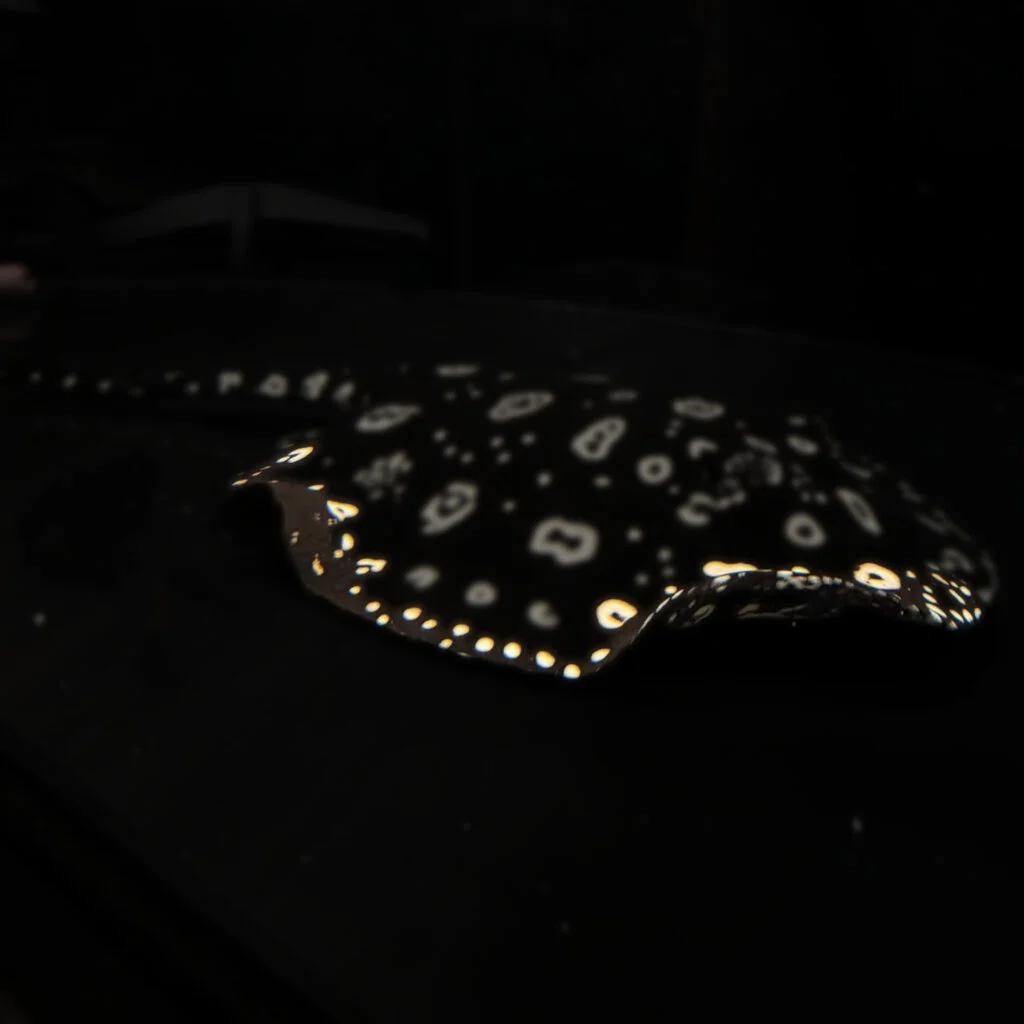
Austrian Black Diamond Stingray – Proven Breeder – Approx 18″
The Austrian Black Diamond Stingray – Proven Breeder – Approx 18″ is a rare opportunity for serious Canadian hobbyists to acquire a mature, breeding-age specimen without waiting years for a juvenile to grow out. This is a freshwater stingray with documented reproductive history, an approximate 18-inch disc, and the deep charcoal-to-black coloration that the “Black Diamond” name promises. If you have been searching to buy aquarium fish online with confidence in the seller and the lineage, this listing is built for exactly that decision. Proven breeders of this caliber rarely appear on the open market in Canada, which makes timing and tank readiness the two most important factors for any buyer.
Why This Austrian Black Diamond Stingray Stands Out
Black Diamond stingrays are prized for the intensity and consistency of their dark pigmentation, which develops over years rather than weeks. “Austrian” in the trade name typically refers to a European line prized by breeders for strong genetics and reliable coloration rather than to the fish’s natural origin. A proven breeder at roughly 18 inches is already past the fragile juvenile stage, so you are buying an animal that has demonstrated it can eat, adapt, and reproduce in captivity.
That maturity also means the stingray has a known temperament and feeding response, which reduces the guesswork that comes with importing small, unproven stock. For keepers planning a long-term breeding project, starting with a proven adult saves two to four years compared with raising pups to sexual maturity.
What “Proven Breeder” Actually Means
A proven breeder has successfully produced offspring, not simply reached adult size. That distinction matters because some large stingrays never breed in captivity due to tank size, water parameters, or sex ratios. When a seller lists an animal as proven, you should expect photos or video of the fish, details of prior spawns, and a clear statement of sex where applicable.
Ask directly about the last litter, the diet used, and the water parameters it was kept in. A reputable seller will answer these without hesitation, and that transparency is usually the best predictor of how the fish will travel and settle.
Understanding the “Austrian” Line
European stingray lines are often selected for pigment depth and robust health, and they are frequently maintained in soft, slightly acidic water. If your tank runs hard and alkaline, plan a gradual acclimation rather than a fast drip. The coloration may fade slightly under stress or poor water quality and return once conditions stabilize, so expect the fish to darken over the first weeks in a well-run system.
Tank Requirements for an 18-Inch Freshwater Stingray
This is not a community-tank fish in the traditional sense. An 18-inch disc diameter demands serious floor space, and stingrays swim along the bottom rather than through the water column. A footprint of at least 72 inches by 30 inches is a practical minimum for a single adult, with larger dimensions preferable for breeding pairs. Height matters less than footprint, but you still want depth for safe water volume and stability.
Water quality determines long-term success more than any single parameter. Stingrays produce substantial waste, so oversized filtration, frequent water changes, and monitoring for nitrate creep are non-negotiable. Soft sand is the only appropriate substrate; coarse gravel and bare glass can abrade the disc and cause infections.
Water Parameters and Filtration
Aim for stable temperature in the mid-to-upper 70s Fahrenheit (roughly 24–27°C), neutral to slightly acidic pH, and low hardness. Ammonia and nitrite should read zero at all times, with nitrate kept as low as your maintenance schedule allows. A sump with mechanical and biological stages, plus strong turnover, handles the bioload better than hang-on filters.
Tankmates and Compatibility
Choose tankmates that occupy the upper water column and cannot fit in the ray’s mouth. Large, peaceful mid-water fish work well; small bottom dwellers and bite-prone species do not. Avoid anything that might nip at the disc or compete aggressively at feeding time, and never house stingrays with species known to pick at resting fish.
Feeding, Health, and Acclimation
Variety keeps stingrays feeding aggressively and supports the coloration buyers are paying for. Market shrimp, tilapia, smelt, and quality carnivore pellets form a solid base, with gut-loaded earthworms as an occasional treat. Feed to satiation several times weekly rather than daily, and remove uneaten food promptly to protect water quality. A stingray that stops eating is usually signaling a water problem, so test before you medicate.
When the fish arrives, acclimate slowly. Float the bag, then drip tank water over 45 to 90 minutes depending on the pH gap, and keep the lights low for the first day. Do not net a stingray by the tail; use a container or your hands to move it without bending the spine.
Quarantine and Observation
Even a healthy proven breeder benefits from a quarantine period if you have a suitably large observation tank. Watch for appetite, respiration rate, and any discoloration or lesions on the disc. If a dedicated quarantine tank is not feasible, isolate the ray in its permanent home with no other new additions for at least two weeks.
Buying Live Aquarium Fish Online in Canada
Ordering a specimen this large is different from adding a few tetras to a cart. Shipping a mature stingray requires oxygen, insulated packaging, and careful temperature control, especially across Canadian seasons. Reputable sellers plan aquarium fish delivery around weather windows and provide tracking and arrival guarantees. Confirm the shipping method, the guarantee terms, and what documentation accompanies the fish before you commit.
For Canadian buyers, sourcing within the country avoids customs delays that can be fatal for large, stress-sensitive fish. Working with a specialist online aquarium fish shop in Canada also means support before and after the sale, which matters when you are spending at the top of the market. If you want to compare what else is available for a large system, browse additional freshwater fish for sale to plan long-term stocking around this centerpiece.
What to Confirm Before You Buy
Ask for current photos and video, the fish’s length and sex, feeding details, and the seller’s live arrival policy in writing. Clarify whether the price includes shipping and whether a heat or cold pack is used. A seller who welcomes these questions is worth your business; one who deflects them is a risk you do not need at this price point. This is also where a proven breeder stingray listing should include lineage context and prior spawn history rather than vague claims.
Pricing Context
Proven adult Black Diamond stingrays sit at the premium end of the freshwater market, well above juvenile and unproven stock. Expect meaningful variation based on coloration intensity, sex, size, and documented breeding history. Treat the price as a reflection of years of growth and feeding invested by the seller, and budget separately for the tank, filtration, and shipping needed to keep the animal healthy.
Is This Stingray Right for You?
This animal suits experienced keepers with a large, cycled system, reliable maintenance habits, and either a breeding goal or a genuine commitment to long-term care. It is a poor fit for anyone without the footprint, filtration, or budget to support an 18-inch predatory fish for the next decade or more. Canadian buyers who meet those conditions rarely get a chance at stock this mature, so if your tank is ready, the decision is straightforward.
Before ordering, verify your water parameters, confirm your equipment handles the bioload, and settle shipping arrangements with the seller. Preparing correctly is the difference between a thriving centerpiece and an expensive loss. Canada’s regulatory picture around stingray ownership can also vary, so confirm local requirements if you are unsure. The Government of Canada’s aquatic animal import guidance and the Smithsonian’s freshwater stingray reference material offer reliable starting points for background reading, and the IUCN Red List provides conservation context for freshwater rays.
Frequently Asked Questions
How big does an Austrian Black Diamond Stingray get?
Most reach roughly 18 to 24 inches in disc diameter in captivity, with females often growing larger than males. This specimen is already around 18 inches, so plan for a tank that accommodates full adult size and swimming space.
What size tank does a proven breeder stingray need?
A footprint of at least 72 by 30 inches is a practical minimum for one adult, with more floor area strongly recommended for pairs. Volume alone is not enough; the bottom dimensions matter most.
Can I keep it with other fish?
Yes, if tankmates are large, peaceful, and occupy the mid or upper water column. Avoid small fish that fit in its mouth and any species prone to nipping at the disc.
Do you ship live stingrays across Canada?
Shipping arrangements, weather windows, and arrival guarantees vary by seller, so confirm these details before purchase. Ask specifically about insulation, oxygen, and heat or cold packs for your region.
What does this stingray eat?
Market shrimp, tilapia, smelt, and carnivore pellets form a solid staple diet, with earthworms as an occasional addition. Feed several times weekly and remove leftovers to protect water quality.
How do I acclimate it on arrival?
Float the bag, then drip tank water over roughly 45 to 90 minutes, and keep lighting low for the first day. Avoid lifting the ray by the tail, and never net it around the spine.
Be the first to review “Austrian Black Diamond Stingray – Proven Breeder – Approx 18″”
Related products
Tropical Fish
Tropical Fish
Tropical Fish
Tropical Fish
Tropical Fish
Tropical Fish
Tropical Fish
Tropical Fish
Reviews
There are no reviews yet.