
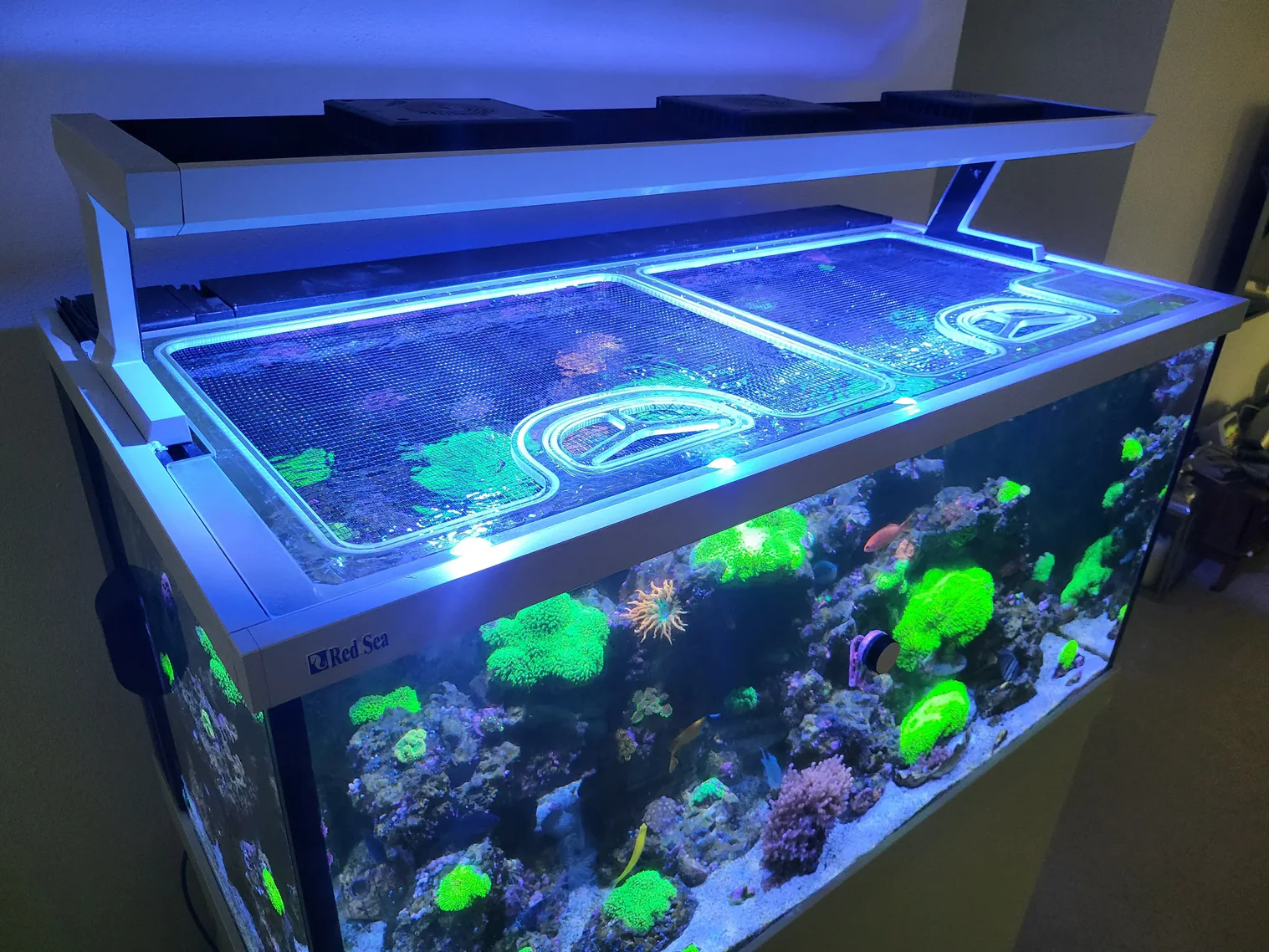
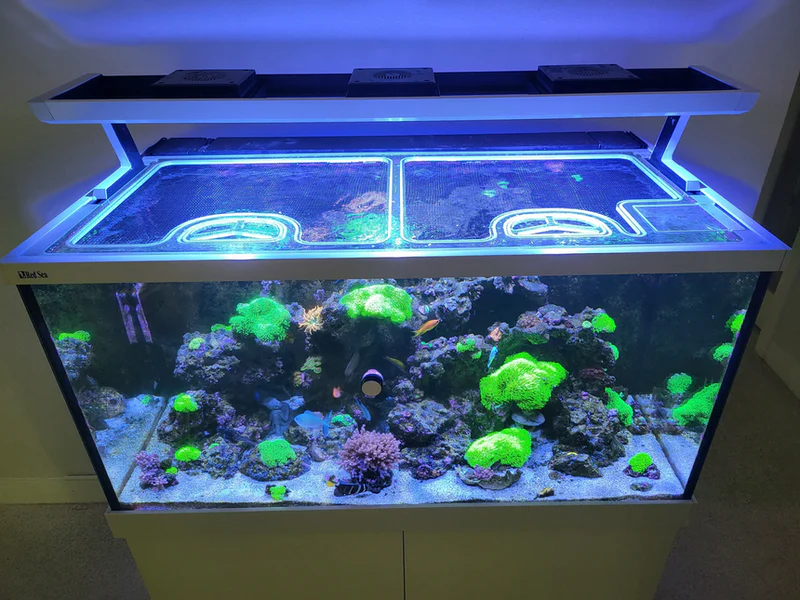
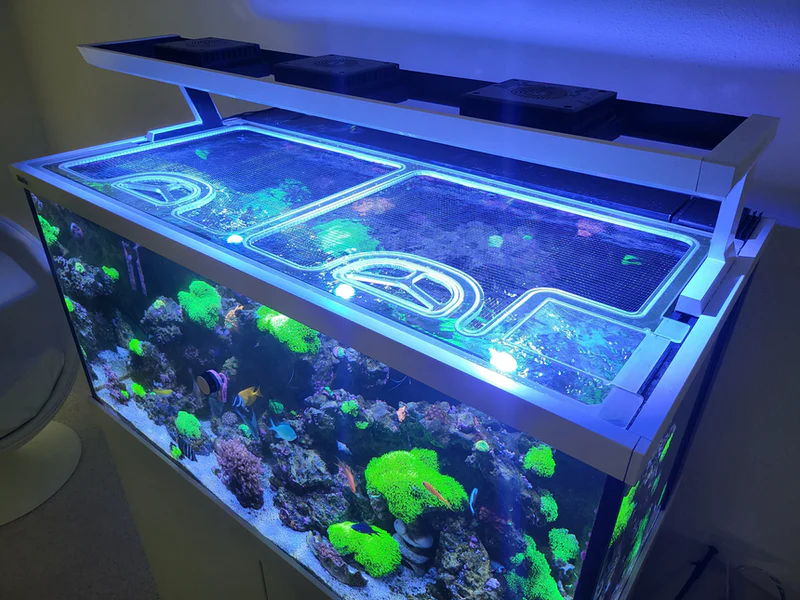
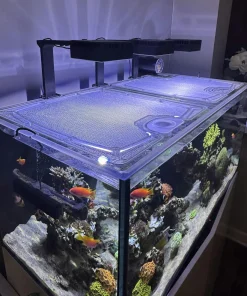
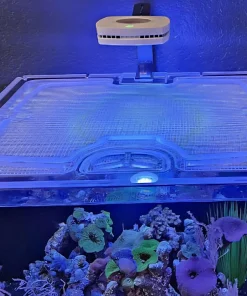
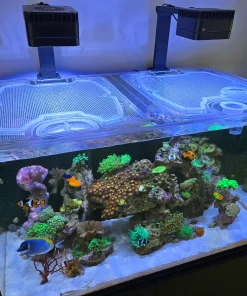
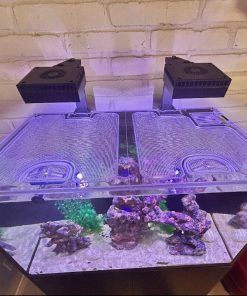
Red Sea Max-S 500 G1 and G2+ Custom Polycarbonate Aquarium Screen Top Lid
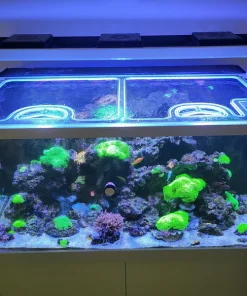
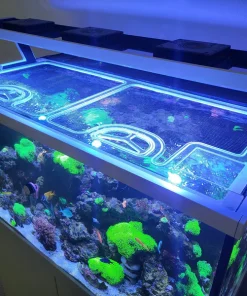
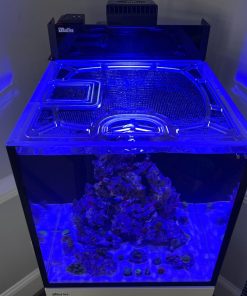
If you own a Red Sea Max-S 500, you already know the tank looks stunning with an open top — and that you pay for that view in evaporation, salt creep, and the occasional jumper. This custom polycarbonate aquarium screen top lid is built specifically for the Red Sea Max-S 500 in both G1 and G2+ configurations, giving Canadian reefers a precise, drop-in fit instead of a universal mesh kit that half-works. You can order this lid and other Red Sea parts from Canadian Aquarist and have it delivered anywhere in Canada.
Why the Red Sea Max-S 500 Needs a Purpose-Built Lid
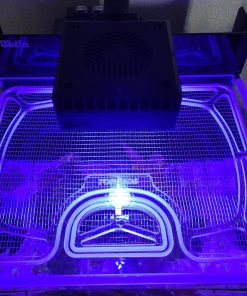
The Max-S 500 has an unusual footprint: a rimless, euro-braced opening with a rear sump section, an integrated skimmer chamber, and return plumbing that eats into the usable space at the back. Off-the-shelf mesh tops almost never account for those intrusions, which is why so many owners end up cutting, shimming, or abandoning the lid entirely.
A lid made for this tank solves three recurring problems at once.
Evaporation and Top-Off Frequency
An uncovered 500-litre system in a Canadian home — particularly during dry winter months when indoor humidity drops — can lose several litres a day to evaporation. A screen top won’t seal the tank, but it dramatically reduces surface exchange, which means your auto top-off reservoir lasts longer and salinity swings become gentler.
That stability matters more than most people expect. Rapid salinity drift stresses corals and inverts, and it also skews every reading you take with a refractometer.
Jumping Fish and Escapes
Wrasses, firefish, dartfish, gobies, and blennies are all classic carpet surfers. Even a low-profile polycarbonate frame with mesh inserts stops the vast majority of escape attempts while keeping gas exchange high enough for healthy oxygen levels.
Light, Heat, and Gas Exchange
The real advantage of a screen top over a solid glass or acrylic cover is what it doesn’t do: it doesn’t trap heat under your LED fixtures and it doesn’t block the CO₂/O₂ exchange that keeps pH stable. You keep the open-top aesthetic and the light penetration you paid for, minus the losses.
Fitment: G1 vs G2+ Red Sea Max-S 500
Red Sea revised the Max-S platform with the G2+ generation, and the differences matter for anyone buying a lid.
| Feature | Max-S 500 G1 | Max-S 500 G2+ |
|---|---|---|
| Rear chamber layout | Original sump and skimmer arrangement | Revised rear filtration with updated skimmer and media section |
| Rim geometry | Earlier bracing profile | Slightly different rear cutout and bracing |
| Lid compatibility | Gen-1 cut pattern | Gen-2+ cut pattern |
Because the two generations don’t share an identical rear opening, this lid is cut to match each version. If you’re unsure which tank you have, check the serial plate on the cabinet or the documentation that came with the system — Red Sea labels the generation clearly.
What the Custom Polycarbonate Lid Is Made Of
Every component is chosen for a saltwater environment, where cheap materials fail fast.
Polycarbonate Frame
The perimeter frame is cut from UV-stable polycarbonate, which resists warping and yellowing far better than generic acrylic in a humid, salt-laden hood environment. It’s light enough to lift off one-handed for feeding or maintenance.
Mesh Inserts
Fine mesh panels keep fish in while letting heat and gas escape. The mesh is replaceable, so a torn panel doesn’t mean replacing the whole lid.
Feed Holes and Cable Cutouts
Feed doors or cutouts let you drop in frozen food without removing the entire top. Rear cutouts accommodate return lines, dosing tubing, and probe cables so nothing gets pinched.
Installing Your Aquarium Screen Top Lid
Installation takes minutes rather than an afternoon. Lift the existing mesh or glass cover off, wipe the rim, and set the new lid into place so the rear cutouts align with your plumbing and skimmer section.
Two quick tips from reefers who’ve done it:
- Check cord routing before you commit. Route dosing lines and probe cables through the rear cutouts first, then seat the lid.
- Give the mesh a monthly rinse. Salt spray and dust clog the weave over time and quietly cut your gas exchange.
Once it’s on, add a lid to your aquarium maintenance products and gear list so nothing else gets forgotten on the next supply run.
Who Should Buy This Lid
This is a straightforward fit for anyone running a Max-S 500 in a living space where evaporation, noise, or jumpers are a concern. It suits:
- Reef keepers running mixed or SPS-dominant systems who need stable salinity
- Fish-focused hobbyists keeping wrasse, firefish, or goby species
- Owners in dry Canadian climates dealing with heavy winter top-off demand
- Anyone who wants the rimless look without the open-top downsides
It’s not a substitute for a proper auto top-off system, and it won’t eliminate evaporation entirely — no screen top will. Treat it as one part of a stable system, not a magic fix.
Buying Aquarium Supplies Online in Canada
Ordering gear from a Canadian supplier means shorter transit times, no cross-border surprise fees, and replacement parts that actually match what you already own. When you buy fish tank accessories and Red Sea components domestically, you also get support from people who know the Max-S platform rather than a generic warehouse.
A few practical notes before you order:
- Confirm your Max-S generation (G1 or G2+) before checkout
- Measure your rear cutout if your tank has been modified
- Combine the lid with filter media, salt, or test kits to make shipping worthwhile
Whether you’re replacing a worn mesh top or pricing out an aquarium starter kit for sale, consolidating your order keeps costs down.
Care and Longevity
Polycarbonate holds up well, but a little routine care extends its life:
- Rinse the frame with fresh water monthly to remove salt residue.
- Inspect the mesh for tears, especially near corners where fish probe.
- Avoid abrasive cleaners, which cloud polycarbonate surfaces.
- Store the lid flat if you remove it for a deep clean.
Handled this way, a quality screen top typically outlasts several cheaper alternatives.
Frequently Asked Questions
Will this lid fit both the Max-S 500 G1 and G2+?
Yes — it’s produced in cut patterns for both generations. Confirm your version before ordering so you receive the correct geometry.
Does a screen top reduce light reaching my corals?
Mesh blocks some light, but far less than glass or acrylic covers, and it doesn’t trap heat or humidity the way solid lids do. Most reefers see no meaningful PAR loss at typical mounting heights.
Can I still run an auto top-off system with the lid on?
Absolutely. The lid reduces evaporation, so your ATO reservoir simply lasts longer between refills. It doesn’t interfere with top-off operation.
How much does this lid reduce evaporation?
Results vary with room temperature, humidity, and surface agitation, but most owners report a significant drop in daily top-off volume. In dry Canadian winters, that difference is especially noticeable.
Is the mesh replaceable if it tears?
Yes. Mesh panels can be replaced without buying a whole new lid.
Can I feed the tank without removing the lid?
Feed cutouts or doors let you add food directly. For larger maintenance tasks, the lid lifts off easily.
Ordering Your Max-S 500 Lid in Canada
A lid is one of the least glamorous purchases in the hobby and one of the easiest to put off — until a favourite wrasse ends up on the floor or your top-off reservoir runs dry mid-week. This custom polycarbonate screen top is built to fit the Red Sea Max-S 500 properly, in both G1 and G2+ form, and it ships across Canada from a supplier that stocks the parts you’ll need next.
Be the first to review “Red Sea Max-S 500 G1 & G2+ Custom Polycarbonate Screen Lid”
Related products
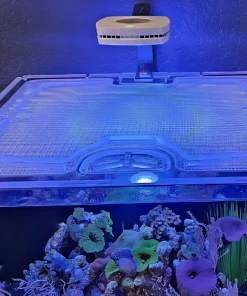
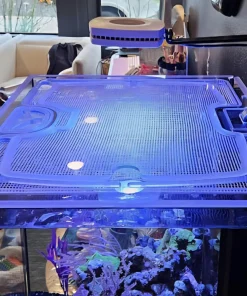
Red Sea Aquarium Lids & Tank Covers
Red Sea Reefer 170 G3 Custom Polycarbonate Aquarium Screen Top Lid
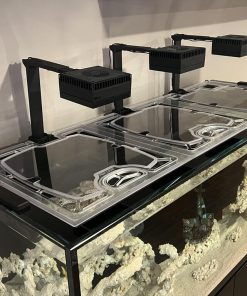
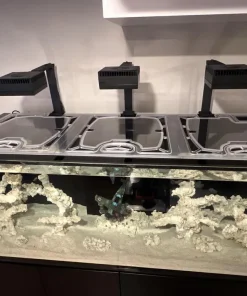
Red Sea Aquarium Lids & Tank Covers
Red Sea Reefer-S 1000 G2+ and G3 Custom Polycarbonate Aquarium Screen Top Lid
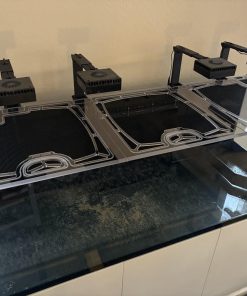
Red Sea Aquarium Lids & Tank Covers
Red Sea Reefer 750 G1 and G2+ (Rimless Version) Custom Polycarbonate Aquarium Screen Top Lid
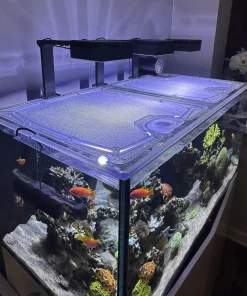
Red Sea Aquarium Lids & Tank Covers
Red Sea Reefer 625 G2+ (Rimless Version) Custom Polycarbonate Aquarium Screen Top Lid
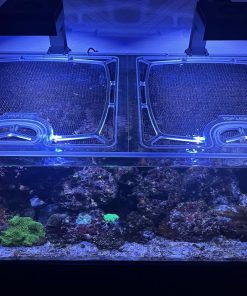
Red Sea Aquarium Lids & Tank Covers
Red Sea Reefer 425 G2+ (Rimless Version) Custom Polycarbonate Aquarium Screen Top Lid
Red Sea Aquarium Lids & Tank Covers
Red Sea Reefer 170 G1 and G2+ Custom Polycarbonate Aquarium Screen Top Lid
Red Sea Aquarium Lids & Tank Covers
Red Sea Reefer 300 G1 and G2+ Custom Polycarbonate Aquarium Screen Top Lid
Red Sea Aquarium Lids & Tank Covers
Reviews
There are no reviews yet.