31
Oct
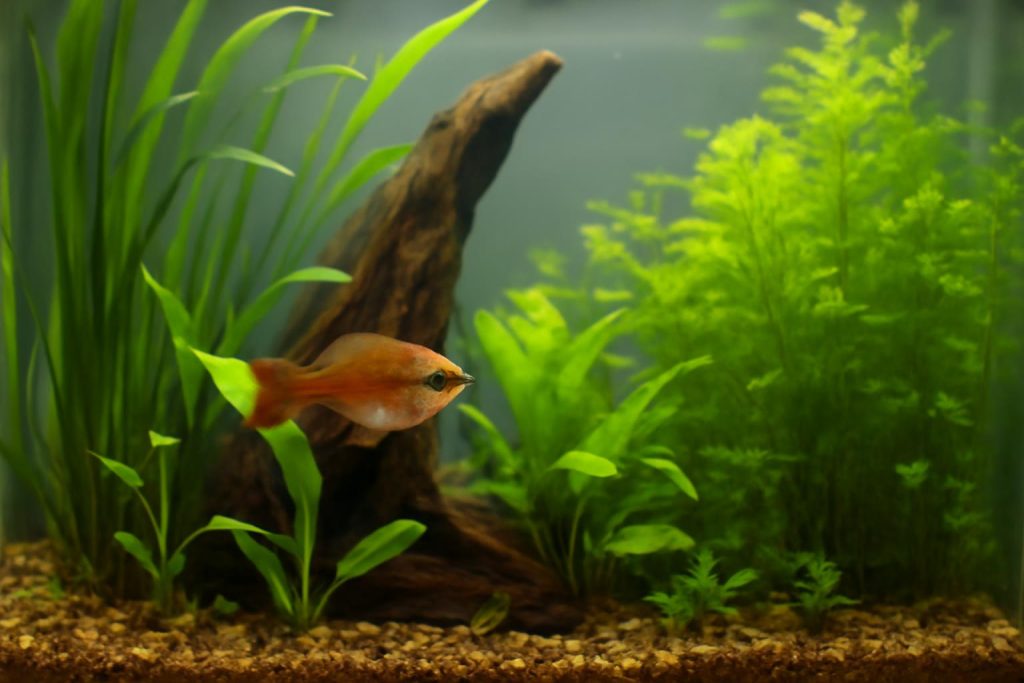
A properly established nitrogen cycle is the foundation of a healthy indoor aquarium. Learn how to cycle your fish tank in Canada, test water accurately, manage seasonal conditions, and add fish safely.
Welcome to the aquarium blog at Canadian Aquarist, your starting point for practical, trustworthy advice on keeping freshwater and saltwater fish healthy at home. Whether you are setting up your first ten-gallon tank or managing a reef system, this hub organizes our guides, species profiles, and troubleshooting articles so you can find answers fast. Every post is written for real hobbyists in the United States and Canada who want clear explanations rather than jargon.
Browsing a category page works best when you know what you need. The sections below break the hobby into its main pillars, from tank setup to water chemistry, so you can jump straight to the topic that matches your situation.
New keepers usually begin with a freshwater community tank because it is forgiving, affordable, and easy to stock. The nitrogen cycle is the first concept to master: beneficial bacteria convert toxic ammonia into nitrite and then into far less harmful nitrate. Cycling a tank before adding fish prevents the most common beginner mistake, which is introducing livestock into an uncycled system.
Tank size, filtration, lighting, and heating all work together. A larger volume is actually more stable than a small bowl, so a 20-gallon long tank is often a smarter first purchase than a five-gallon kit. Pair it with a filter rated for your volume, a reliable heater if you keep tropical species, and a simple LED light that suits low-demand plants.
Plan on two to six weeks for a fishless cycle using an ammonia source and a liquid test kit. Once ammonia and nitrite read zero and nitrate is present, you can add a small group of hardy fish such as danios or corydoras. Stock gradually over several weeks to let the bacterial colony keep pace.
Choosing fish is about more than appearance. Temperament, adult size, water temperature, and preferred pH all determine whether tank mates will thrive together. Our profiles cover popular freshwater groups like tetras, livebearers, bettas, and cichlids, plus saltwater staples such as clownfish and gobies.
Match fish by the water parameters they evolved in, not by what looks good in the store. A species from soft, acidic Amazonian water will struggle alongside one adapted to hard, alkaline conditions. Check adult size too, since a fish sold as a juvenile may outgrow the tank or eat smaller neighbors.
Most fish disease traces back to water quality. Regular partial water changes, usually 20 to 30 percent weekly, remove nitrate and replenish minerals. Testing ammonia, nitrite, nitrate, pH, and hardness gives you the data to act before problems escalate.
White spot, fin rot, and velvet are the issues hobbyists encounter most. Quarantining new arrivals for two to four weeks remains the single most effective way to protect an established tank. When treatment is needed, identify the cause first rather than dosing medication blindly.
Daily observation, weekly water changes and testing, and monthly filter rinsing in tank water form a dependable rhythm.
Live plants improve water quality, shelter fish, and look stunning. Beginners can start with low-light species like java fern and anubias, then explore CO2 injection once they are comfortable. Aquascaping styles such as the nature aquarium reward patience more than expensive gear.
A properly established nitrogen cycle is the foundation of a healthy indoor aquarium. Learn how to cycle your fish tank in Canada, test water accurately, manage seasonal conditions, and add fish safely.
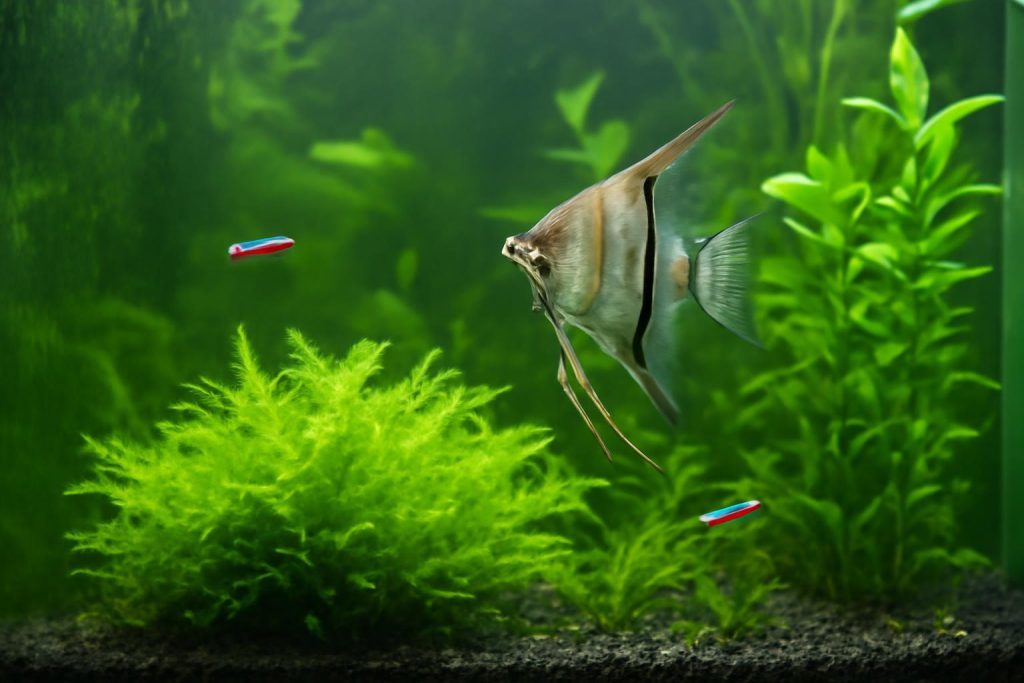
Aquarium algae is common, but persistent growth usually signals an imbalance in light, nutrients, maintenance, or circulation. Use this practical Canadian guide to identify the problem and restore a healthier indoor fish tank.
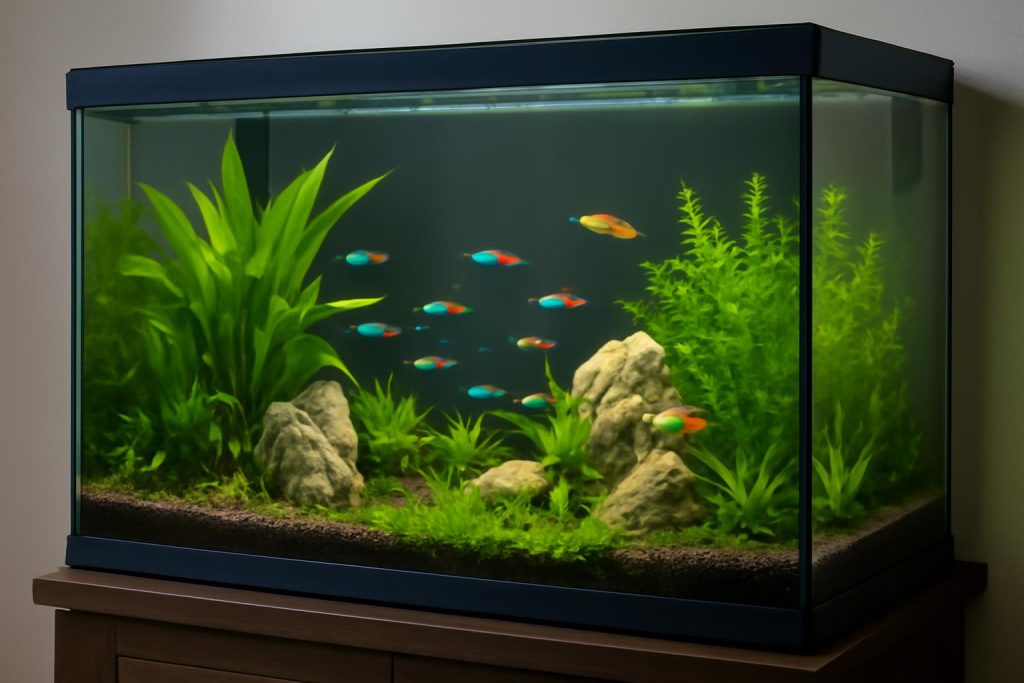
A successful indoor aquarium is not just attractive on setup day. Learn how to plan equipment, stocking, filtration, planting, and maintenance for a healthier fish tank that can thrive for years in a Canadian home.
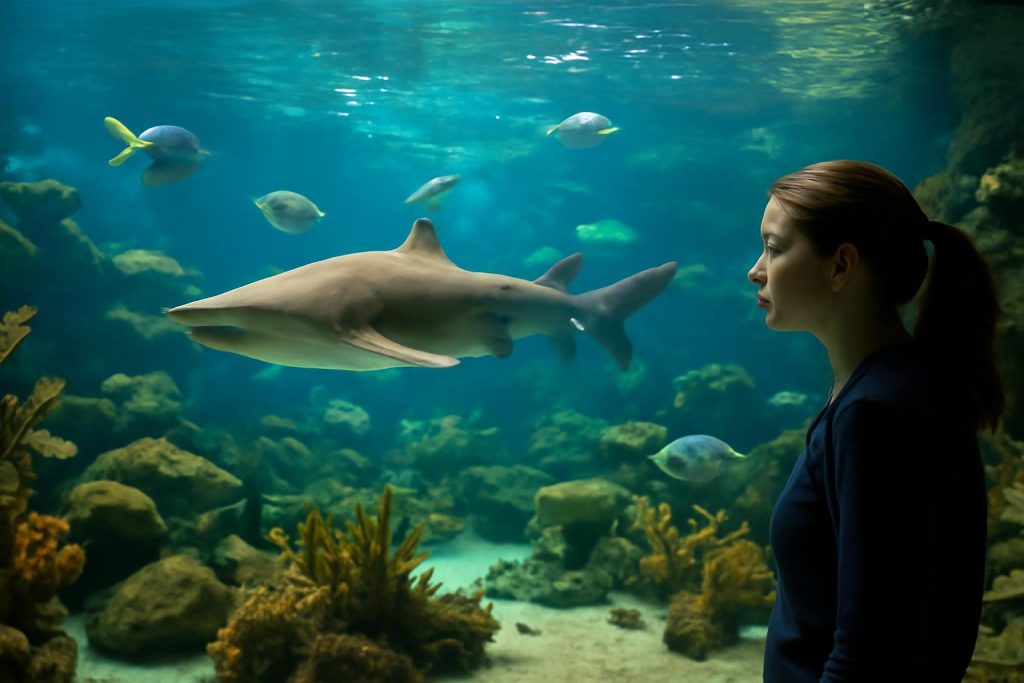
Canada’s public aquariums remind us that successful fishkeeping is about more than attractive displays. Learn how conservation principles can improve your indoor aquarium, from responsible stocking and stable water quality to habitat design and long-term care.
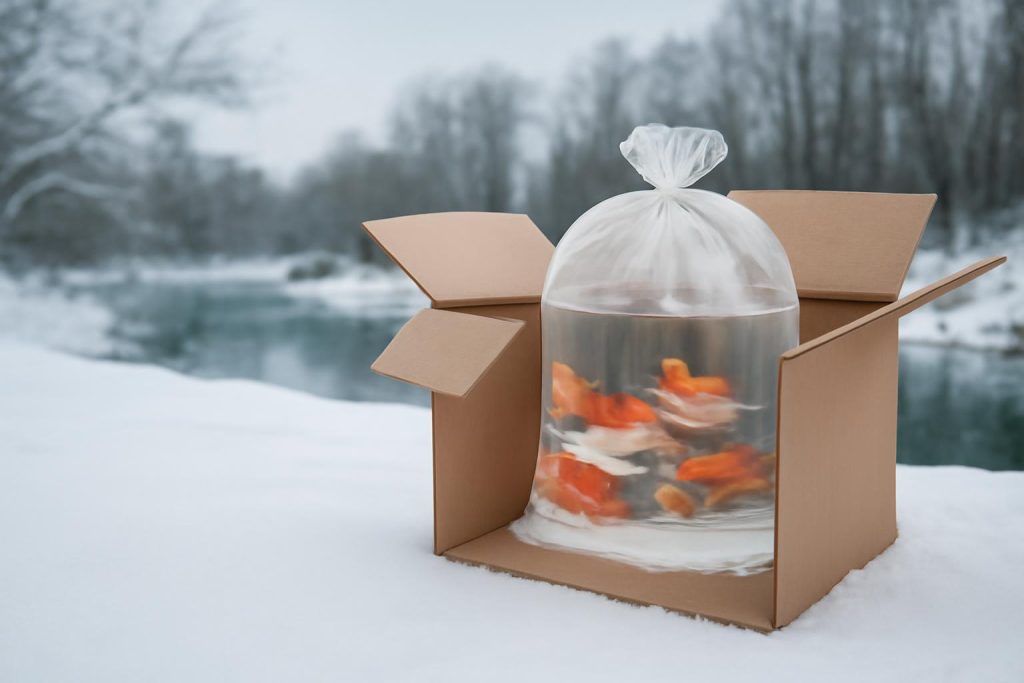
Shipping live fish across Canada requires careful planning, especially during winter. Learn how to prepare your aquarium, inspect a delivery, acclimate new arrivals, and reduce temperature-related stress.
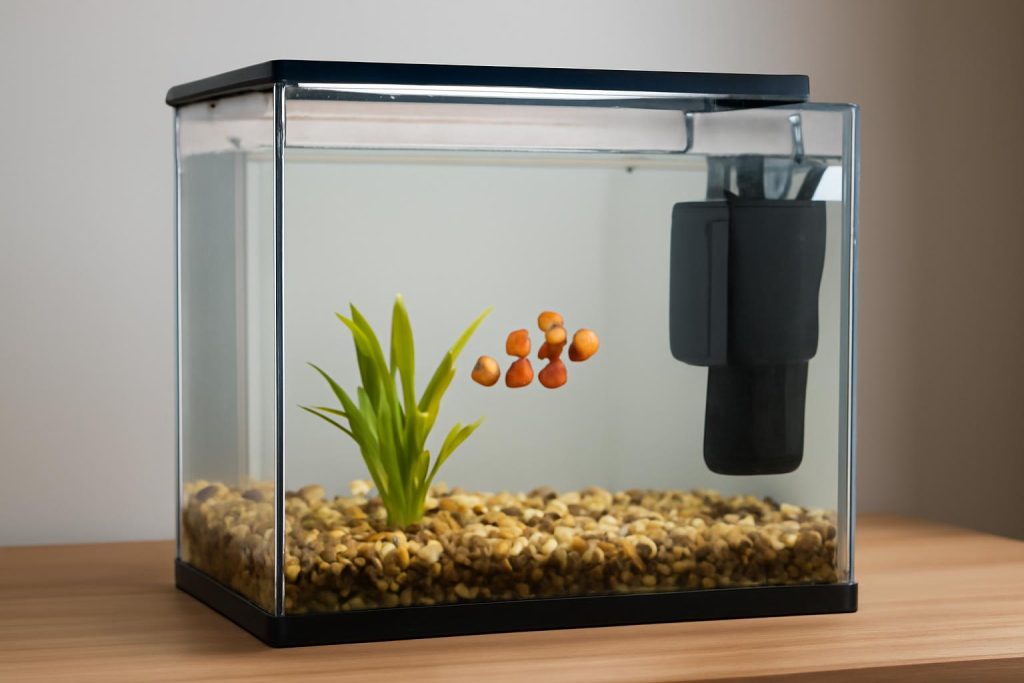
A quarantine tank gives new or unwell fish a controlled environment for observation and treatment. Learn how to build an effective aquarium quarantine setup in Canada with practical equipment and maintenance advice.
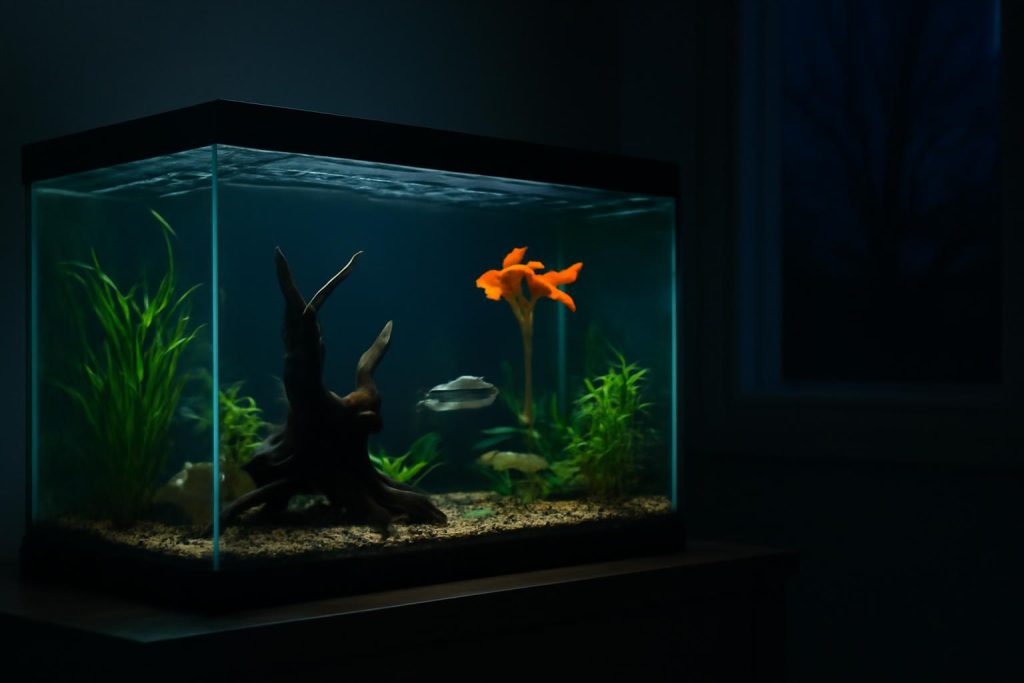
A Canadian power outage can quickly affect oxygen, temperature, and filtration in an indoor aquarium. Learn how to prepare your fish tank, prioritize equipment, and safely care for fish until power returns.
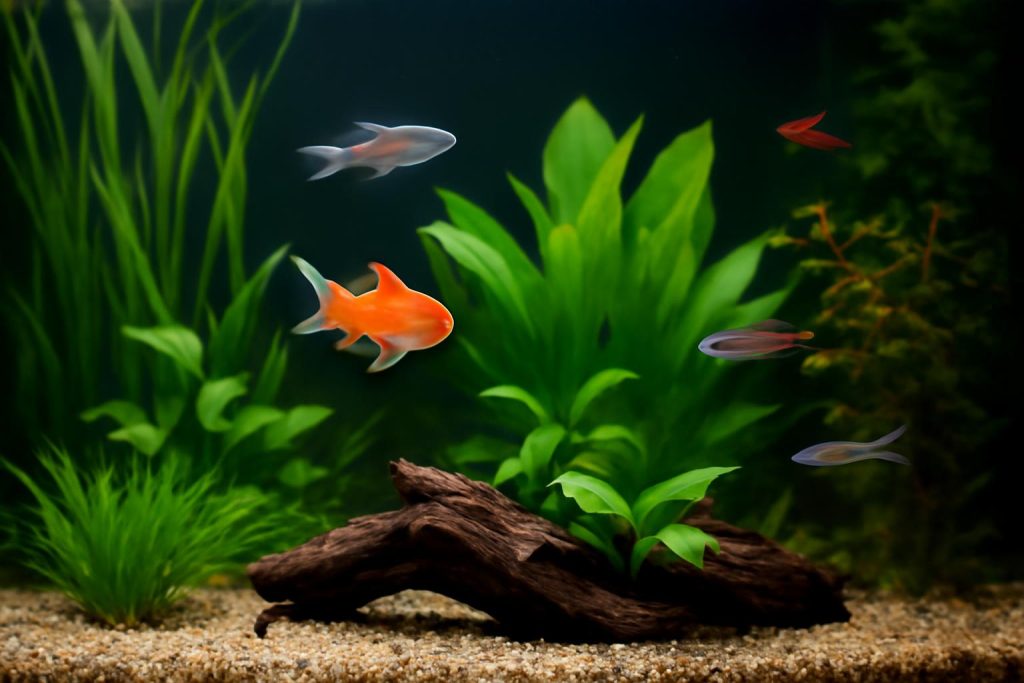
Indoor aquarium enrichment is more than attractive decoration. Learn how to design a stimulating, safe, and species-appropriate fish tank for Canadian homes.
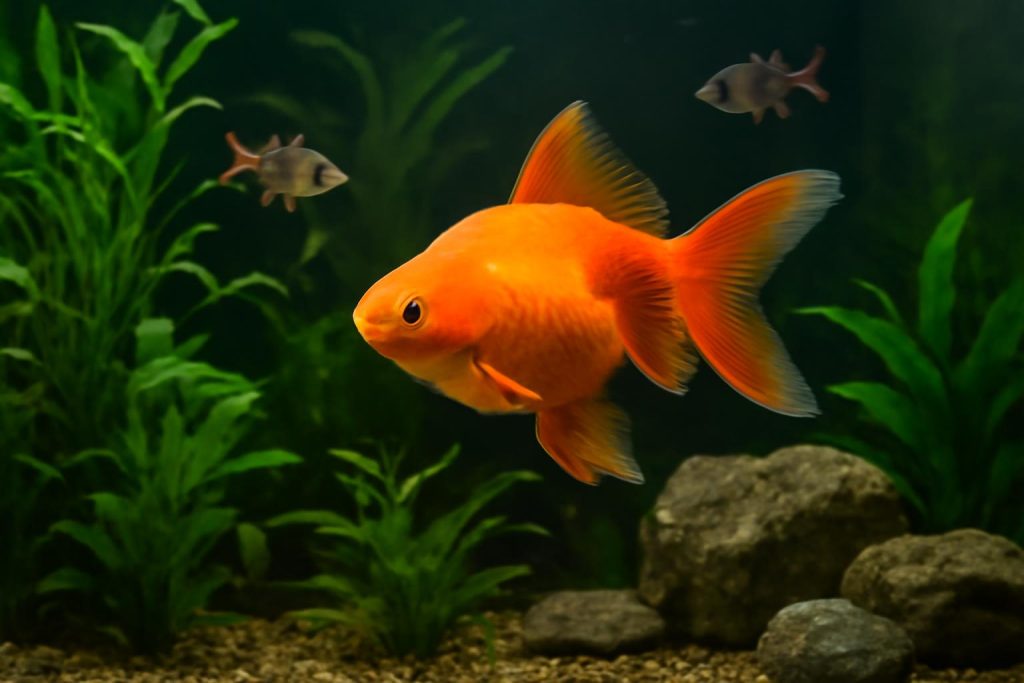
Recent discussions about marine mammal welfare are prompting important questions about aquatic animal care. Here is how Canadian home aquarists can apply those lessons to fish health, tank design, stocking, and daily maintenance.
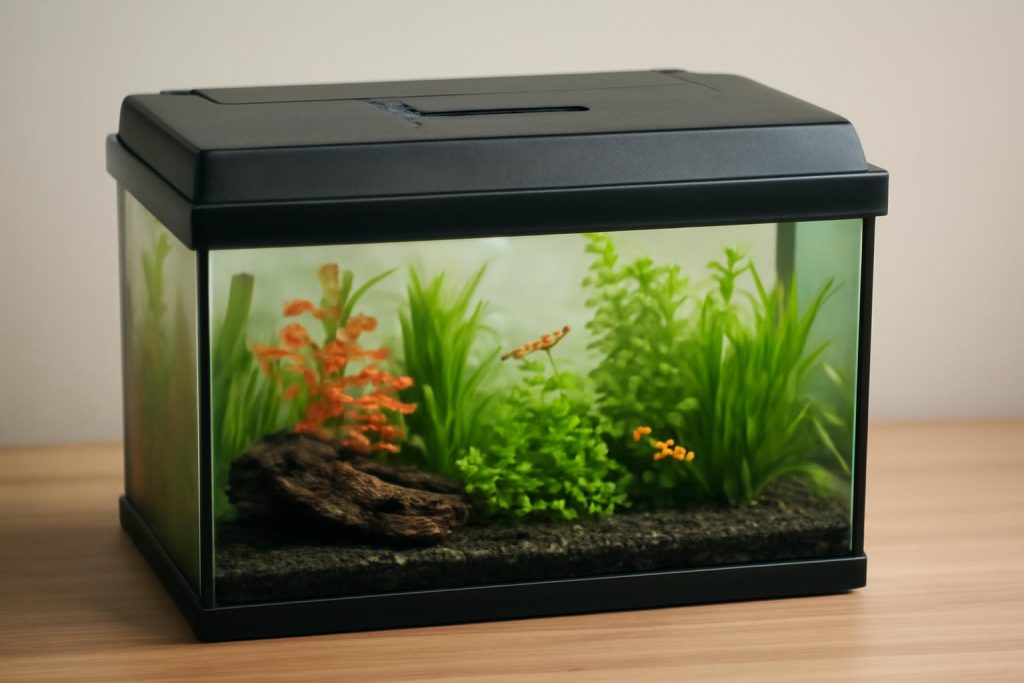
The right aquarium lid protects fish, manages evaporation, supports efficient lighting, and makes indoor aquarium care easier. Here is how Canadian aquarists can choose and maintain a suitable tank cover.