
Aquarium Blog
Aquarium Lids Canada: How to Choose the Right Tank Cover for a Safe Indoor Aquarium
Oct
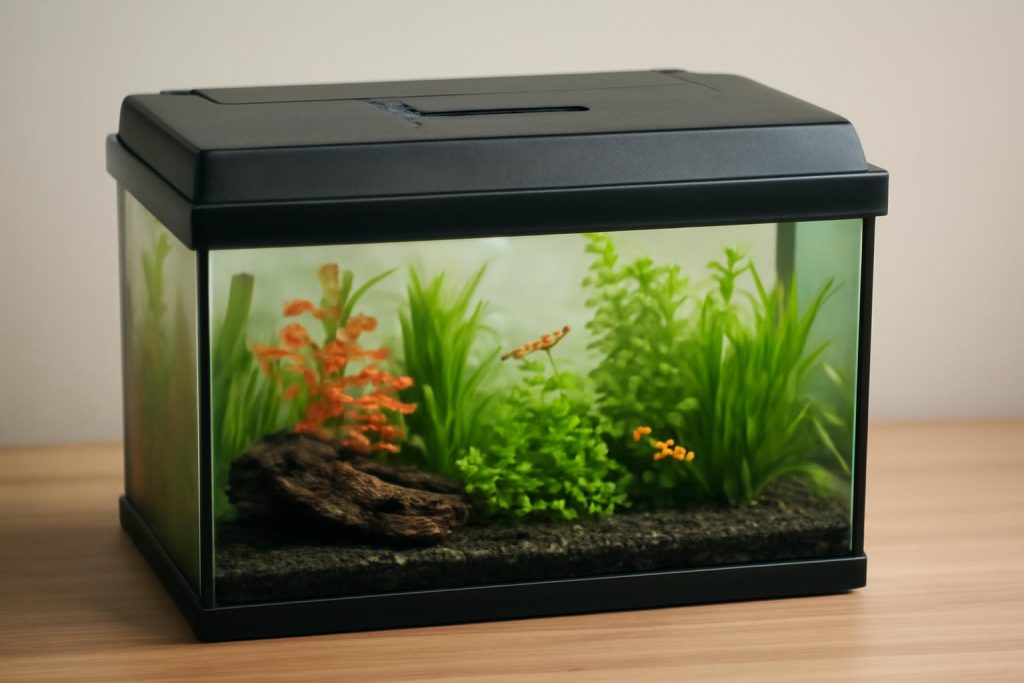
An aquarium lid is more than a piece of glass or plastic placed over the top of a fish tank. A well-fitted cover helps prevent fish from jumping, reduces evaporation, limits dust and household contaminants, protects electrical equipment from splashes, and can make an indoor aquarium more stable throughout the year.
For Canadian aquarists, tank covers are especially useful during dry winter months, when heated indoor air can increase evaporation and lower household humidity. This is an evergreen care guide rather than a report on a current product trend. It explains what to look for when comparing aquarium lids Canada options for freshwater, tropical, planted, and marine systems.
Why an Aquarium Lid Matters
Many fish are capable jumpers, particularly when startled, introduced to a new aquarium, or exposed to poor water quality. Even peaceful community fish may leap through a small opening around a filter, heater cable, or feeding area. A secure cover is one of the simplest ways to reduce this risk.
A lid also slows water loss. Evaporation is normal, but excessive evaporation can cause frequent top-ups, mineral accumulation around the rim, and changing water parameters in smaller aquariums. In a heated home during a Canadian winter, the difference can be noticeable.
Other practical benefits include:
- Keeping dust, pet hair, and cleaning products away from the water surface.
- Reducing the chance of fish entering filter compartments or overflow areas.
- Containing splashes from air stones, filter outlets, and active fish.
- Helping maintain a stable temperature by reducing heat exchange at the surface.
- Preventing children or pets from accidentally reaching into the aquarium.
- Supporting a cleaner, more finished appearance in a living room, office, or bedroom.
A lid does not replace responsible aquarium maintenance, ventilation, or safe electrical practices. It is one part of a complete setup that includes suitable filtration, heating, lighting, and water management.
Types of Aquarium Lids Available in Canada
Glass Aquarium Lids
Glass covers are popular because they are clear, rigid, and relatively resistant to scratching. They provide a clean viewing surface and work well with many freshwater and planted aquariums. A glass lid can also reduce evaporation without blocking all light from an aquarium fixture.
The main limitation is that glass panels must fit the tank carefully. Openings may be required for filter pipes, airline tubing, heater cords, and feeding. Thick glass can also be heavy, so lifting the cover for maintenance may be less convenient on a large aquarium.
Polycarbonate Aquarium Covers
Polycarbonate is a lightweight, impact-resistant material often used for custom aquarium covers. It can be shaped or cut around equipment, making it useful for tanks with unusual dimensions, rimless designs, eurobracing, or rear filtration compartments.
For households with children, cats, or active fish, a properly fitted polycarbonate cover may offer an excellent balance of durability and low weight. The exact material, thickness, mounting method, and compatibility should be checked before purchase.
Acrylic Lids
Acrylic is light and easy to work with, but it can scratch more easily than glass or polycarbonate. It may be suitable for smaller aquariums where easy removal is important. Clean acrylic only with a soft, aquarium-safe cloth; abrasive pads can permanently mark the surface.
Mesh Tops
Mesh covers provide excellent ventilation and allow strong light to reach the aquarium. They are often used for aquascapes, reef systems, or tanks where high humidity and heat buildup are concerns. However, mesh reduces evaporation less effectively than a solid cover and may not contain very small fish or invertebrates unless the openings are appropriately sized.
How to Select Aquarium Lids Canada Aquarists Can Use Safely
1. Measure the Tank, Not Just the Manufacturer’s Name
Start by measuring the actual outside dimensions of the aquarium rim. Record the length, width, rim depth, centre braces, corner supports, and any rear filter chamber. Nominal tank sizes are not always identical across brands or generations.
Measure twice and compare those measurements with the lid’s listed dimensions. A cover that is slightly too large may slide or overhang dangerously, while one that is too small can leave gaps large enough for fish to escape.
2. Account for Equipment Openings
Most indoor aquariums contain equipment that must pass through or over the lid. Consider the location of:
- Hang-on-back filter boxes and intake tubes.
- Canister filter hoses and return pipes.
- Heater and thermometer cables.
- Airline tubing and air valves.
- Automatic feeders and dosing lines.
- CO2 tubing on planted aquariums.
- Overflow pipes on larger or marine systems.
Small, planned openings are preferable to leaving a large section uncovered. Gaps should be just large enough for the required equipment and should not create escape routes for fish.
3. Check Light Compatibility
A cover can affect aquarium lighting in several ways. Clear glass and polycarbonate allow light through, but condensation, mineral deposits, and scratches can reduce transmission over time. Mesh allows strong airflow and light penetration but does little to slow evaporation.
Make sure the lighting fixture is designed to sit safely above the cover. Never place a light directly on a wet surface unless the manufacturer specifically permits that installation. Leave appropriate ventilation around fixtures that produce heat, and keep electrical connections positioned so water cannot run toward outlets or power bars.
4. Consider Fish Behaviour
Species that jump require a secure, well-fitted cover with minimal gaps. This includes many killifish, hatchetfish, danios, some livebearers, and numerous larger or more active fish. A lid is also valuable when fish are newly introduced, stressed, or being kept in an aquarium with strong surface movement.
For labyrinth fish such as bettas and gouramis, the cover should still allow safe gas exchange. Avoid sealing an aquarium completely airtight. The goal is to prevent escapes while maintaining normal ventilation at the water surface.
5. Match the Lid to Maintenance Habits
If you feed several times a day, trim plants frequently, or perform regular aquascaping, a cover with a convenient feeding flap or removable section may be more practical than a single heavy panel. Easy access encourages better care because routine tasks are less disruptive.
For a large aquarium, consider whether one person can safely lift the cover. Multiple panels may be easier to handle and can reduce the risk of dropping a large sheet during maintenance.
Aquarium Lids and Canadian Indoor Conditions
Canadian homes can experience significant seasonal differences in indoor temperature and humidity. During winter, furnaces and heat pumps often dry the air. An uncovered aquarium may evaporate faster, particularly when the tank is heated for tropical fish.
A cover will not eliminate evaporation, but it can reduce the rate. This helps limit the frequency of top-ups and reduces the amount of dissolved mineral residue left on the glass, rim, and nearby furniture. It is still important to top up with water prepared according to the aquarium’s requirements and to continue scheduled partial water changes.
In summer, a solid cover may retain more heat than a mesh top. Watch the aquarium thermometer and observe fish behaviour during warm periods. If the water temperature rises, improve room ventilation, reduce direct sunlight, check equipment heat, or use an appropriate cooling strategy. Do not remove the lid permanently if doing so creates a fish-escape risk.
Common Aquarium Lid Mistakes to Avoid
Leaving Large Gaps Around Equipment
A large opening around a filter or cable is a common escape point. Use a properly designed cut-out, cover the remaining space with a suitable insert, or choose a lid made for that equipment configuration.
Using Household Glass or Unfinished Materials
Ordinary household glass may have unsuitable thickness, sharp edges, or dimensions that do not safely support the aquarium’s equipment. Avoid improvised materials that can warp, shed particles, react with moisture, or interfere with lighting.
Blocking All Ventilation
A cover should protect the aquarium without creating an airtight enclosure. Excessive condensation, heat buildup, or poor gas exchange can cause problems. Follow the lid and equipment manufacturer’s installation guidance.
Ignoring Condensation and Mineral Deposits
Water spots and mineral film reduce clarity and can gradually affect light transmission. Wipe the dry side with a clean, soft cloth. For deposits on a removable cover, use an aquarium-safe cleaning method and rinse thoroughly before returning it to the tank. Never allow household cleaners, aerosols, or scented products to contact aquarium water.
Assuming Every Lid Fits Every Tank
Two aquariums with the same advertised volume can have different rim designs, braces, corners, and equipment clearances. Always verify compatibility by dimensions and construction rather than by volume alone.
Maintaining an Aquarium Tank Cover
Inspect the lid during every routine aquarium service. Look for cracks, sharp edges, warped sections, loose handles, damaged hinges, and areas where the cover no longer sits securely. Replace damaged materials promptly, especially if fish are known jumpers.
Clean the cover when you clean the aquarium glass, but keep the process separate from household cleaning. Remove the lid if necessary, rinse away loose debris, and use only tools and products that are safe for aquarium use. Dry the exterior before reinstalling it over electrical equipment.
Check that filter openings remain clear. A cover can shift when tubing is moved, so confirm that it has returned to a stable position after maintenance. On larger tanks, inspect centre braces and support points for stress or movement.
Building a Safer Indoor Aquarium Setup
A good lid works best as part of a planned aquarium system. The aquarium should sit on a level, appropriate stand with enough clearance for maintenance. Filtration should provide suitable circulation without causing excessive splashing. Heaters should be correctly positioned and controlled by reliable temperature equipment.
Keep power connections higher than the aquarium where possible and create drip loops in cords so water cannot travel directly toward an outlet. A cover can reduce splashes, but it should never be treated as protection against poor electrical placement.
For planted aquariums, coordinate the lid with the lighting, plant height, hardscape, and any CO2 equipment. For tropical systems, consider how the cover affects evaporation and heat retention. For marine aquariums, confirm that the material is compatible with saltwater and that the design does not interfere with filtration or ventilation.
When comparing equipment and accessories, the Canadian Aquarist online aquarium store is a useful place to review aquarium products, accessories, décor, filtration equipment, and tank-cover options available for Canadian hobbyists.
Are Custom Aquarium Lids Worth It?
A custom cover can be worthwhile when a standard lid cannot accommodate the tank’s dimensions or equipment. This is common with rimless aquariums, unusual aquascapes, large planted tanks, tanks with centre braces, and systems using multiple hoses or overflow plumbing.
The value of a custom lid comes from fit and usability. It should sit securely, leave safe clearances, provide practical access for feeding and maintenance, and work with the aquarium’s lighting and filtration. Before ordering, prepare accurate measurements and photographs or diagrams of the tank rim and equipment locations if requested.
Custom does not automatically mean better. A standard cover from a reputable manufacturer may be the simpler choice when it fits correctly and meets the needs of the fish and equipment.
Frequently Asked Questions About Aquarium Lids in Canada
Do all indoor aquariums need a lid?
Not every aquarium requires a solid lid, but most benefit from some form of cover. A lid is particularly important for jumping fish, homes with cats or children, heated tropical aquariums, and tanks located near furniture or electronics.
Will an aquarium lid stop evaporation completely?
No. A lid reduces evaporation but does not eliminate it. Gaps around equipment, surface agitation, room temperature, humidity, and aquarium heating all affect water loss.
Is glass or plastic better for an aquarium cover?
Neither is universally better. Glass is clear and rigid, while polycarbonate and acrylic are lightweight and can be easier to customize. Choose based on tank dimensions, equipment openings, durability, maintenance access, and lighting compatibility.
Can a lid cause an aquarium to overheat?
It can contribute to heat retention in some setups, especially during warm weather or when high-output lighting is enclosed without adequate ventilation. Monitor the water temperature and provide suitable airflow when required.
How often should an aquarium lid be cleaned?
Inspect it weekly and clean it whenever condensation, dust, algae, or mineral deposits become visible. Regular light cleaning is easier and safer than allowing heavy buildup to accumulate.
For additional setup and product questions, review the Canadian Aquarist frequently asked questions page. You can also browse the aquarium accessories category when planning a cover, feeding solution, cable-management item, or other practical upgrade.
Final Considerations
The best aquarium lid is the one that fits securely, supports safe equipment placement, suits the behaviour of the fish, and remains easy to remove for maintenance. Canadian aquarists should also consider seasonal evaporation, indoor heating, summer temperature changes, and the availability of replacement or custom-fit parts.
A properly selected cover protects fish and equipment while making daily aquarium care more predictable. Measure carefully, plan every opening, maintain ventilation, and inspect the lid regularly. With those steps, a tank cover becomes a practical part of a stable, attractive indoor aquarium rather than an afterthought.
